“Green gives the city room to breathe”
Antwerp seeks out its green and blue potential
In each edition of City in the Spotlight, we hear from a city or municipal council and ask about the initiatives being taken to strengthen nature conservation, biodiversity or green space management. In a densely populated city such as Antwerp, this is certainly not always straightforward, although green space is essential to keeping the city liveable, according to the alderwoman responsible, Els van Doesburg. It is a search for the right balance between green space and growth.
Els van Doesburg describes herself as a girl who loves green spaces. She regularly heads out into nature, not only in her free time but also during the working day.
“Since I became an alderwoman in May 2021, with responsibility for Green Spaces and Urban and Neighbourhood Maintenance among other things, we have regularly gone for walks with the cabinet through the many green spaces Antwerp has to offer. That is how I have really got to know the city’s green spaces.”
Van Doesburg is certainly convinced of the value of these green spaces.
“Green space is needed to keep the city pleasant and liveable for everyone. Literally and figuratively, it gives us room to breathe. But how can the city continue to grow and develop without depleting its green spaces? And how do we find the right balance between grey, green and blue? These are our biggest challenges.”
Future trees
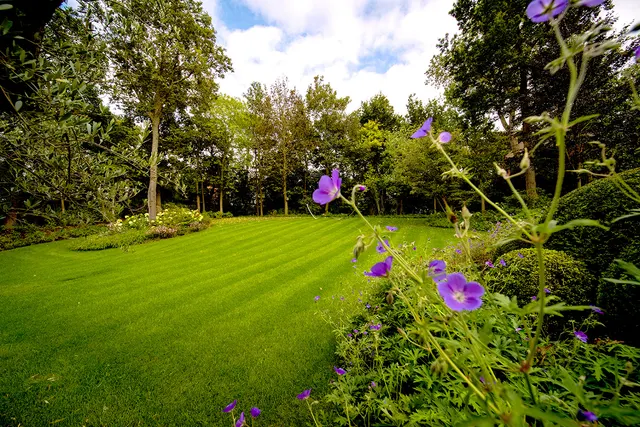
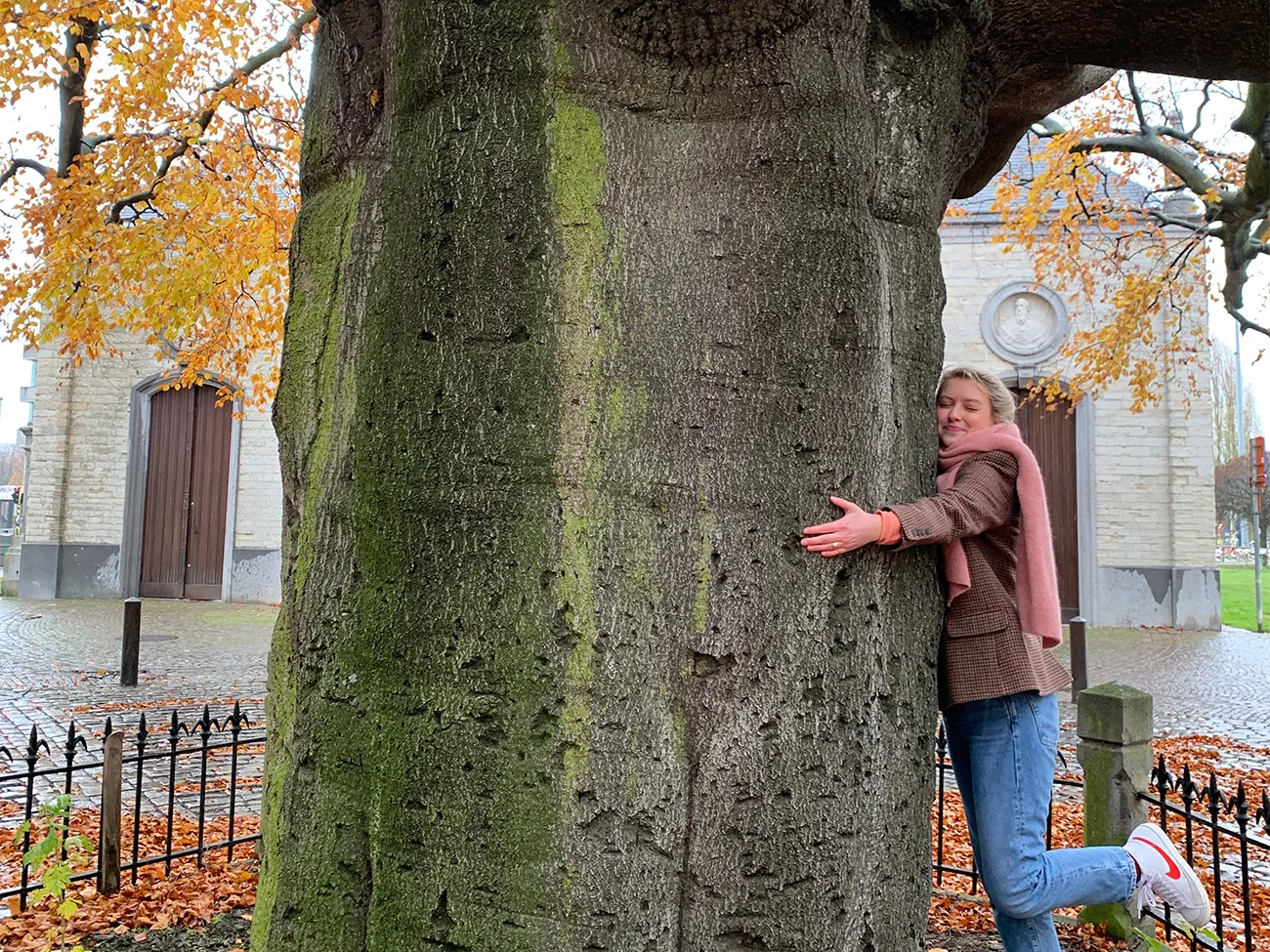
Antwerp’s municipal parks department currently manages around 660 hectares of green space. This includes 590 hectares of grass, 13 hectares of planted areas, 57 hectares of shrubs and 108,500 trees. The latter, among other things, receive a great deal of attention under Van Doesburg. “Trees provide cooling and improve air quality. That is crucial in a city like Antwerp. That is why, in recent years, we have given the Antwerp Tree Plan a thorough update and created a renewed framework for sustainable tree management.”
Carefully considered variety, green volume, preventing damage, and identifying and creating underground growing space are key priorities in tree management, as is making the most of future trees.
“This means giving our trees enough space and protection both above and below ground so they can grow into monumental specimens, up to 120 years old. We provide underground tree pits, supply additional nutrients and give young trees extra water during the first two years after planting.”
“It also requires attention from other policy areas. When installing utility lines, for example, we will route them around a tree rather than fell it to run the lines underneath.”
Green, blue and grey
Under the Antwerp Tree Plan, every opportunity to plant extra trees is taken.
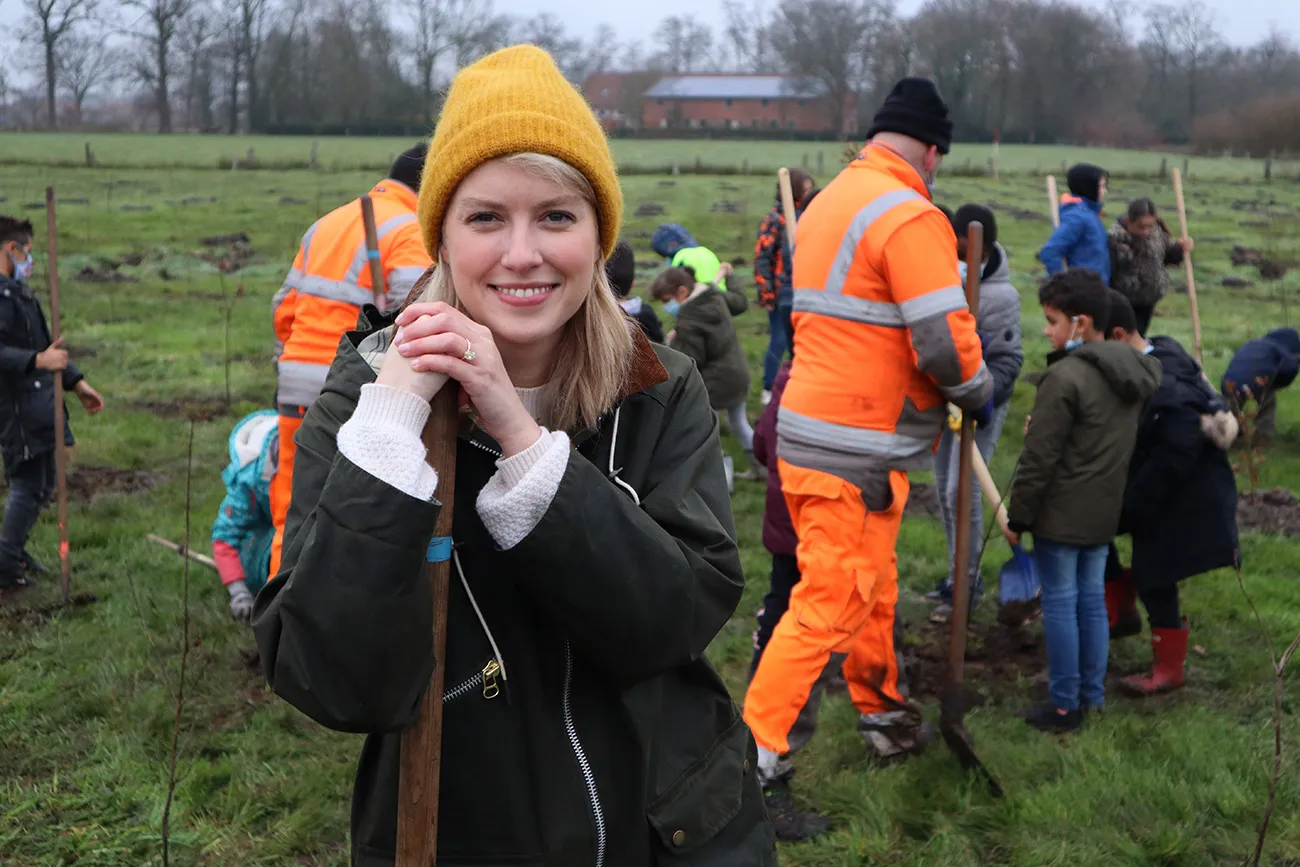
“In December, for example, I had the pleasure of planting the first trees at Monnikenbos in Berendrecht,” Van Doesburg recalls. “There, we were able to double the afforestation area to around three hectares. But that cannot be taken for granted. Open space is scarce in the urban environment, and 90% of all Antwerp land designated as green space is already green. If we want to make the city greener still, we have to be creative.”
For example, at the Den Bell site, the large office building housing Antwerp’s administration in the Brederode district, no less than 30% of the existing hard surface is being removed.
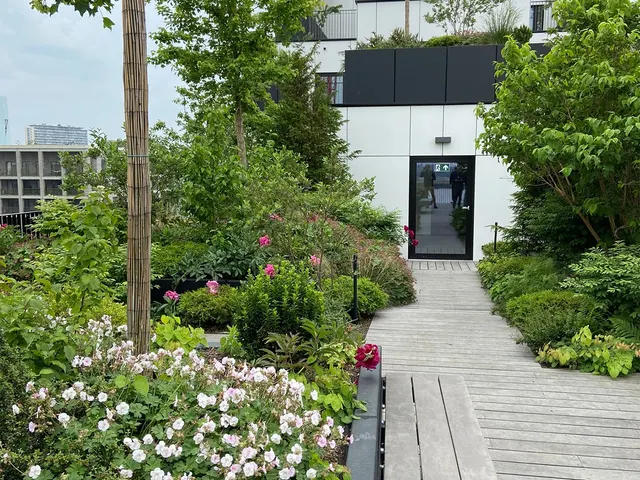
“The district is highly vulnerable to flooding and heat stress. Greening Den Bell will help us tackle both. Existing trees will have more room to grow, while new trees, shrubs and climbing plants will provide extra shade. Both the courtyard and the nearly 3,000 m2 of green roofs have been designed to capture and reuse as much rainwater as possible. We are also adding 667 m2 of green façades.”
But it does not always have to be a major flagship project. Van Doesburg also points to the garden streets, which are on a somewhat smaller scale.
“By replacing hard surfaces locally with planting beds, small lawns, trees, and herb and vegetable gardens, we can make our streets greener and bluer, minimise flooding and heat stress, and improve quality of life and social interaction. The first garden street was created in October 2021; by 2024, around twenty will be spread across the city.”
Question about this story? Ask your question
Keep following this
Get an email when a new story is published. No account needed.
- ThemeGreen space for everyone
- SubjectIn conversation