Making surfaces more permeable with unbound materials
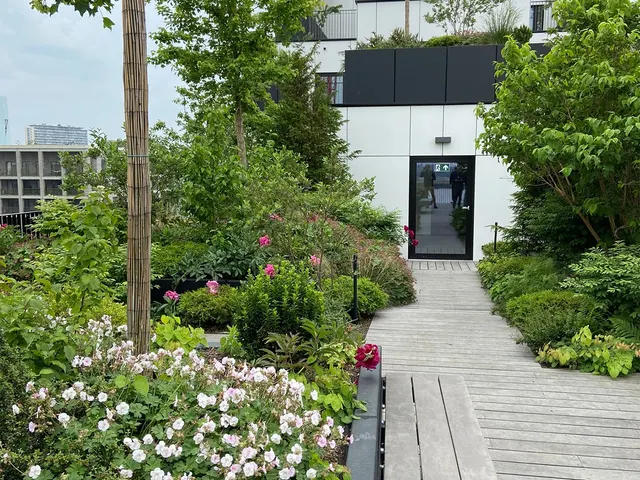
Making surfaces more permeable and adding more greenery are a fantastic combination. Many people are in no doubt that adding greenery can play an important role in climate adaptation. Making surfaces more permeable, in other words allowing rainwater to infiltrate the soil, plays a role too. Rainwater seeps through the soil and replenishes groundwater reserves. While greenery cools and purifies, permeable surfaces increase infiltration capacity. Together, they reduce the risk of flooding.
Climate adaptation is a well-chosen term, but everyone gives it a different meaning. Sometimes I feel we are talking at cross purposes. As far as I’m concerned, we shouldn’t always try to pin down a definition: climate adaptation means adjusting to climate change. There’s nothing you can do about that in the short term, but it does create opportunities for different approaches and solutions.
We need to manage climate change, including heavier downpours and longer periods of drought. Ideally, we should do so where it belongs: in the ground. Here and there, we have a tendency to pump water away as quickly as possible, and not just to keep our feet dry. The result is that the soil dries out. I think too much rainwater unnecessarily ends up in the sewer.
‘Change the world, start with yourself.’ I’ve made sure that water in my garden drains into the soil. My neighbours, on the other hand, send it straight to the sewer, so that water is lost to the garden. I’m talking about simple little gardens, just a few square metres each. There are, of course, several hundred thousand of them across the country. That adds up.
Late last year, I came across the term ‘making surfaces more permeable’ in Antwerp: a wonderful way of putting it. One way to achieve this is to install an unbound surface, preferably HanseGrand, of course, for a cycle or walking path. Almost every producer of unbound surfacing boasts about its water-permeable properties, but in practice, they often fall well short. This can lead clients to make the wrong choice without realising it.
Fortunately, I’m also seeing a shift among policymakers when it comes to laying out green spaces and parks: instead of asphalt, concrete or paving, they are creating paths for walking and cycling, or parking bays, using HanseGrand. The water finds its way into the soil. I consider that climate-adaptive action too.
Returning water to the ground keeps the soil alive. Sometimes asphalt is necessary, with all the consequences that entails: no bugs or micro-organisms underneath, and dead bugs on top on a hot summer’s day. Salamanders, frogs and little snakes often die on the scorching, soft asphalt. An unbound surface offers a solution: 100% natural, permeable and cooler.
Unfortunately, it is not yet suitable for intensive use on main roads, for example. But when it comes to coming up with solutions, people remain inventive: there are plenty of ideas, now we just need enough cooperation and pilot projects.
Fortunately, it’s no longer just about ‘having to’. I’ve noticed that we are also starting to think differently about what we ‘want’ as a society. That way, we can continue to enjoy things sustainably for a long time to come.
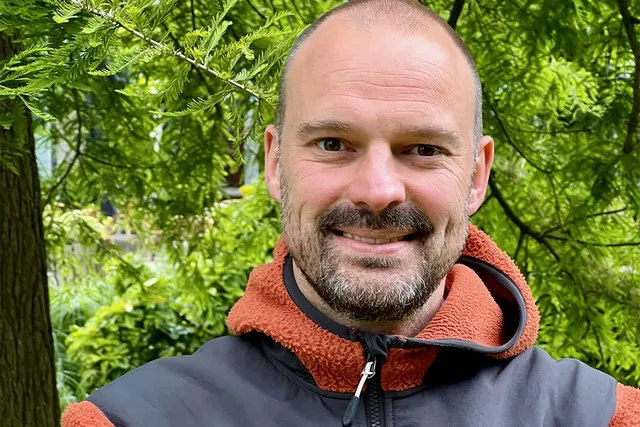
Onno Berens
Co-owner of Maccrox/HanseGrand BeNelux
Question about this story? Ask your question
Keep following this
Get an email when a new story is published. No account needed.
- ThemeHealthy soil and smart water management
- SubjectIn conversation