Buyer Group for Green Space Management: stronger together for biodiversity-friendly green space management
Text Kris VandekerckhoveImage Arjan Boekel
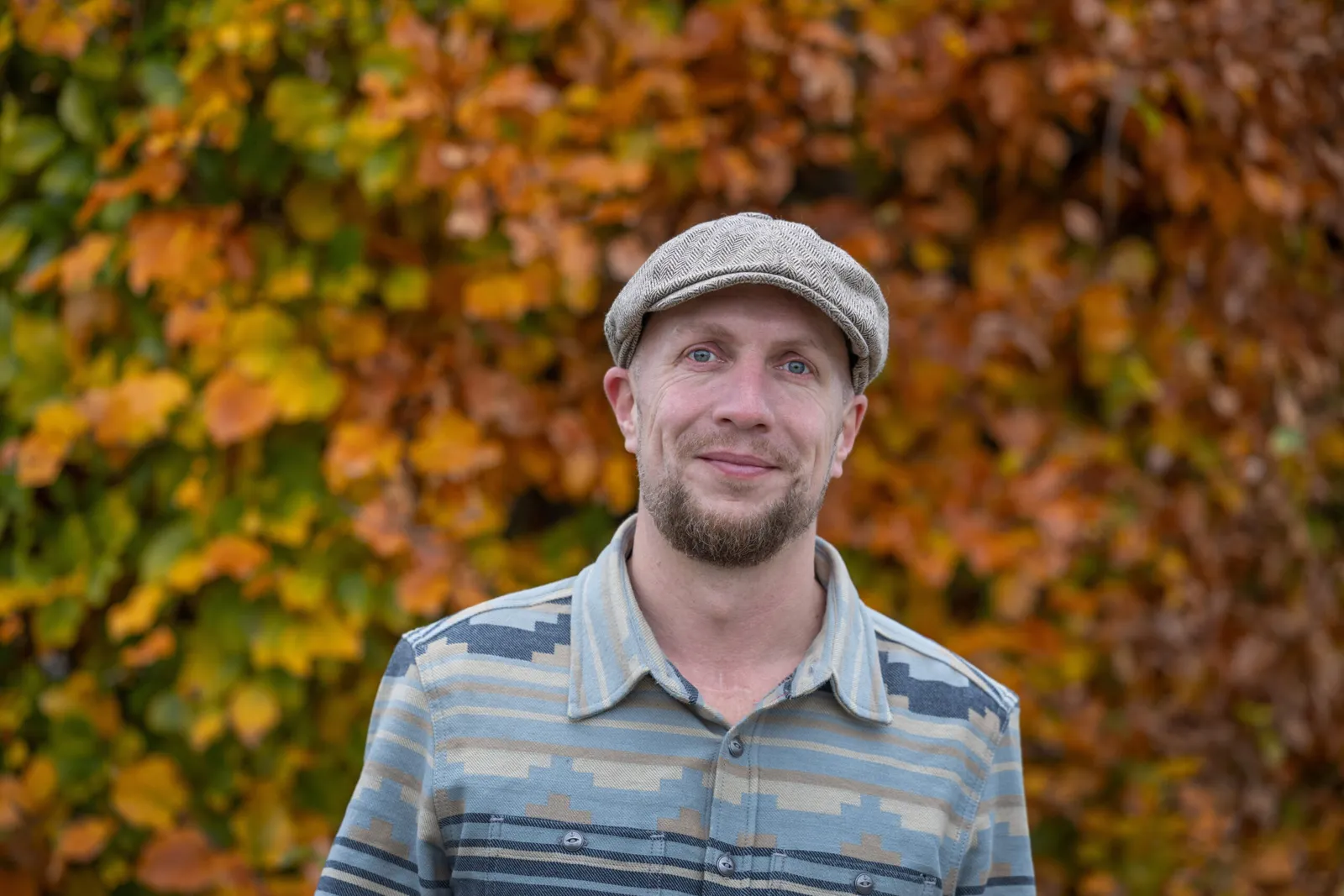
How can public sector clients really accelerate biodiversity and circular green space management? According to Maik Knuiman, strategic adviser and lead of the Buyer Group for Green Space Management in the Netherlands, it starts with collaboration. Pooling resources, aligning ambitions and giving the market a clear, unified direction.
“You won’t get there with standalone projects,” says Maik Knuiman of the Buyer Group for Green Space Management. “Innovations come to a standstill when the market faces fragmented requirements. One client wants to go a long way on sustainability, while another sets hardly any requirements. That makes it difficult for businesses to respond. By bringing these requirements together in a procurement group, you create clarity and greater impact.”
From fragmentation to greater impact
The Buyer Group for Green Space Management is supported by the Ministry of Agriculture, Fisheries, Food Security and Nature, the Ministry of Infrastructure and Water Management, and PIANOo, the Dutch government’s Public Procurement Expertise Centre. Public sector clients participate on a voluntary basis, ranging from Rijkswaterstaat and the Central Government Real Estate Agency to provinces, municipalities and water authorities.
The starting point is nature restoration through ecological planting and green space management. In joint knowledge-sharing sessions, participants work towards a shared market vision and procurement strategy, which clients then apply in their tenders. This leads to award criteria, requirements and strategies that go beyond current practice.
What is a Buyer Group?
A Buyer Group, or procurement group, brings together public sector clients such as municipalities, provinces, ministries and water authorities around a shared theme. Common requirements, knowledge and challenges are central to the group. In the Netherlands, similar collaborations cover a range of topics, from circular asphalt and corporate clothing to material flows, green space management and biodiversity.
The principle behind a Buyer Group is simple: participants jointly develop a market vision and procurement strategy, which they then translate into their tenders. This gives the market clarity, delivers greater economies of scale and reduces fragmentation.
Voluntary
Joint procurement is not an end in itself. The strength lies in bringing stakeholders together and sharing knowledge and experience from ongoing and completed projects. “You can’t get there without involving market players. They are actively engaged throughout a Buyer Group’s term. Opportunities and challenges are mapped out, and the market vision and procurement strategy are tested for feasibility. This gives us a clear picture of the obstacles innovative and sustainable businesses face in tenders today,” Knuiman explains.
“Restoring biodiversity through green space management takes time. You can’t change course overnight, if only because plants and trees need time to grow. Soil quality also plays a major role, as does the fact that ecology is a complex system with no quick ‘one-fix’ solution. But by gaining a better understanding of each other’s fields, we can develop a shared view of the right approach,” he continues.
‘Superbloei’ as a model of collaboration
Knuiman has more than a vision to show for his work: he can point to results. For example, he led the circular demolition of the old provincial government building in Gelderland. Rather than simply being demolished, the building was carefully dismantled, with materials reused one-to-one. The project won awards and set a new benchmark for sustainable demolition.
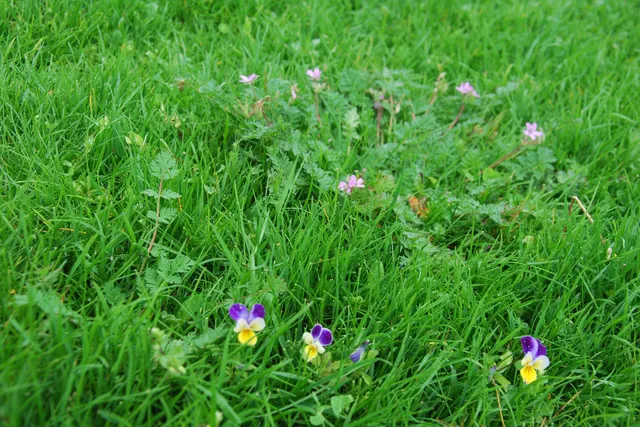
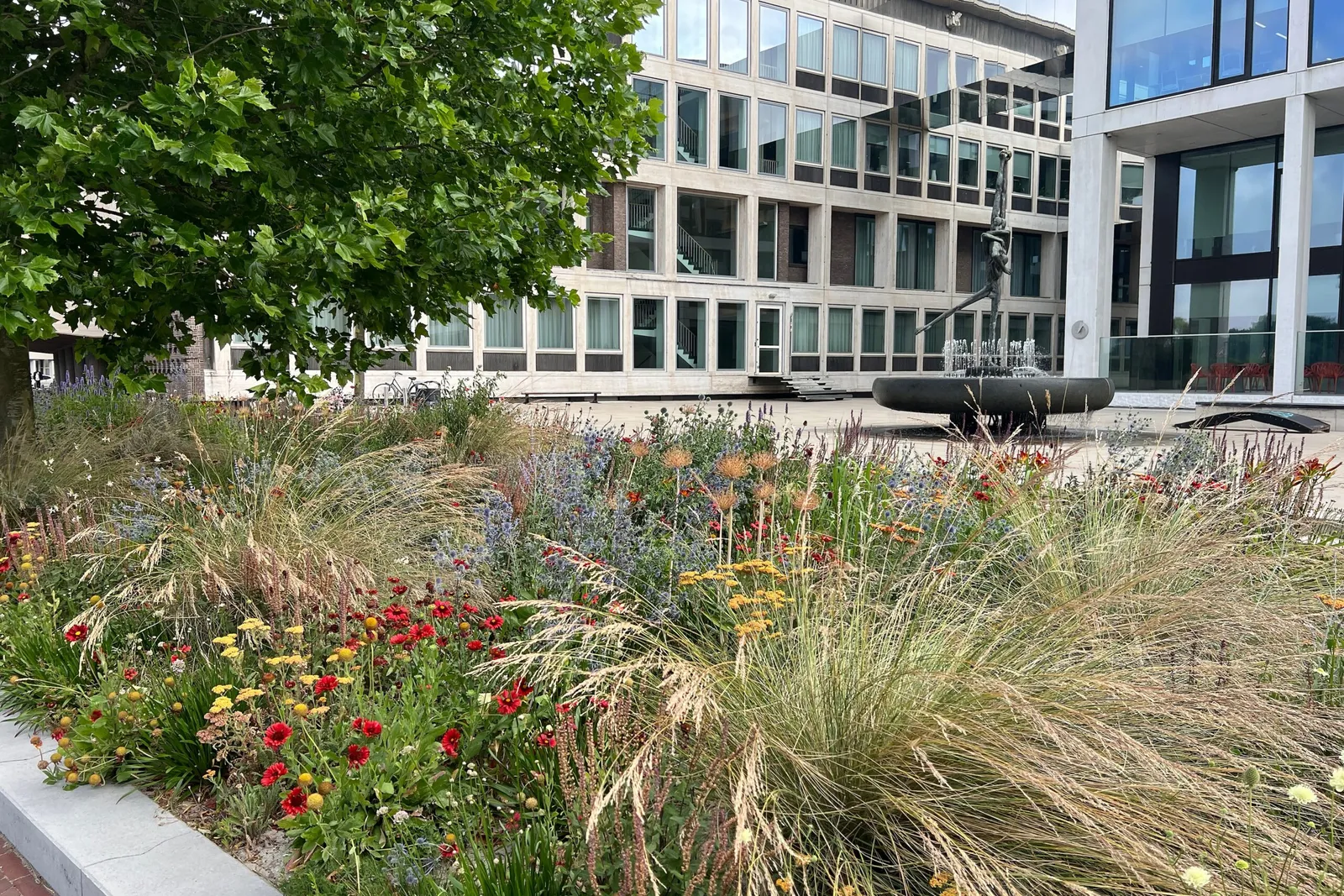
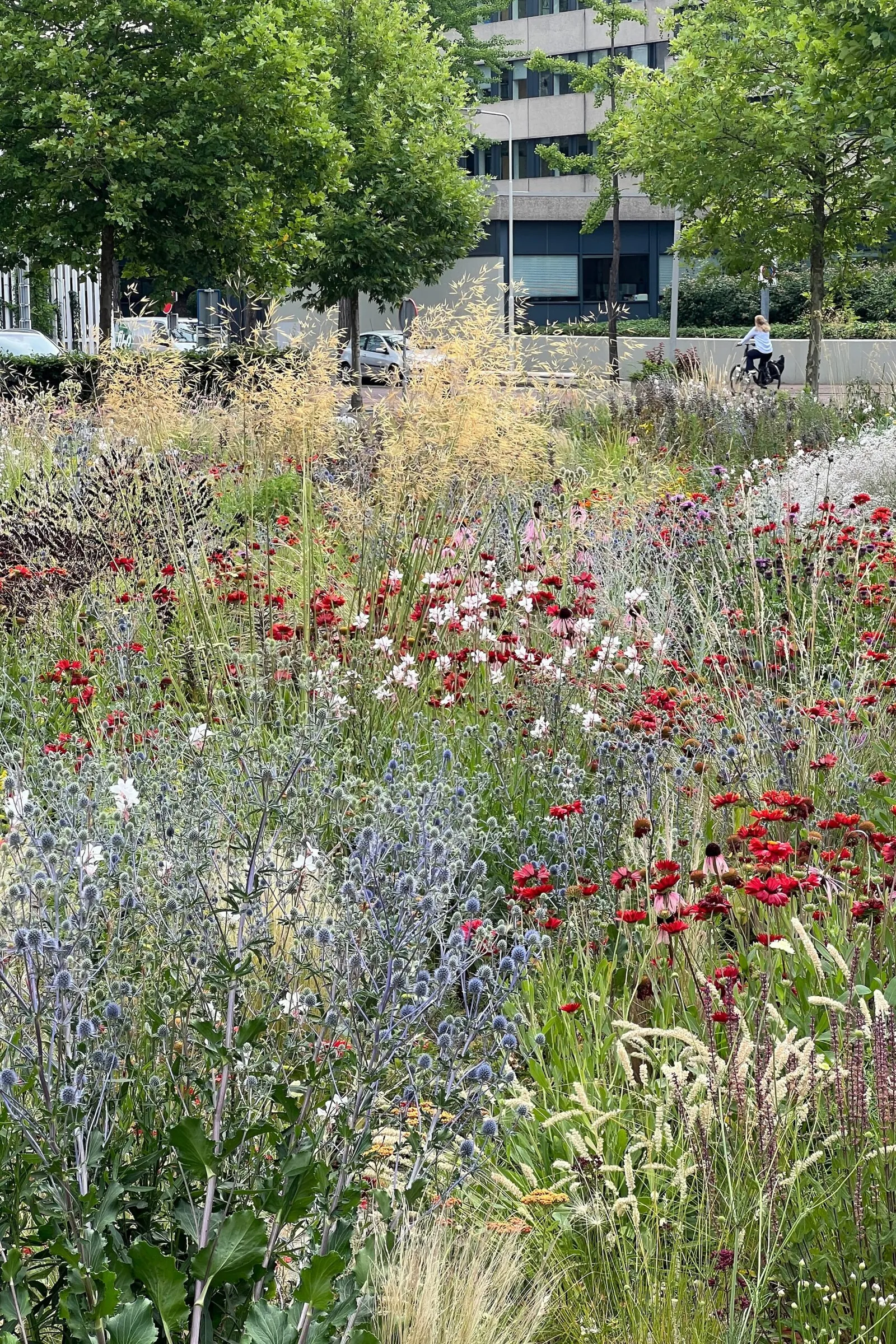
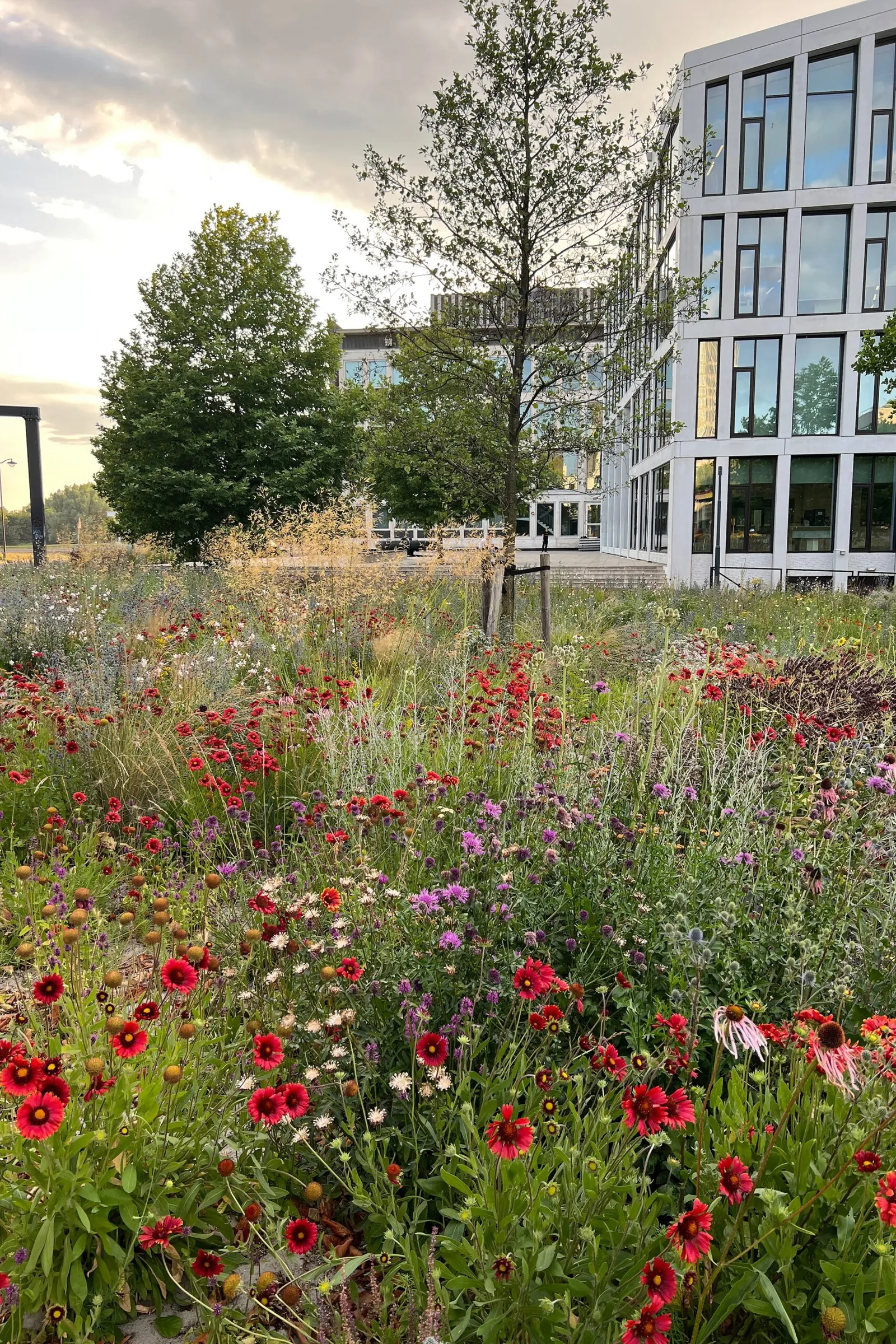
Next came Superbloei in Arnhem, a temporary greening experiment that grew into an ecological showcase project. Collaboration and a willingness to experiment created a sea of flowers that boosted biodiversity while also delivering social benefits. “This isn’t just green space maintenance, it’s ecological expertise,” Knuiman emphasises. Projects like these show what is possible when stakeholders genuinely work together.
Challenges and opportunities
There are still barriers, however. Knuiman says there is still a widespread assumption that sustainability inevitably costs more. “It’s a classic chicken-and-egg situation. A standalone sustainable project does indeed seem more expensive than the familiar standard, which has been costed and optimised over many years. But once you pool demand and procure at scale, it can become cheaper and more effective.”
The political context also plays a part. Green cities such as Amsterdam generally have more room to experiment, while national governments remain more cautious. “You need both believers and sceptics to reach a tipping point. Once around a quarter of people are on board, real momentum builds.”
Relevance for Belgium
The Buyer Group model is still relatively unfamiliar in Belgium, but Knuiman believes it is perfectly suited to the country. He previously worked here and saw how complex hierarchy and fragmentation can be. But he sees opportunities above all. “Every transition follows the same pattern: everyone pioneers, wants to reinvent the wheel and showcase their own project. But at a certain point, harmonisation is needed. A Buyer Group brings stakeholders closer to practical realities and builds shared insight and understanding. It can work just as well in Belgium.”
‘Coalition of the willing’
According to Knuiman, the strength of a Buyer Group lies in voluntary participation: organisations make a conscious choice to get involved. It is a true ‘coalition of the willing’. “That’s where its success lies. It’s not an imposed framework, but a movement driven by practical experience,” he says.
The Dutch experience offers an inspiring perspective for Belgian clients. Bringing public authorities and market players together in a Buyer Group can deliver not only innovative projects, but also scale, clarity and mutual trust.
Photo credits: Superbloei Arnhem
Landscape design: LOLA Landscape Architects
Planting design: De Bloeimeesters, Arjan Boekel
Client: Municipality of Arnhem, Province of Gelderland
Question about this story? Ask your question
Keep following this
Get an email when a new story is published. No account needed.
- ThemeGreen space for everyone
- SubjectGarden maintenance