The benefits of a biodiverse lawn at a glance
Text Kris VandekerckhoveImage Koen Verhelst
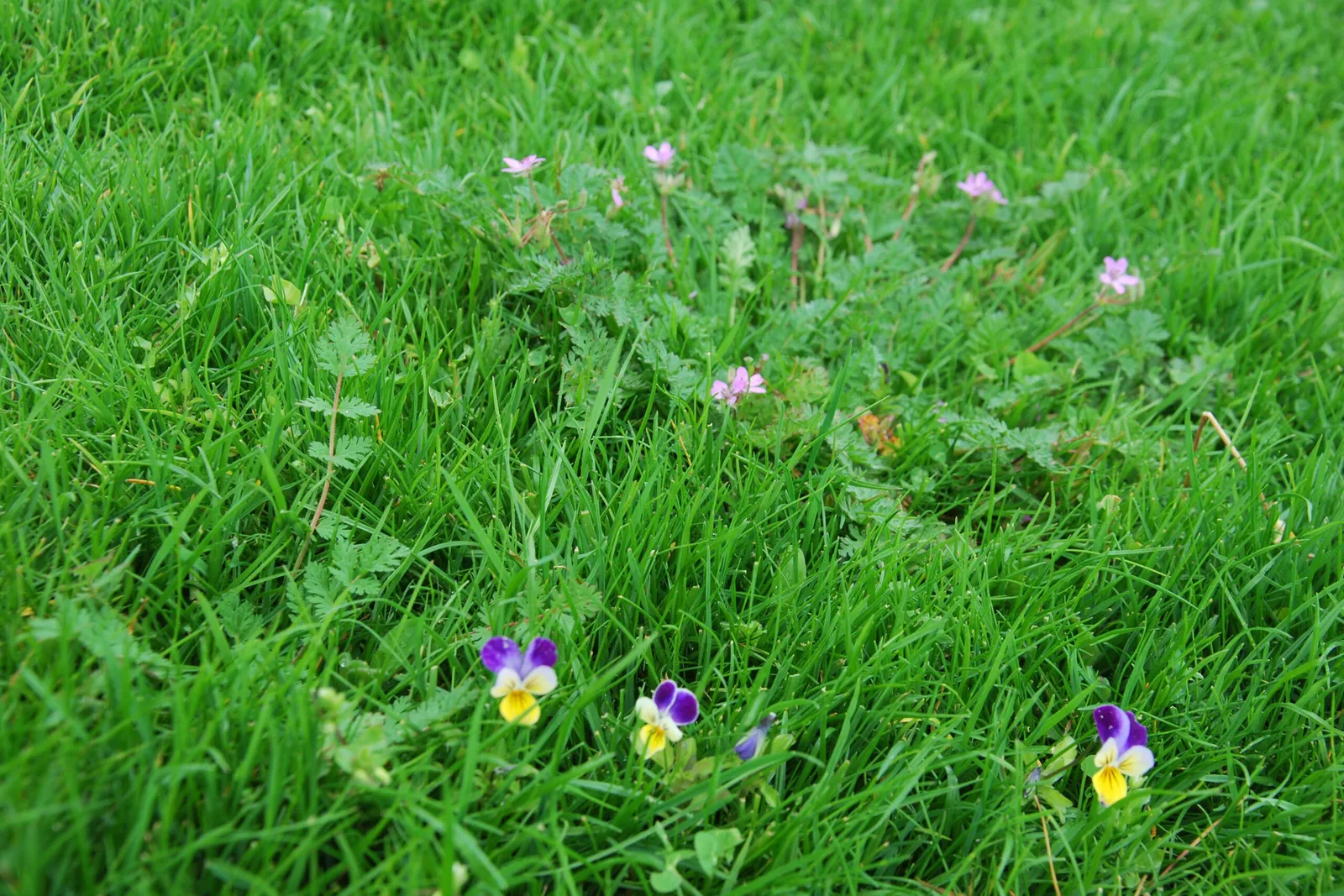
More and more people are saying goodbye to the classic, closely mown lawn and consciously choosing a biodiverse alternative. This trend has been evident in private gardens for some time, and is now spreading to parks, public green spaces and even golf courses. What was often labelled ‘untidy’ in the past is now increasingly valued for its ecological benefits.
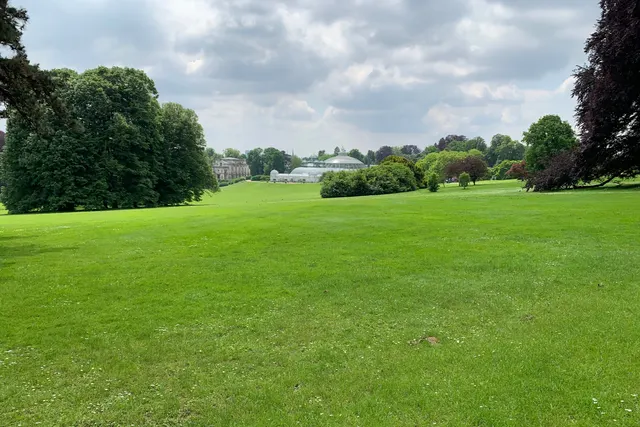
A traditional lawn looks well kept, but establishing and maintaining it often comes with a considerable environmental cost. Intensive mowing, watering and fertilising, sometimes alongside the use of other products, can lead to soil degradation, water pollution and a decline in biodiversity. A biodiverse lawn offers a more sustainable alternative.
More life, less input
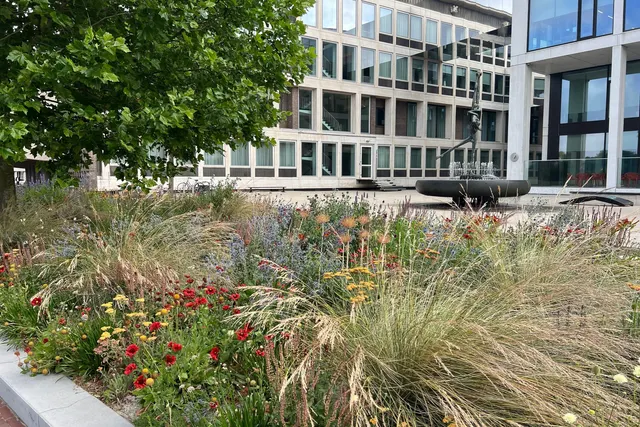
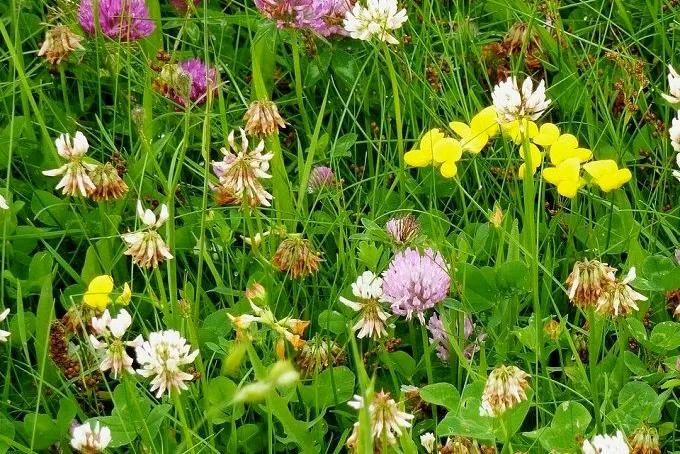
A biodiverse lawn supports considerably more plant and animal species than a conventional grass sward. A mix of grasses, complemented by flowering herbs such as clover, creates a habitat providing food, shelter and nesting sites for birds, hedgehogs, butterflies and all kinds of pollinating insects.
This type of lawn also needs less maintenance. Fewer mowing sessions, lower water use and less need for fertilisers reduce costs and shrink the ecological footprint. As mainly native species adapted to local conditions are used, little watering is needed. And mowing less often with petrol-powered machinery also means lower CO2 emissions and less air pollution.
Healthier soil and climate benefits
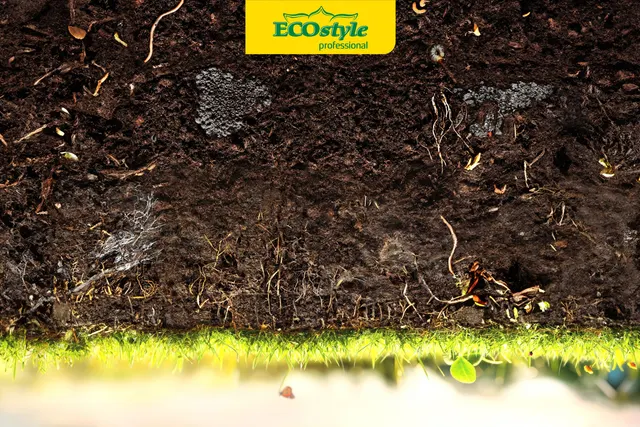
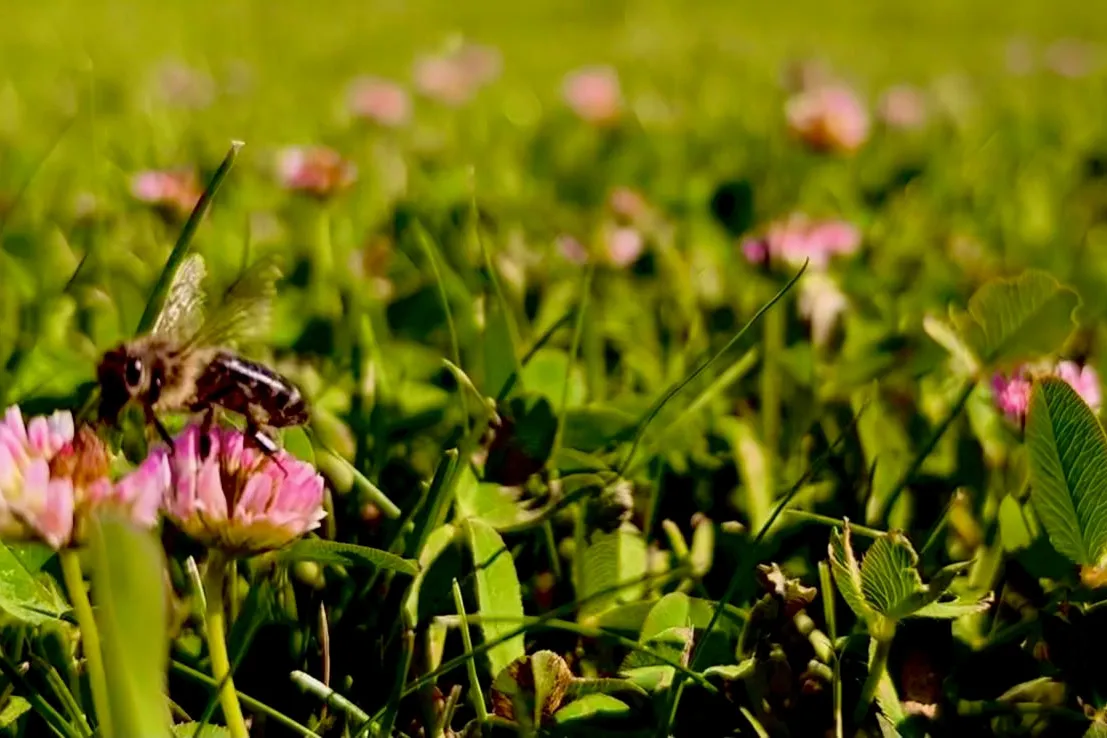
The benefits extend beyond biodiversity. A varied mix of plants encourages soil life and, thanks to different rooting depths, improves soil structure, water infiltration and nutrient exchange. Native grasses and herbs with strong root systems also help prevent erosion, particularly on slopes and open ground.
A biodiverse lawn also plays a role in carbon storage. Deep-rooting flowers and herbs store carbon in the soil over the long term, making the lawn a natural carbon sink and helping to combat climate change. Finally, a thoughtfully designed biodiverse garden enhances the appearance and value of homes and business sites, while green spaces have a positive effect on stress, mood and concentration.
Establishment and management
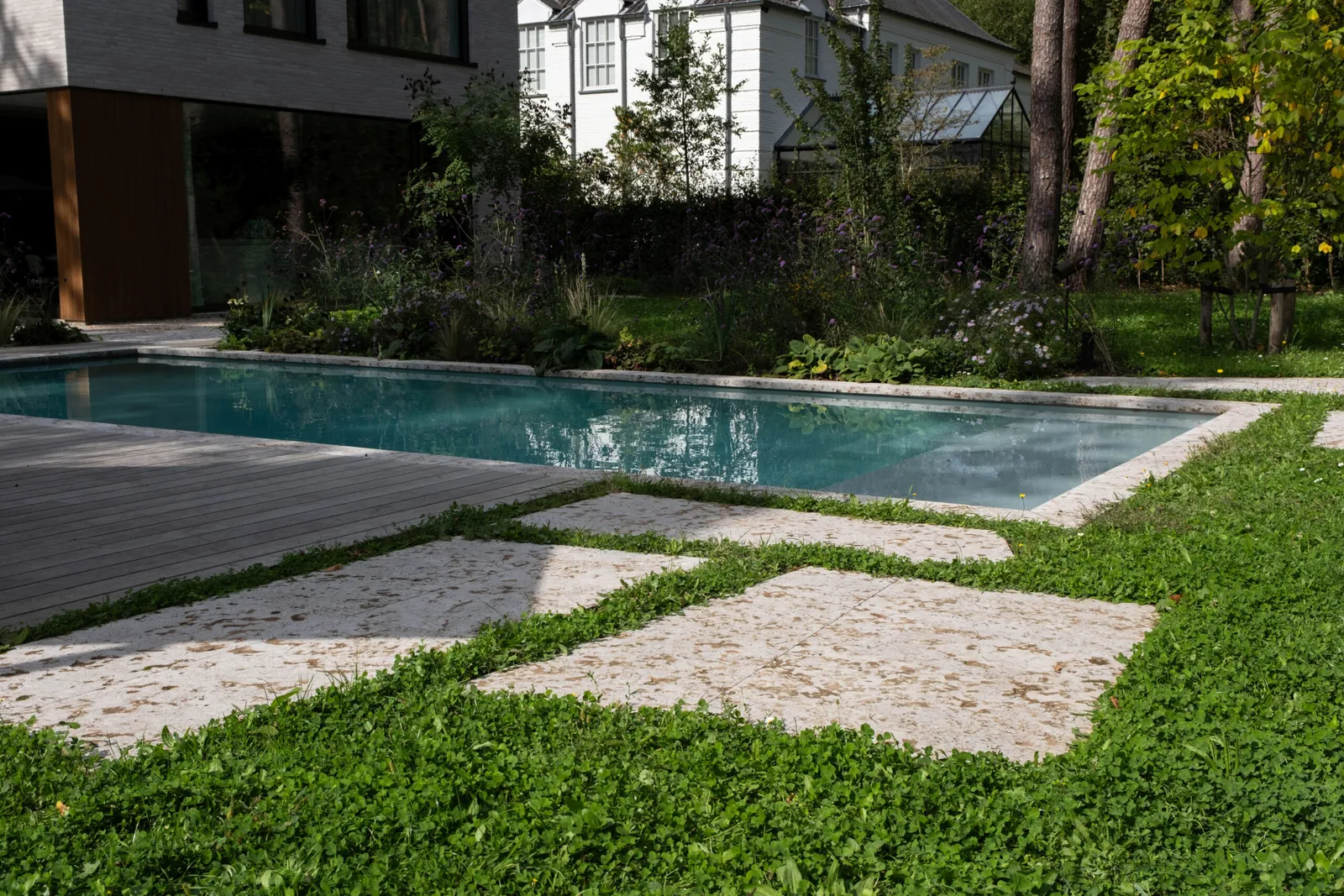
A biodiverse lawn can be established in two ways: by converting an existing grass sward or by sowing seed on bare soil. In the first case, it is often enough to mow and fertilise less, giving herbs such as daisies, clover and dandelions the chance to appear naturally. To speed up the process, mow the grass short in autumn, scarify it and sow a suitable wildflower mix, without applying additional fertiliser.
When sowing on bare soil, autumn is preferable, with early spring as a good alternative. Key considerations include minimising soil cultivation, using a stale seedbed and following the recommended sowing rates (approximately 2 g/m² on dry soils and 1.5 g/m² on heavier soils). Sowing more than recommended mainly gives fast-germinating species an advantage. They take up the available space at the expense of species that need more time to germinate, resulting in a less biodiverse lawn.
Maintenance is limited: mow every two to three weeks at a height of 7 to 8 cm, remove the cuttings and water only during establishment or in extreme drought. Mulching is not recommended, as it enriches the soil and allows grasses to become dominant again.
By choosing a biodiverse lawn for gardens, parks or golf courses, you as a green-space professional can actively contribute to a resilient ecosystem and more sustainable land use.
Question about this story? Ask your question
Keep following this
Get an email when a new story is published. No account needed.
- ThemeGreen space for everyone
- SubjectGarden maintenance