Fert in Time Europe: “Preventive management is the key to sustainable green space management”
Text Niels RouvroisImage Fert in Time Europe
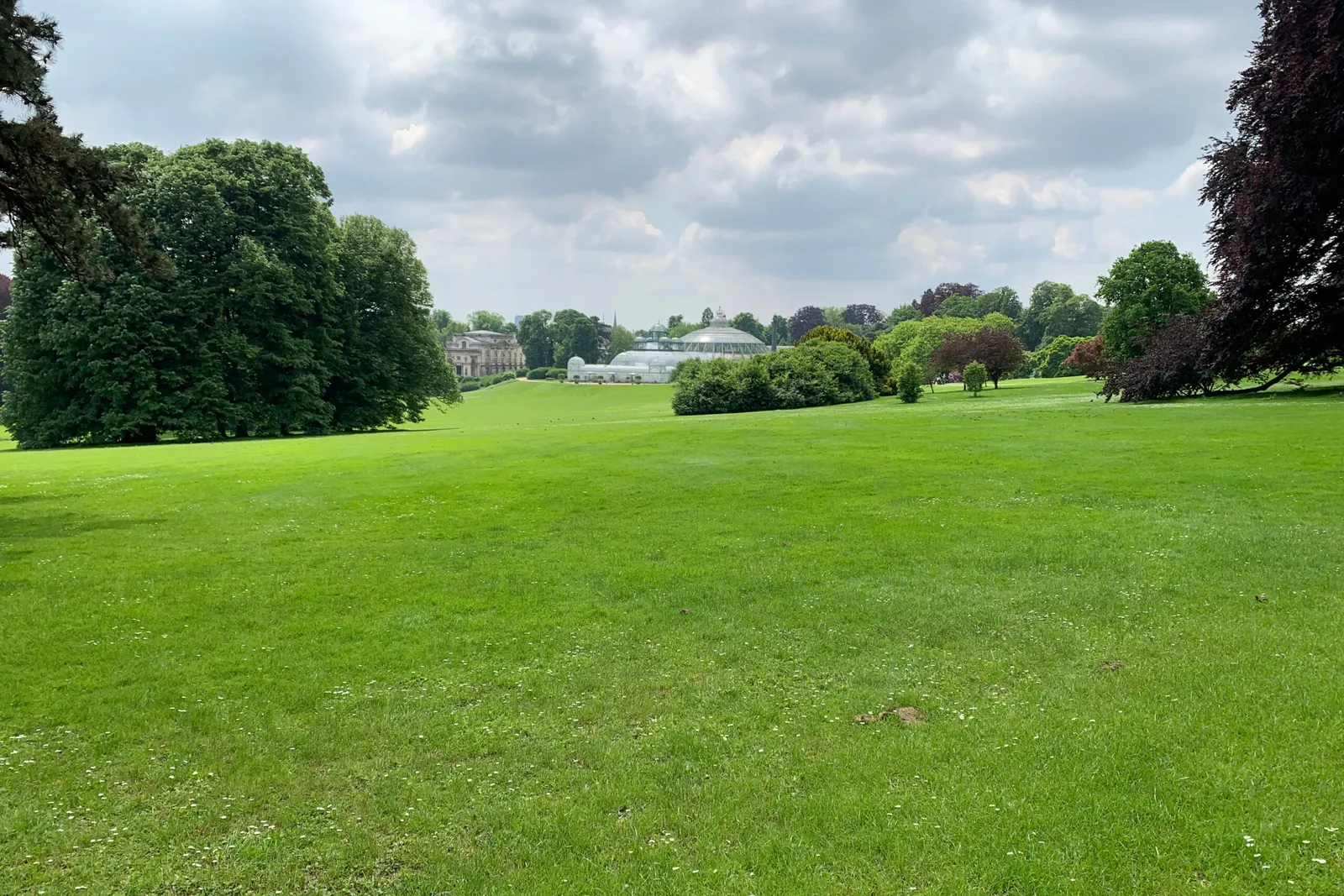
Football pitches, golf courses and public green spaces require thoughtful management. Fert in Time Europe, an international player in innovative soil nutrition products, is following this evolution closely. According to CEO and co-founder Philippe Debougnoux, there is still plenty of room for improvement, especially in the public sector. “Making the right diagnosis and using the right products at the right time are essential steps that benefit both the environment and the budgets of cities and municipalities”, he says.
Fert in Time Europe develops, manufactures and distributes products for soil management and plant nutrition. Its formulations are based on unique molecules that only Fert in Time has access to. The range comprises five complementary groups: granular fertilisers, liquid fertilisers, biostimulants, soil improvers and wetting agents.
Green spaces in the public realm
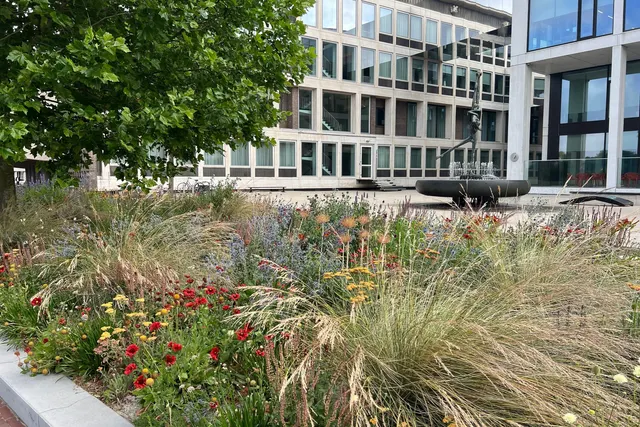
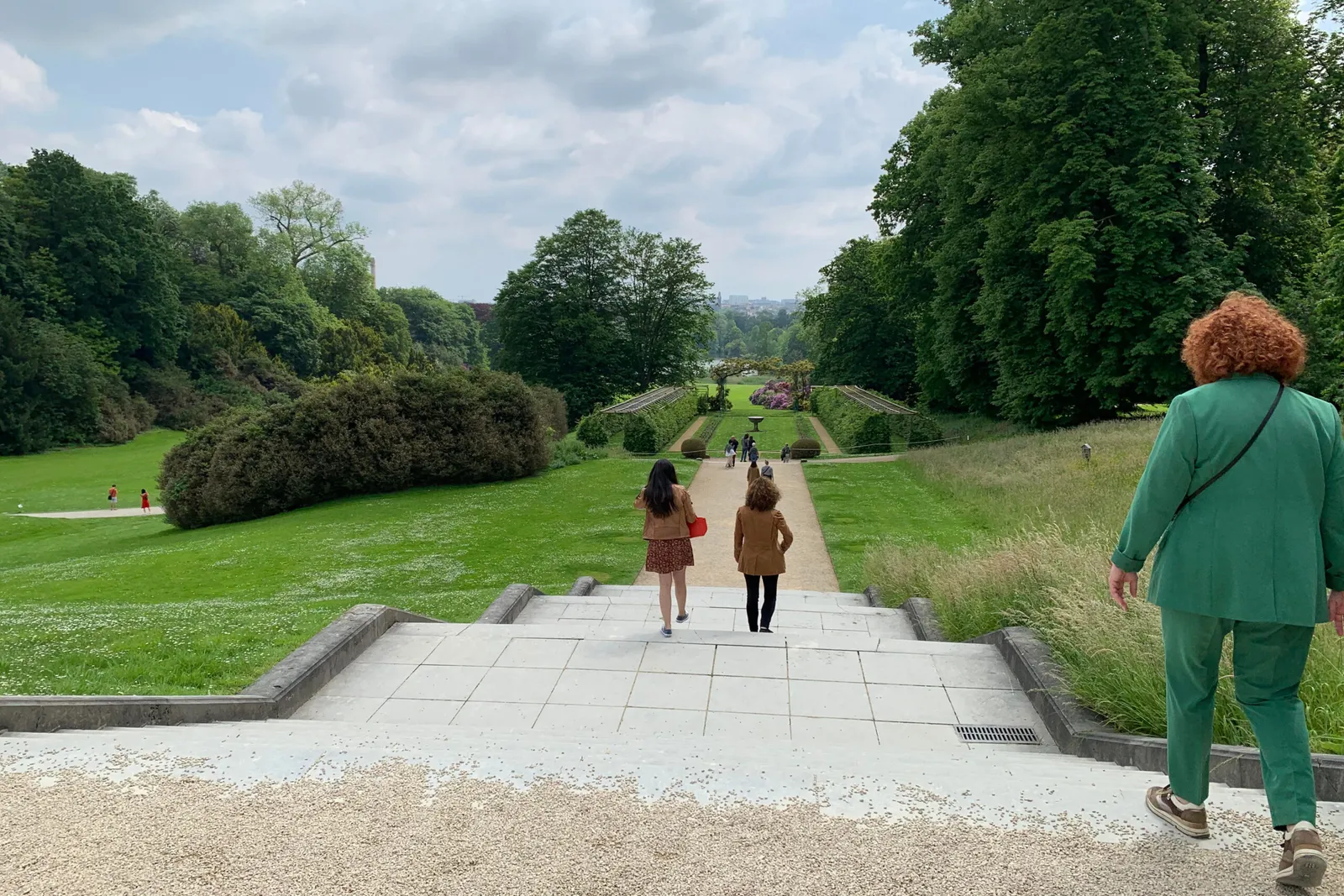
Fert in Time’s largest market is the football and golf sector, but there is also growing attention to high-quality green spaces in the public realm. “More extreme weather is making things more difficult”, says CEO Philippe Debougnoux. “The Blue & Green Deal sets out rules that are well intentioned, but challenging. We will need to work much more preventively and less reactively. I fully support that, with a greater focus on vitamins, minerals and natural hormones. Research also shows that green spaces in cities can lower temperatures by as much as five degrees in hot weather.”
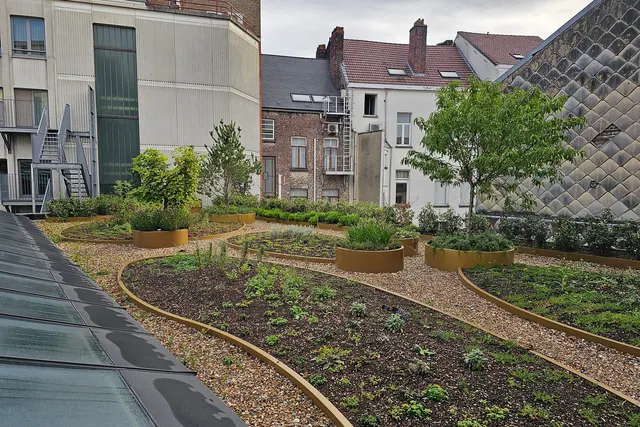
More green space also means more maintenance. And that is where things often go wrong, according to Debougnoux. “We need to think more carefully about how we integrate green spaces, manage rainwater and limit heat stress. I still see the wrong decisions being made far too often. Employees work fixed hours, but green spaces do not follow a schedule. You have to act when it is needed. Some municipalities work with external experts, which is a positive development. However, even those companies cannot always respond immediately.”
A realistic approach to CO2
It all starts with the right diagnosis. “That is very important”, stresses Debougnoux. “A wrong diagnosis leads to the wrong products and sometimes even makes the situation worse.” In recent years, the European ban on pesticides has expanded. “I am not opposed to that”, he says. “But I do not believe in zero use. Sometimes ‘medication’ is simply necessary, for people and plants alike. A complete ban often leads to more unwanted green growth being burned off, which in turn increases CO2 emissions.”
Costs and benefits
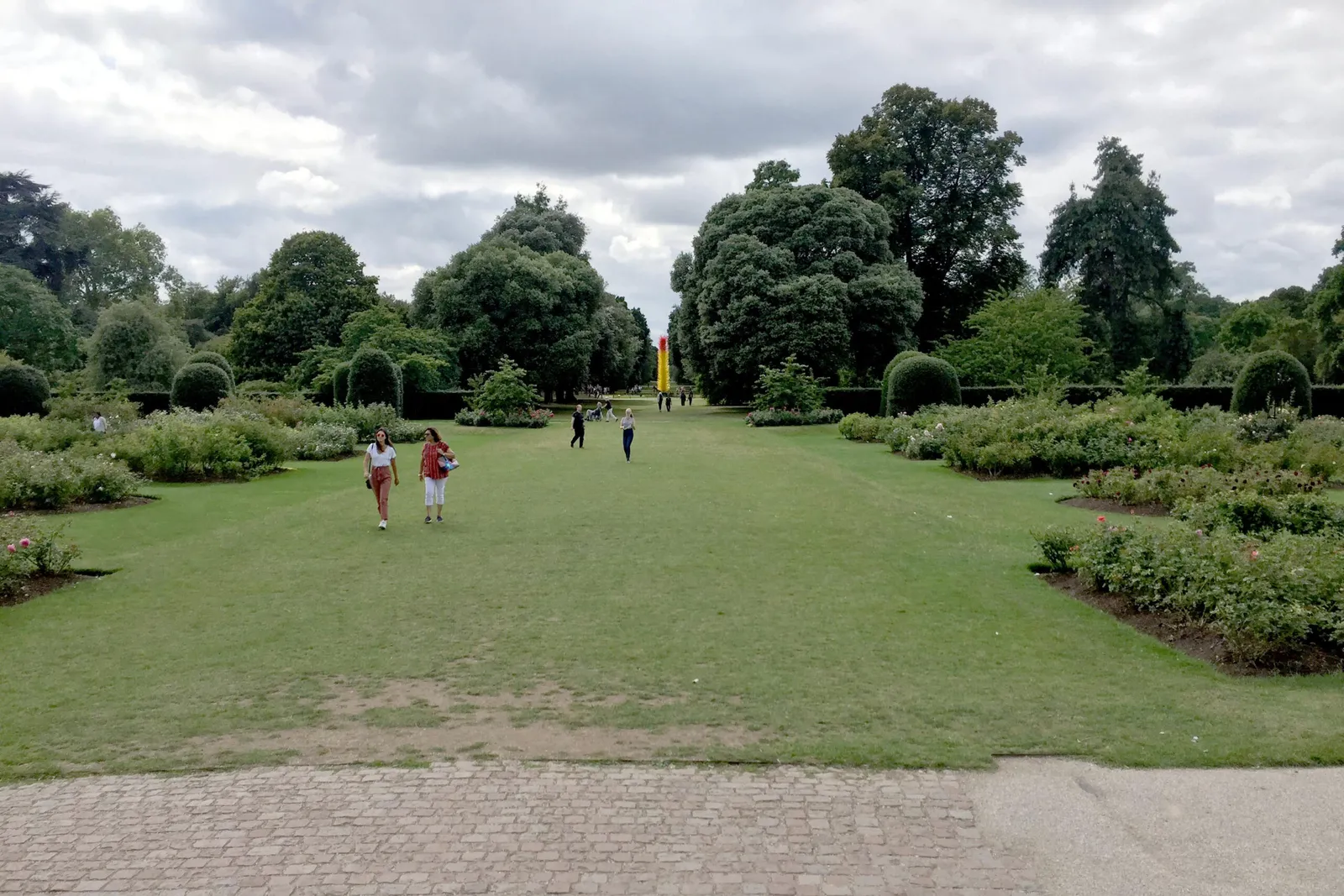
That brings Philippe to an important point: the balance between costs and benefits, both financially and ecologically. “For me, sustainability is above all about lasting over time”, he says. “Businesses are increasingly thinking along those lines, but short-term thinking still too often prevails in local authorities. Municipalities can make significant savings by making the right diagnoses and using the right products at the right time. This helps avoid long-term maintenance costs caused by damage or poor management.”
He gives the example of municipal sports fields. “The aim is to have healthy turf that grows as little as possible. That substantially reduces mowing, and therefore also the CO2 emissions from machinery. Since Fert in Time Europe was founded, we have shown that this approach works: fewer working hours, less wear and tear and lower emissions, or lower energy consumption when using electric machinery.”
Well-considered green space management has many benefits, concludes Debougnoux. “Nevertheless, I still often feel that I am talking to a brick wall when I speak to public authorities. But I can see that mindsets are slowly beginning to change.”
Question about this story? Ask your question
Keep following this
Get an email when a new story is published. No account needed.
- ThemeGreen space for everyone
- SubjectGarden maintenance