Award-winning landscape features in Diksmuide
“Sometimes we are still surprised by the nature on our doorstep”
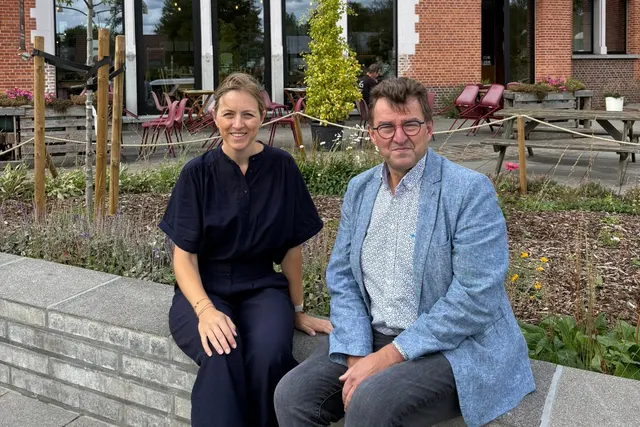
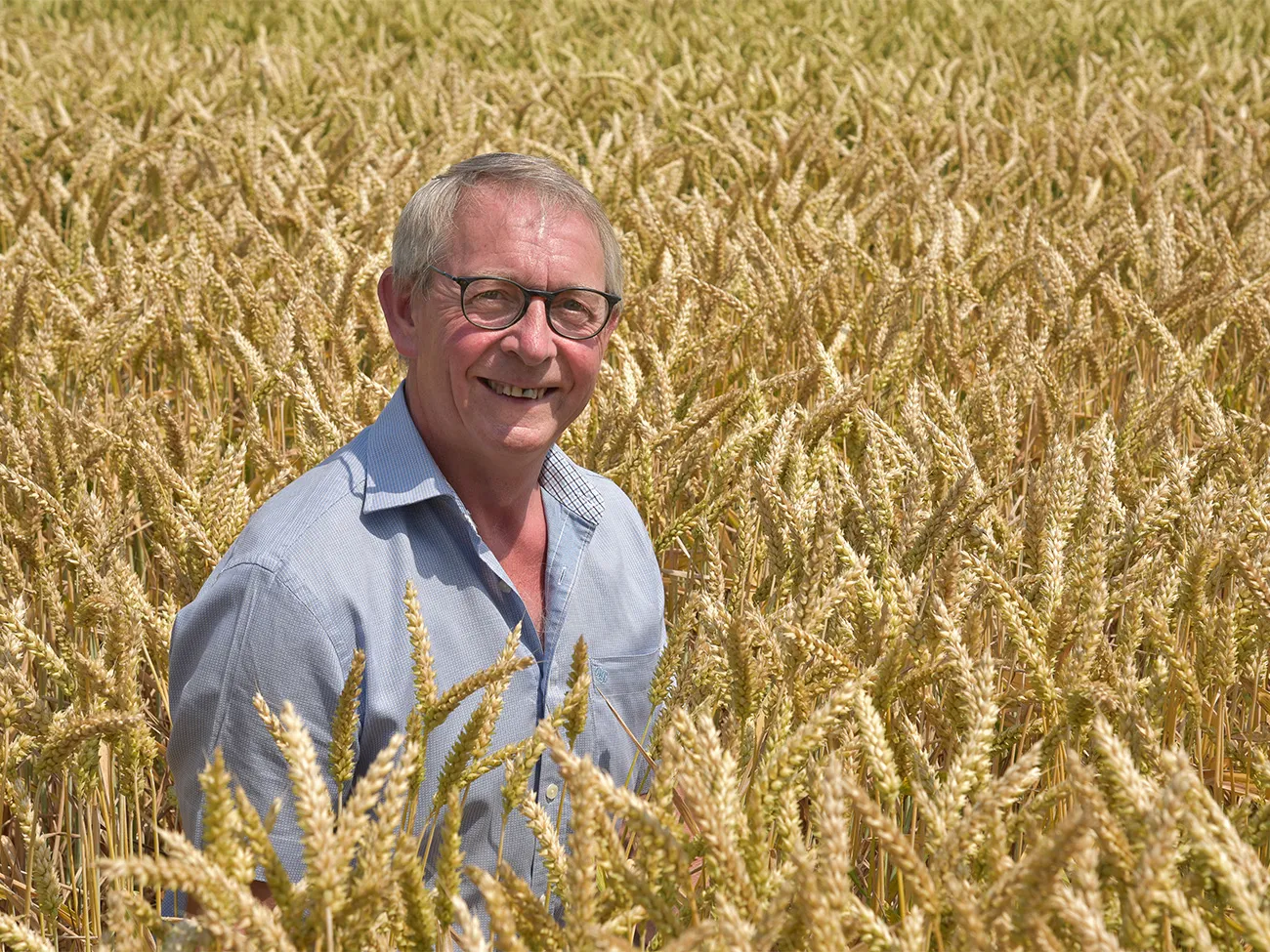
In each edition of our City in the Spotlight feature, we hear from a city or municipal authority and ask about the initiatives it is taking to strengthen nature management, green spaces and biodiversity. As Belgium’s representative in the international Entente Florale Europe 2022 competition, and recipient of a gold medal, this time we turn to Diksmuide. Even Martin Obin, who has been an alderman responsible for areas including green space maintenance and rural infrastructure for more than twelve years, is regularly surprised by the many valuable landscape features.
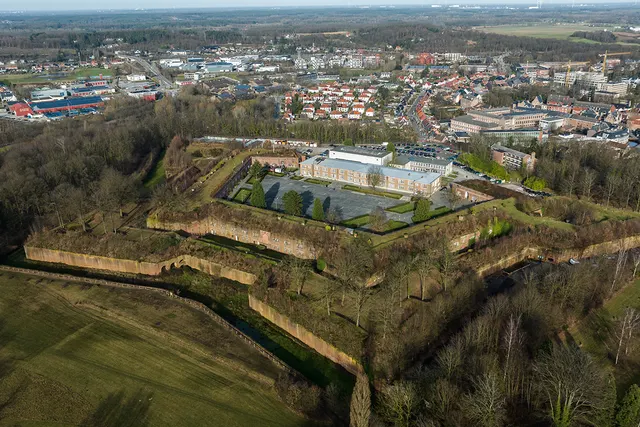
With fifteen villages, 17,000 residents and a territory covering almost as many hectares, 15,000 to be precise, Diksmuide is one of the largest areas in Flanders. The fact that barely a third of this area is paved points to the city and its surroundings’ enormous green potential.
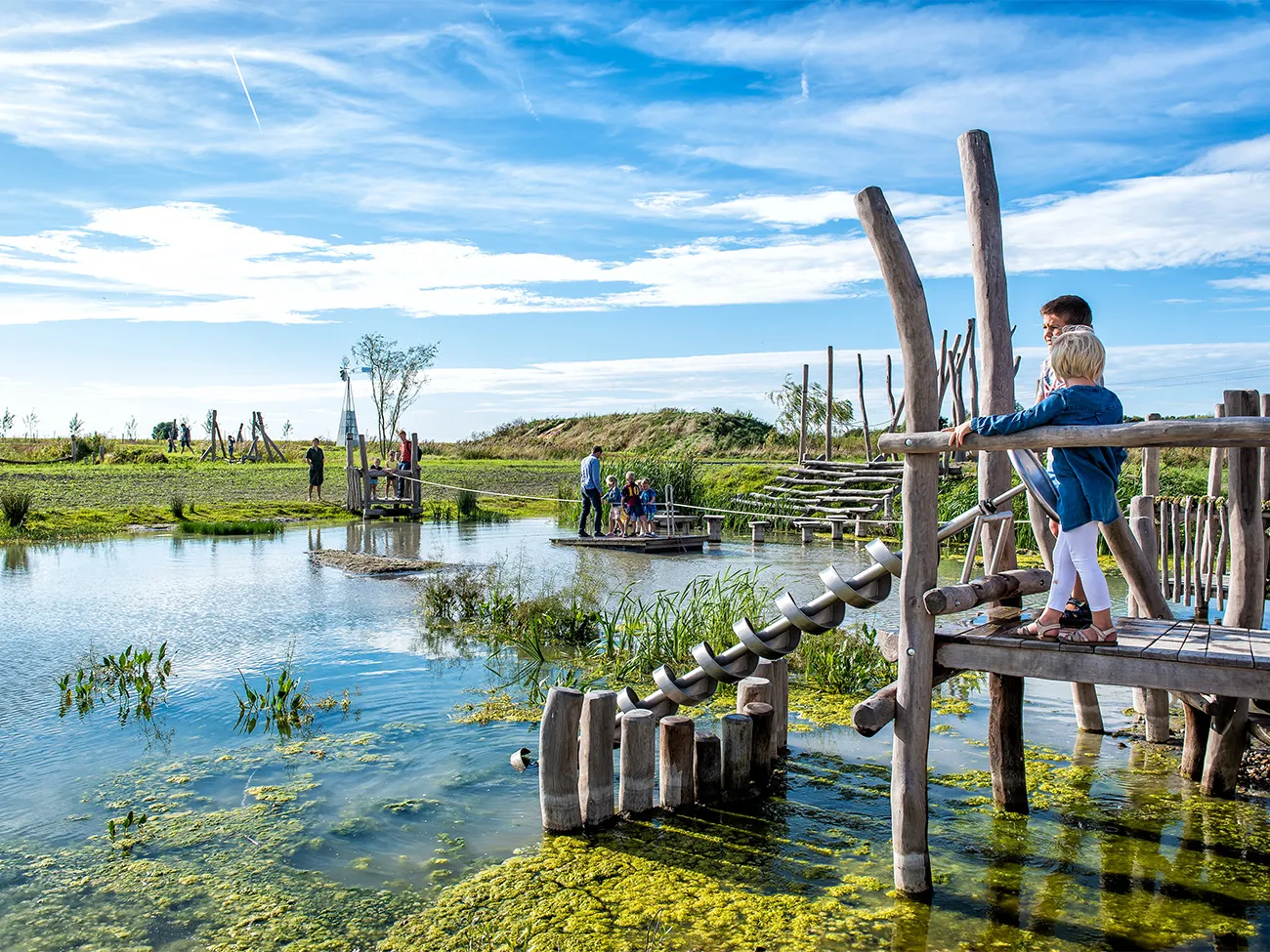
“The polder landscape is of course very characteristic of the area behind the IJzer,” says Martin Obin, “but we also have several recreational green hubs, for example. Think of the provincial estates De Blankaart and De IJzerboomgaard. We focused on all these assets for Entente Florale Europe.”
Building on existing assets
It was not radical measures or major new developments that won Diksmuide a gold medal, Obin stresses, but the enhancement of existing assets. “In Entente Florale Europe, cities are assessed against ten criteria, ranging from landscape, plant life and the natural environment to recreation, communication and education. Gold medals are awarded to those achieving an overall score of at least 85/100.”
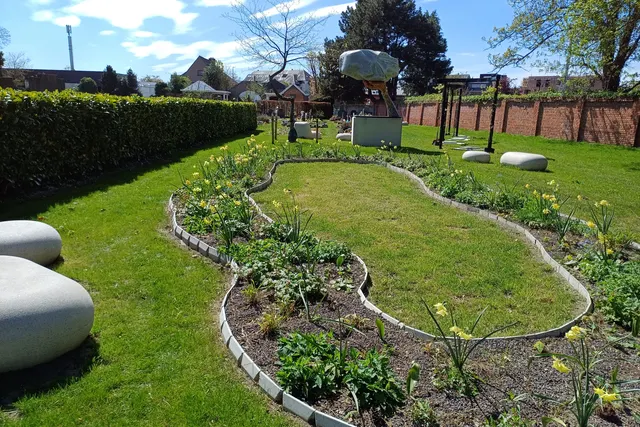
“In our case, we made the most of our existing assets and worked to enhance them and raise awareness. Alongside De IJzerboomgaard and De Blankaart, where a 130-kilometre walking network was mapped out in partnership with Westtoer, the Viconiakleiputten and the deliberate preservation of small, scenic village centres such as Lampernisse and Sint-Jacobskapelle also attracted attention. The Samentuin and Pluktuin at the provincial estate De IJzerboomgaard, run by social enterprise De Groene Kans, were also highly praised. The social dimension of this project and its focus on healthy food also earned us the Herbert Titz Memorial Prize.”
Water-rich area
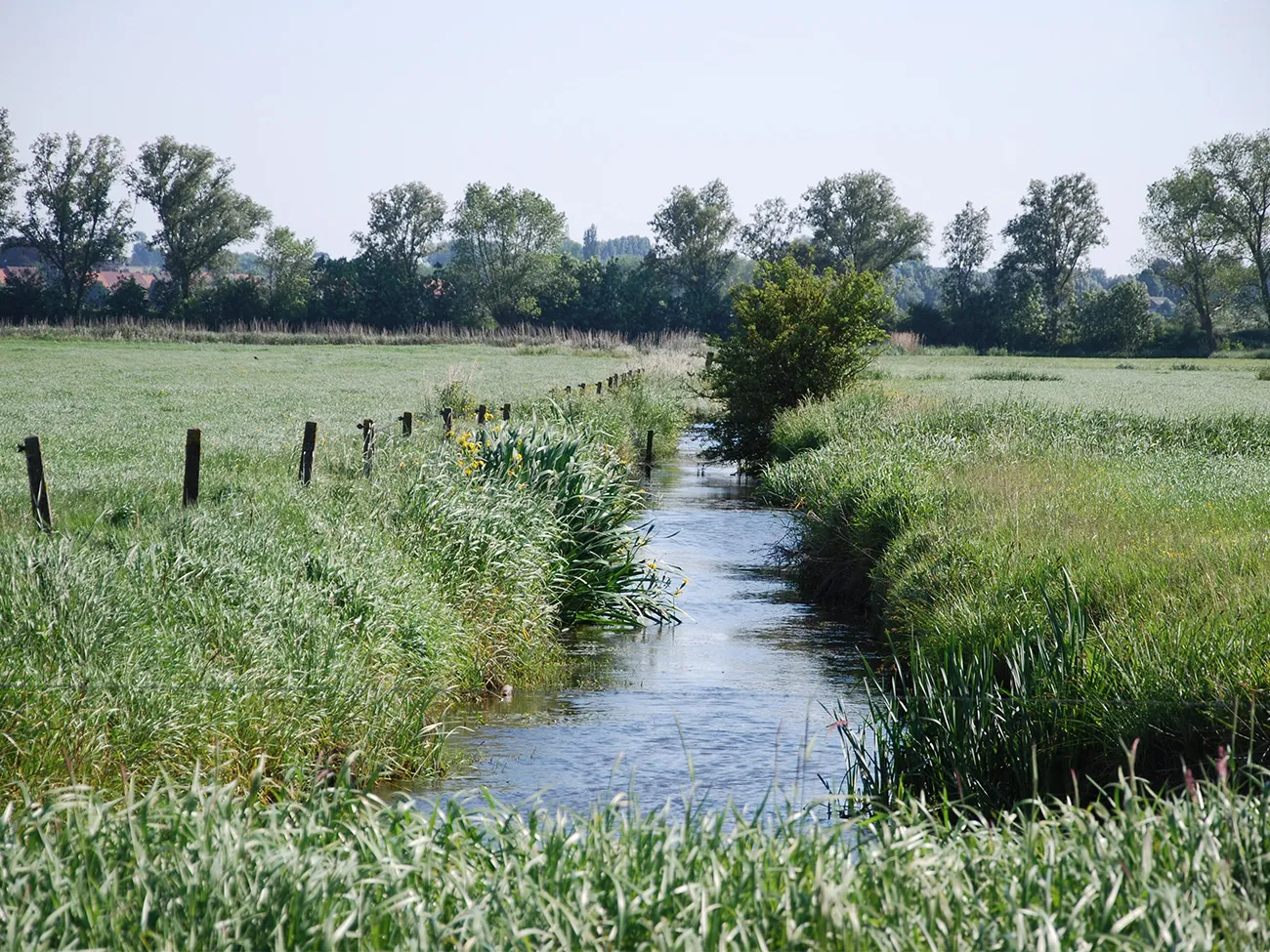
With the IJzer and the Handzamevaart as the most distinctive and defining landscape features in Diksmuide, it is no surprise that water plays a crucial role in the city’s green vision. At the end of 2020, Diksmuide received the ‘Waterproof’ label from VVOG; at Entente Florale, the city was awarded an additional distinction for its drought action plan.
“First and foremost, we are in an exceptionally water-rich area,” says Obin. “Many of our green assets also have a blue component, and we try to manage these as responsibly as possible. As part of the Blue Deal, for example, we are now developing a strategic project to build new water retention basins. We could also give these a recreational function, among other things, but we are also exploring the possibility of making the collected rainwater available to our 386 agricultural businesses during periods of prolonged drought.”
Flower-rich roadside verges
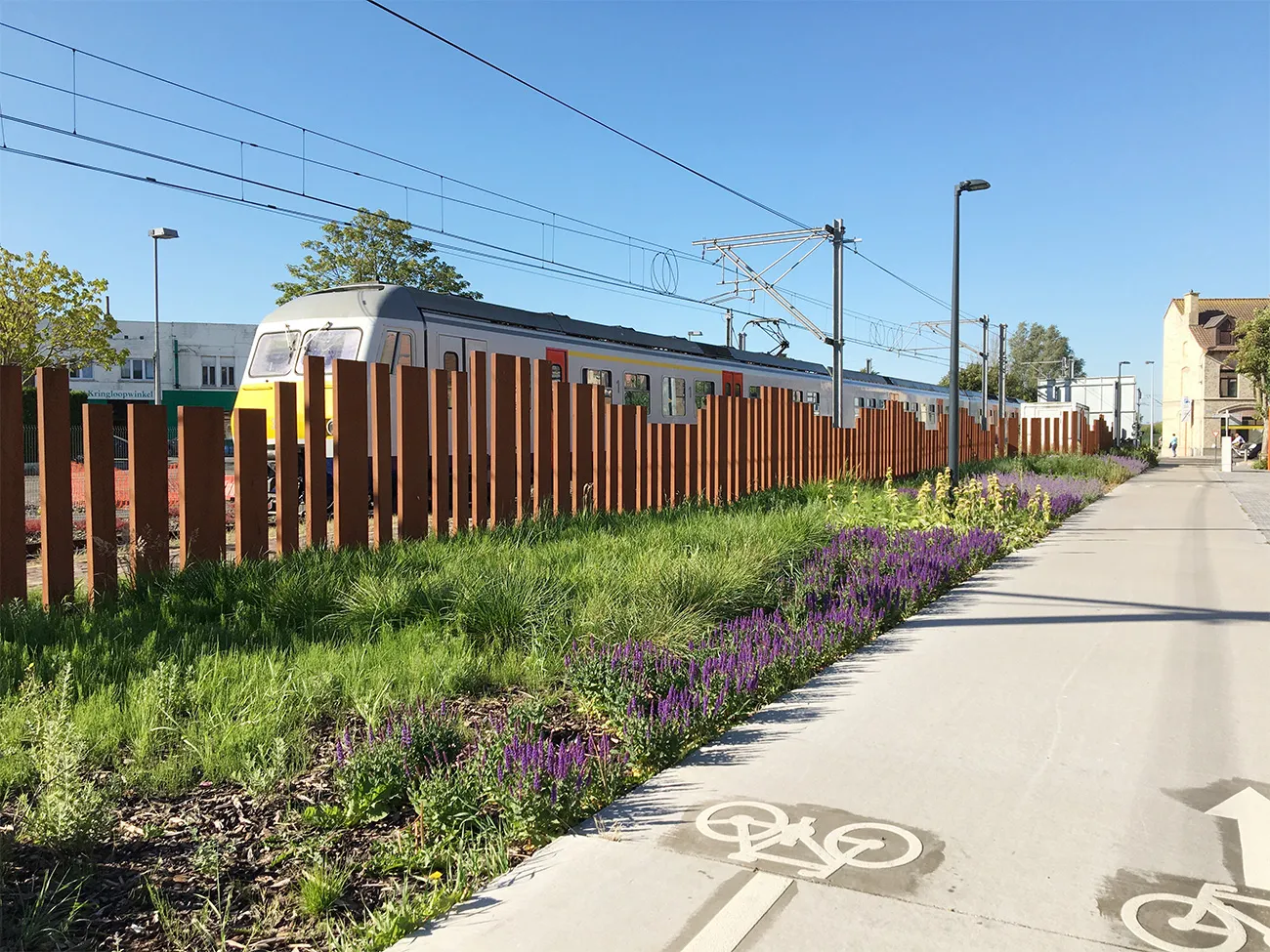
However, it is not only large landscape features that shape Diksmuide’s green character. “Because our territory is so extensive, we have a large number and a wide variety of small landscape features. These thickets, slow routes and verges are sometimes very widely dispersed, which naturally makes them more difficult to maintain. We therefore rely on external parties to look after the various green features outside the city centre, although we always retain overall oversight.”
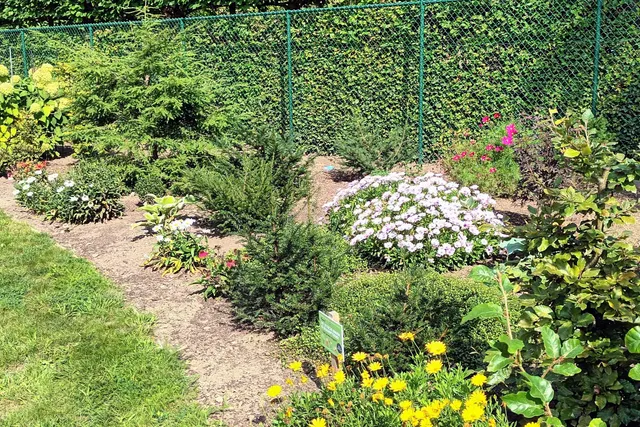
For its 370 kilometres of roadside verges, for example, Diksmuide has a Roadside Verges working group set up by the environmental council. “Every three years, these volunteers carry out a complete survey of the vegetation, which the city authority then uses to tailor verge management as effectively as possible. Elsewhere, we have introduced so-called sinus management to create a wider variety of mowing regimes and, in turn, plants and insects. Importantly, we put up signs for all these initiatives to inform residents about their objectives. Public support is essential.”
Question about this story? Ask your question
Keep following this
Get an email when a new story is published. No account needed.
- SubjectCity in the spotlight