Wevelgem takes decisive action to depave and green its town centre
Text Elise NoyezImage Gemeente Wevelgem
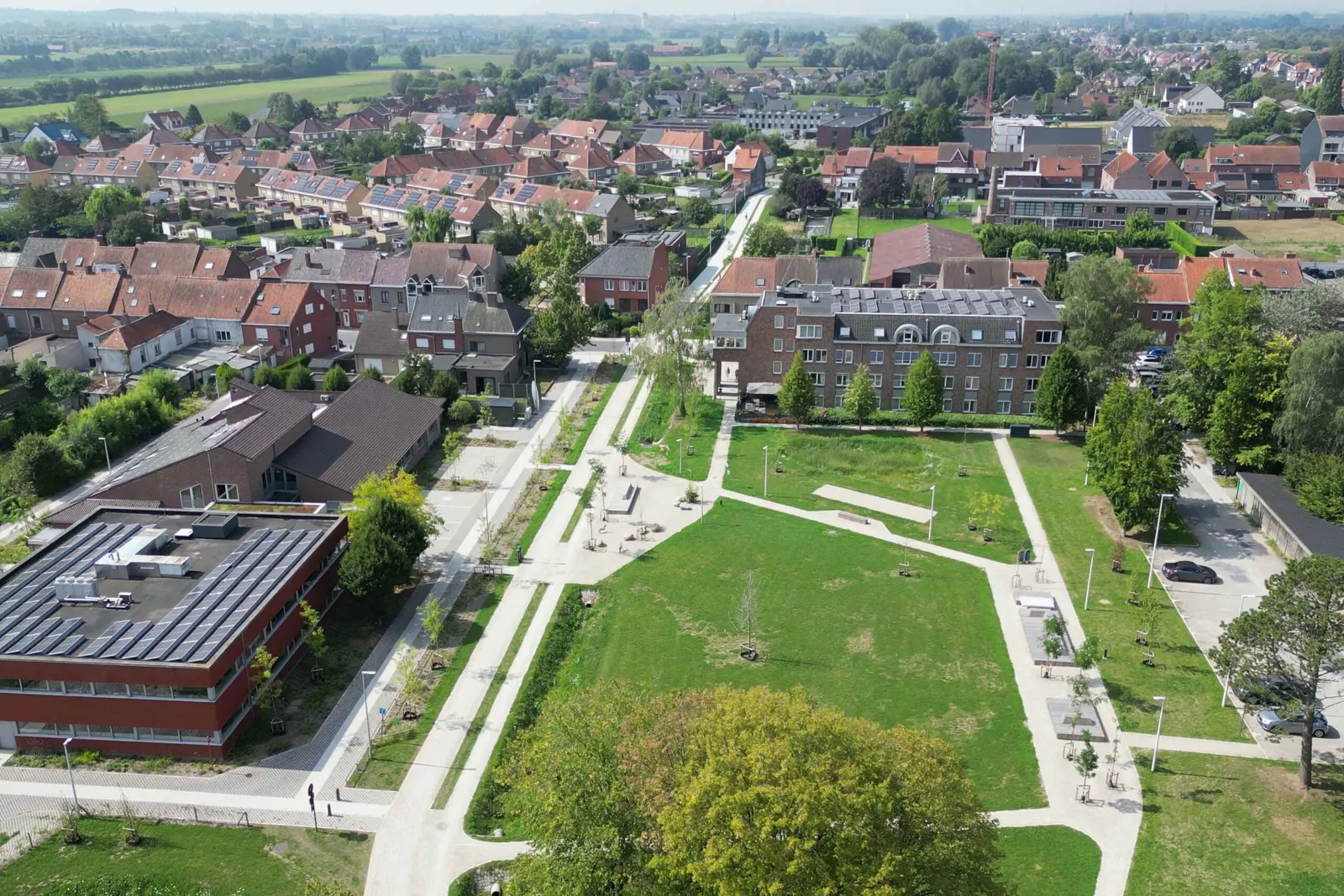
In our ‘City in the Spotlight’ feature, each edition gives a city or municipal authority the floor to talk about the initiatives it is taking to strengthen nature management, green spaces and biodiversity. Wevelgem, a municipality covering around 40 km2 in the urbanised area around Kortrijk, is focusing first and foremost on depaving and greening projects in the town centre. This is a strategy now adopted by many urbanised municipalities, although Wevelgem’s sometimes radical initiatives are rather exceptional.
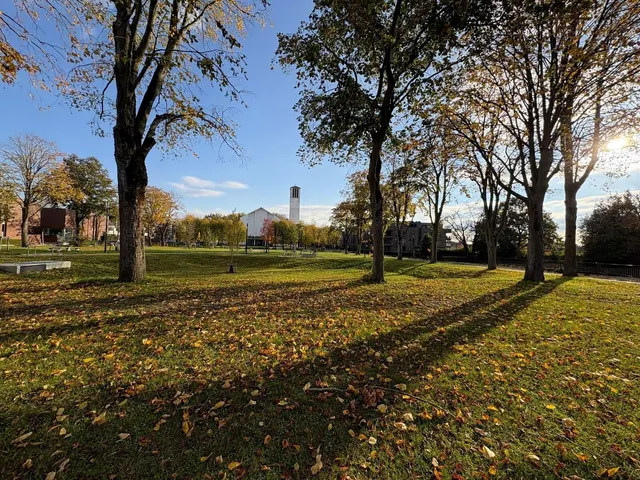
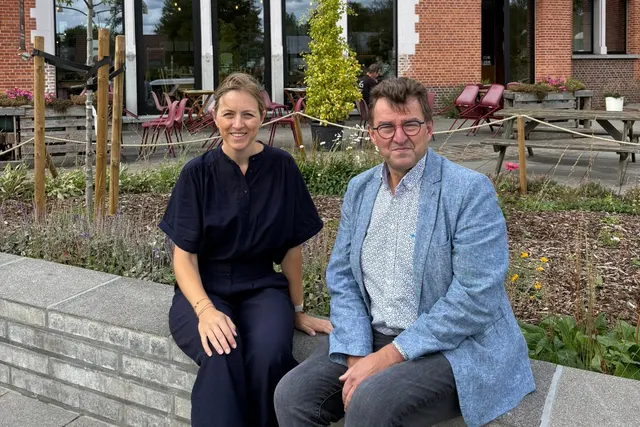
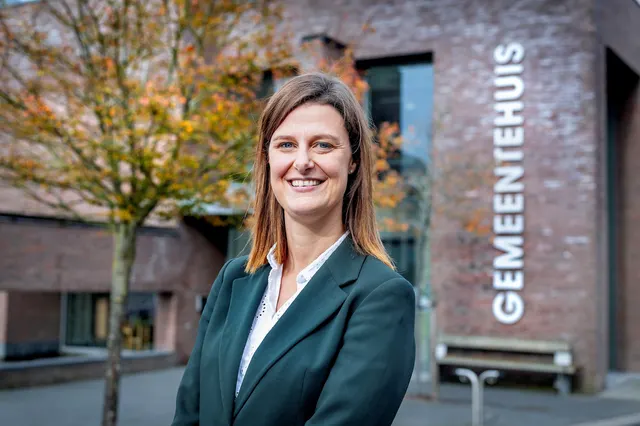
Wevelgem, in West Flanders, has around 32,000 residents spread across three sub-municipalities. Most people live in Wevelgem-Centrum and Gullegem, while Moorsele still has a distinctly agricultural character. “Our top priority is to introduce more green space into our urbanised centres,” says Stijn Tant, alderman for Environment and Green Policy, Energy, Property, Public Works and Animal Welfare. “In recent years, Bankbeekstraat in Gullegem has been redesigned as a green, climate-resilient link, and we closed Deken Jonckheerestraat in Wevelgem to through traffic, creating a shared green space for the surrounding schools.” The projects earned Wevelgem the Public Space Award in 2024 and 2025.
Town-centre renewal
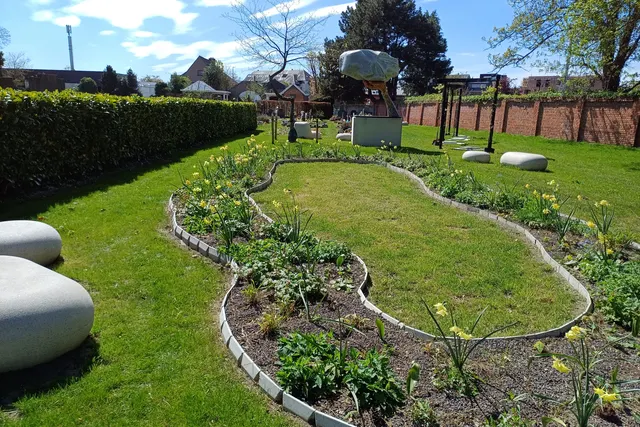
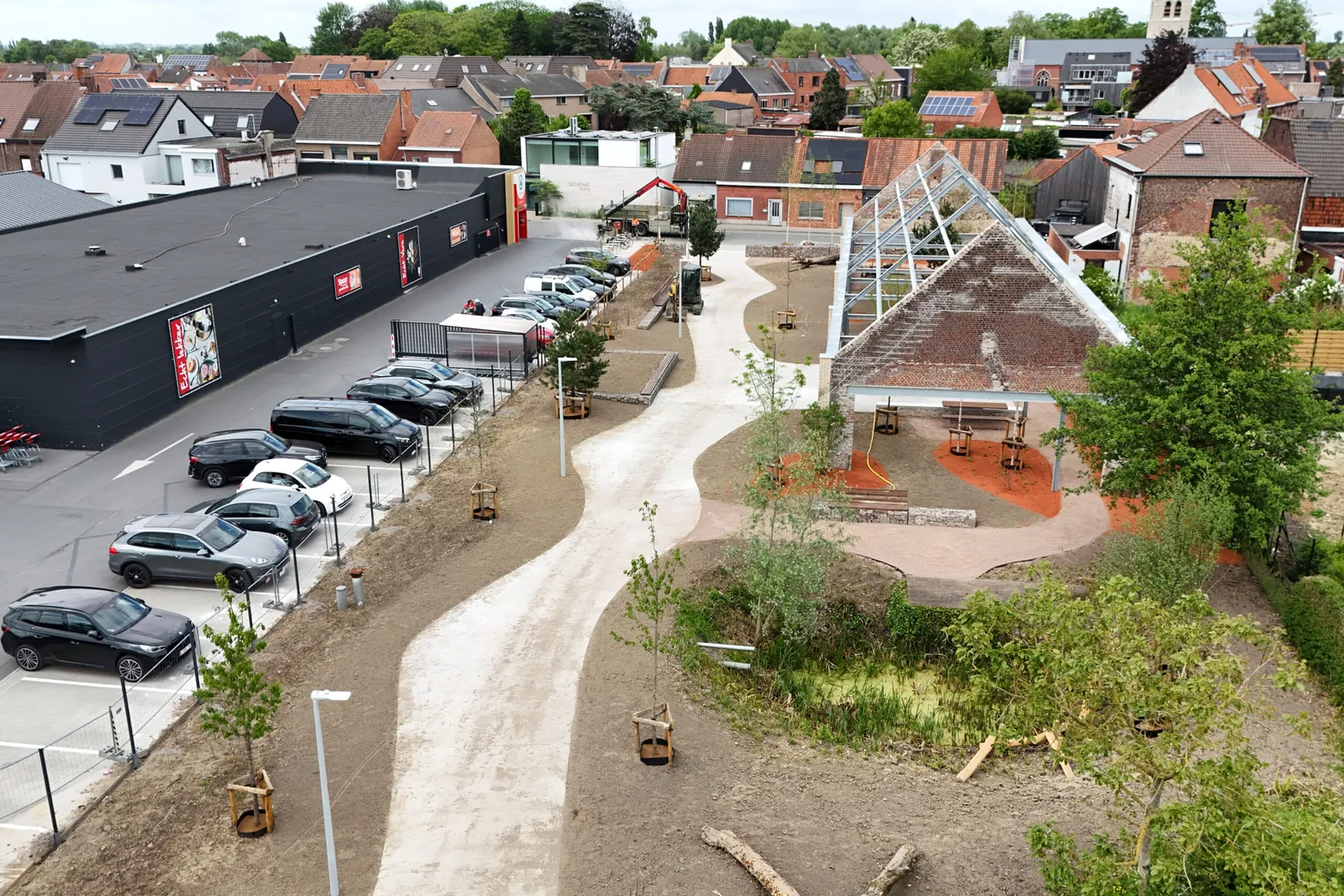
Wevelgem continues to look for opportunities to depave areas, improve biodiversity and create lively, climate-resilient environments that encourage people to meet. Three ‘town-centre exercises’, one for each sub-municipality, provide the basis for this work. “A former boys’ school in Moorsele has already been transformed into a garden. And yes, we mean that literally. It’s not just the playground, but the school buildings themselves too. One building was retained, but stripped back to its basic structure. Bricks from the demolished sections were incorporated into the seating.”
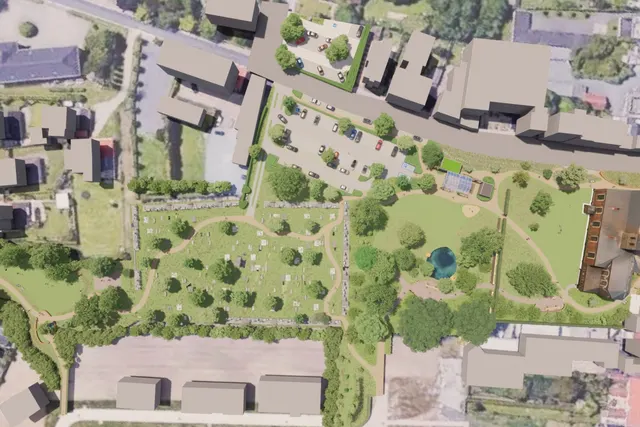
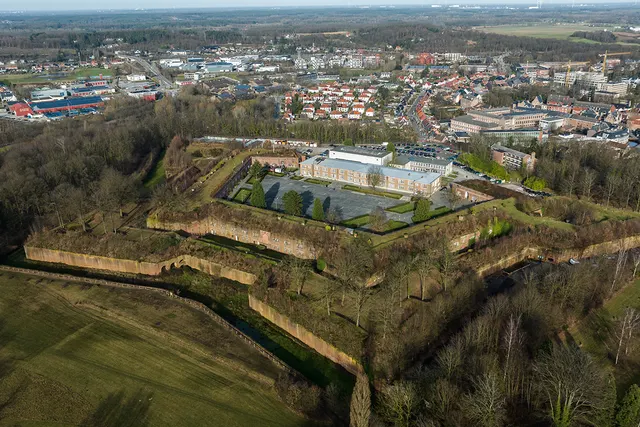
A new masterplan for Wevelgem-Centrum proposes a similar intervention. The existing sports hall will be opened up to create a basic structure for a range of activities, while the surrounding area, including several car parks, will be fully greened. “This will give the open market hall a central position in an extensive park,” says Tant.
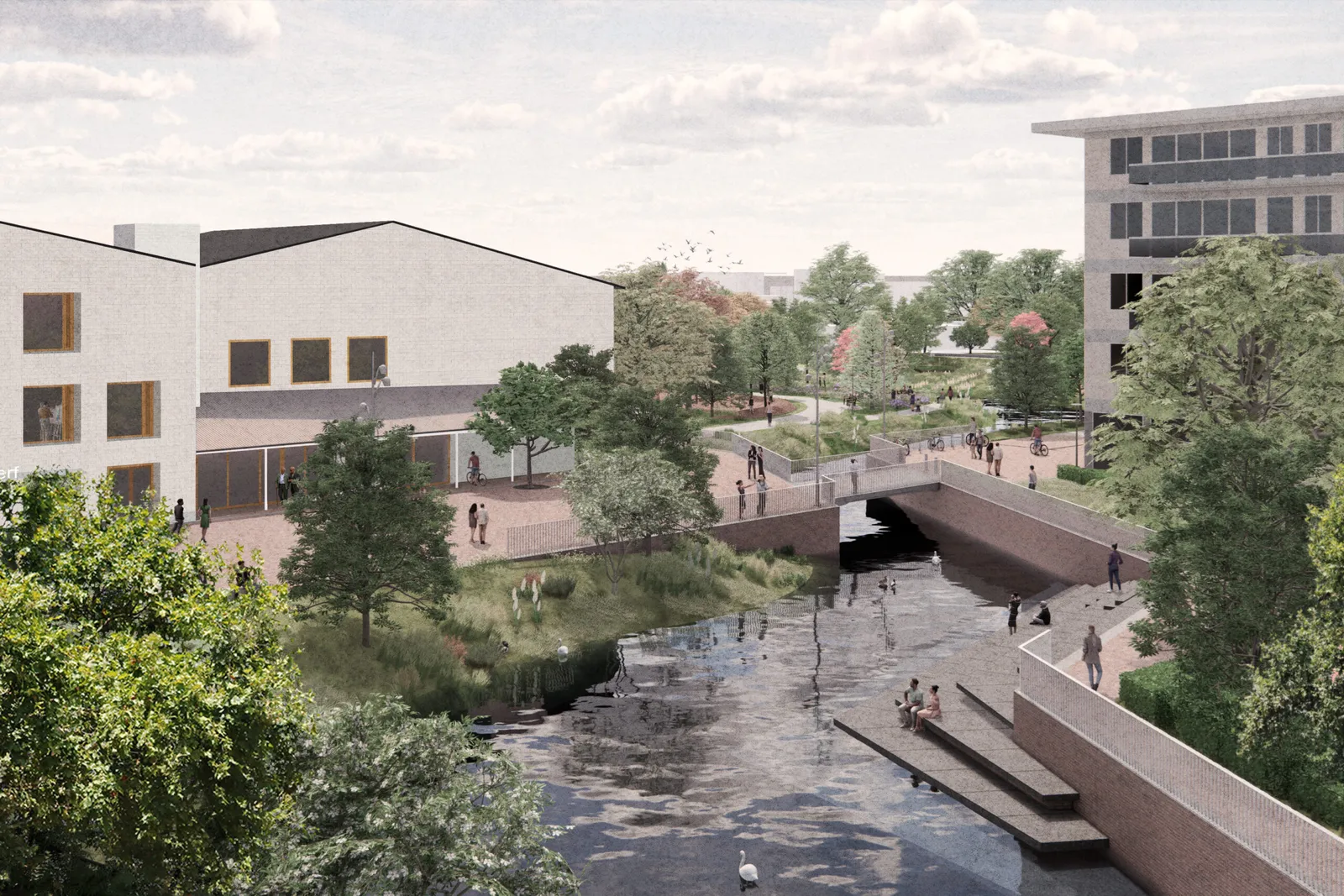
The third town-centre exercise, in Gullegem, is perhaps the most far-reaching. Part of the Heulebeek will be opened up over the coming years. “Plans for a new community centre laid the groundwork for the project. From the outset, we also wanted to make space for water and green space as part of the same initiative. As the relationship between the building and public space was paramount to us, we brought in the Vlaams Bouwmeester to select the design team. The result is an engaging, integrated project that includes improvements to the existing events square and the creation of a new play area. The green space will connect with the new community centre, Dorpsplein, the surrounding streets and, ultimately, Provinciedomein Bergelen,” explains Tant.
Building support
Demolishing buildings, closing streets to through traffic, opening up streams… Wevelgem’s depaving initiatives seem unstoppable. “That’s right,” says Tant with a laugh. “I like to call them ‘radical evolutions’. They’re not revolutions. Because our municipality has had stable local government for 25 years, we can give plans and ideas time to mature. We also keep talking to the parties involved at every stage. For example, we consulted local residents extensively about the idea of the market hall, and agreed with local businesses to apply a ‘no net loss’ principle for parking spaces. The car parks won’t necessarily stay in the same places, but we will ensure that the same number of parking spaces is always available within walking distance. That helps secure broad support.”

Question about this story? Ask your question
Keep following this
Get an email when a new story is published. No account needed.
- ThemeGreen space for everyone
- SubjectCity in the spotlight