Depaving projects bring light, space and biodiversity to Malle’s village centres
Text Elise NoyezImage Gemeente Malle
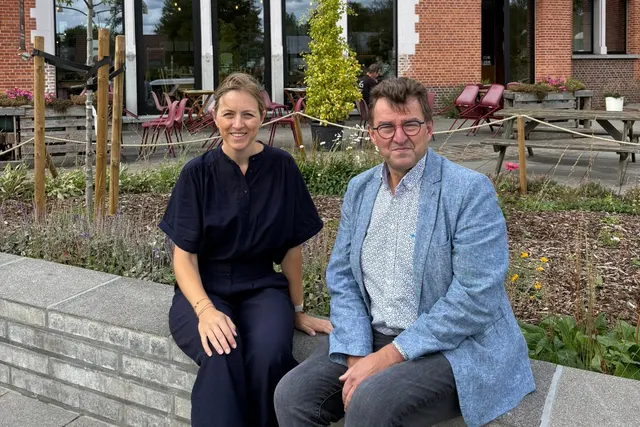
In our Town in Focus feature, each edition gives a town or municipal council the floor to highlight its initiatives in nature management, green space and biodiversity. Greening remains a priority in Malle too, a naturally green municipality in the Kempen. According to alderman Wouter Patho, it is important to pursue green policies both actively and proactively. “In built-up areas in particular, it is essential to create enough green buffers. Everyone has a role to play, but as a council we must set a good example.”
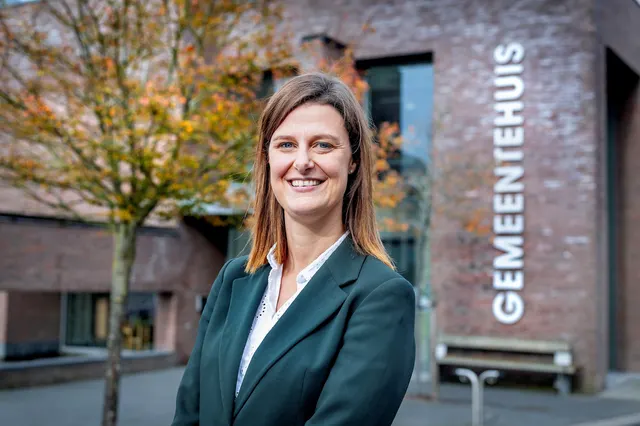
In December 2024, Wouter Patho began his third term on Malle municipal council. Since then, he has combined his previous responsibilities for the environment and nature with public works. “Bringing these responsibilities together is a major advantage,” he says. “It means we can act more quickly and deliver more tangible results.”
Accessible green space
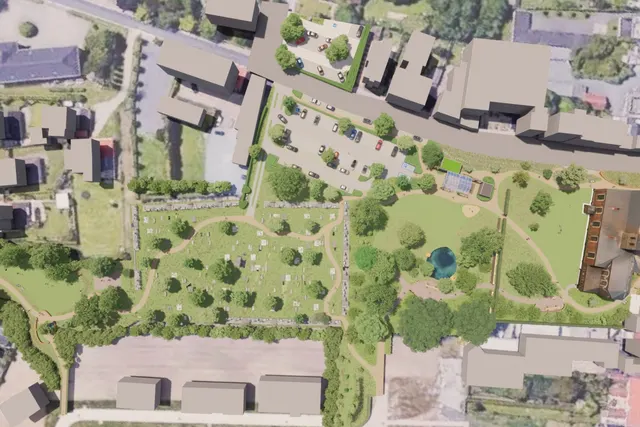
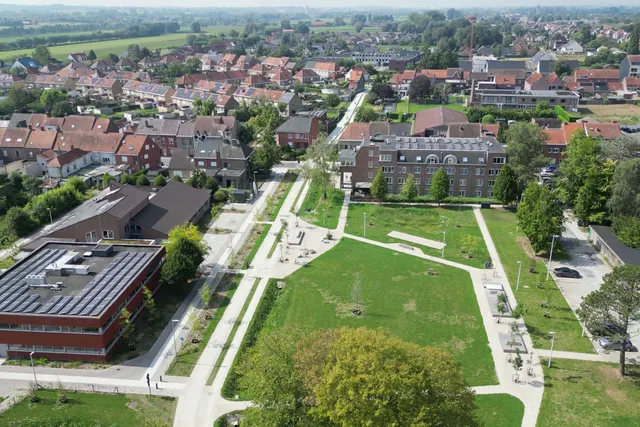
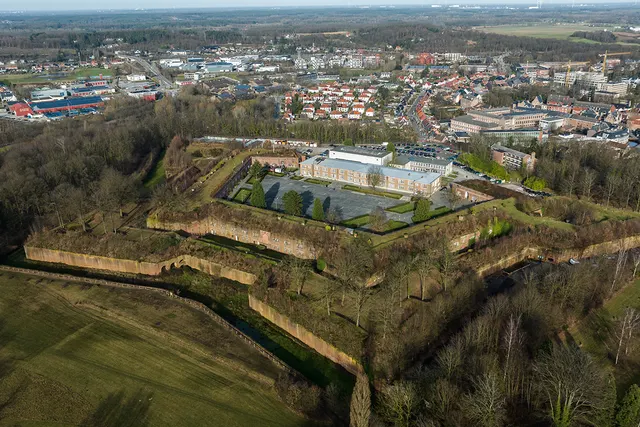
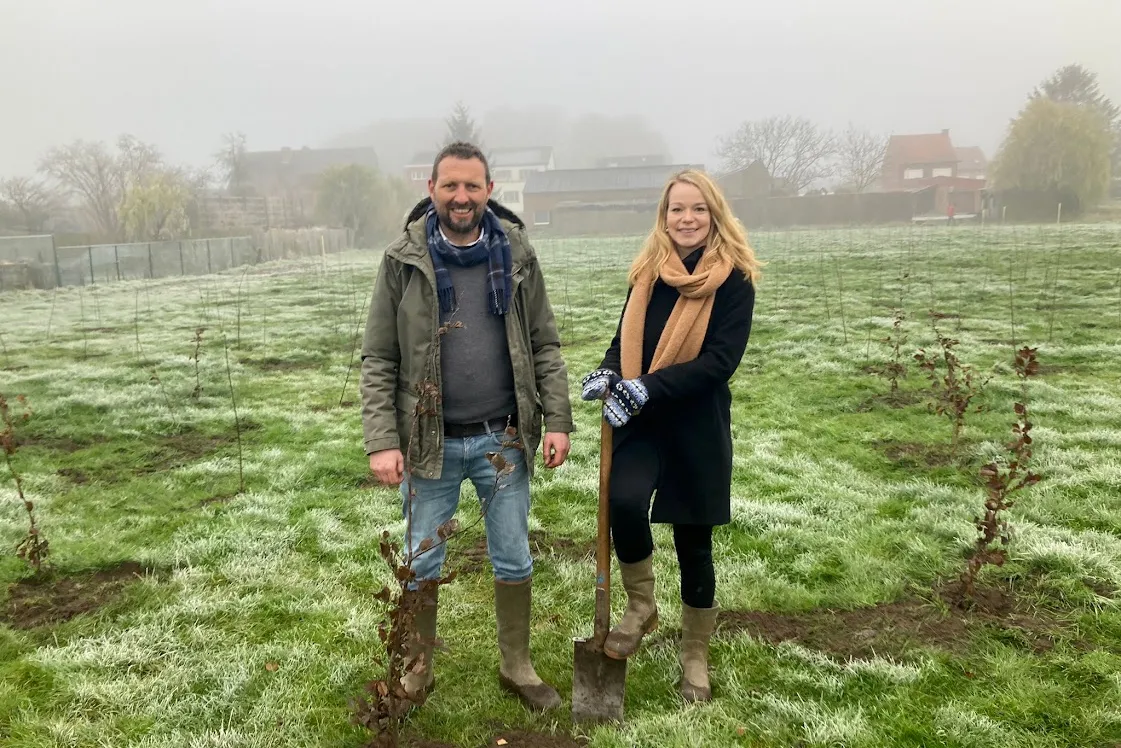
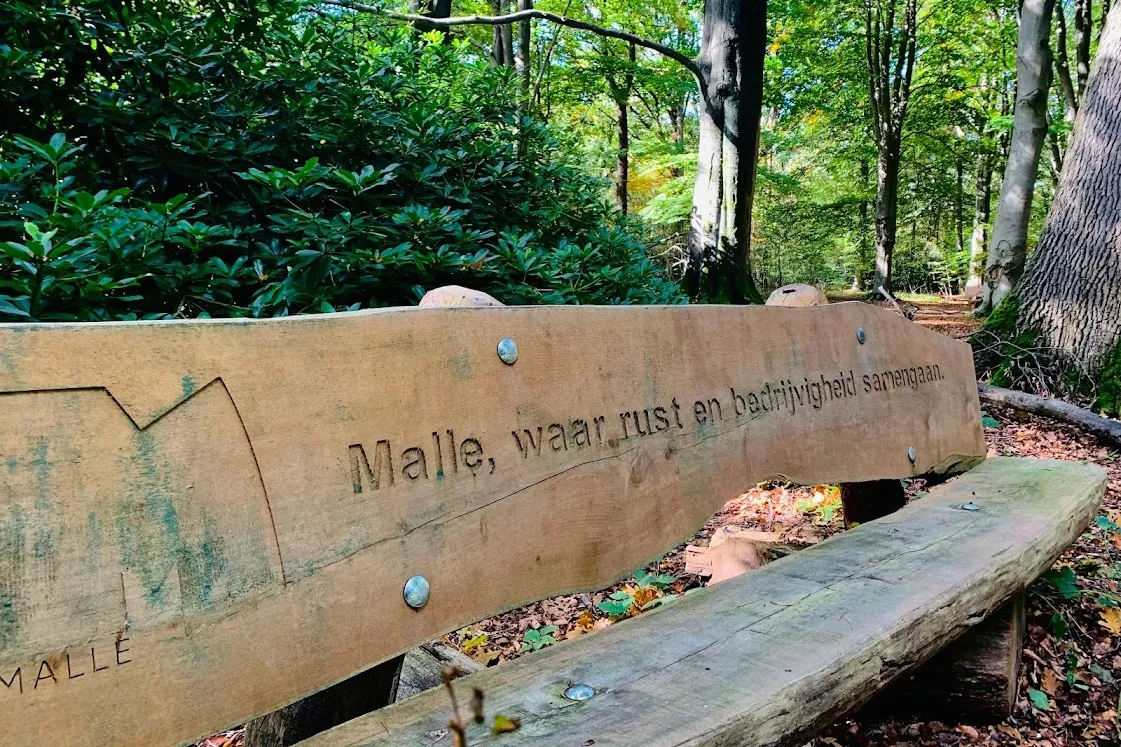
Malle’s green-space policy focuses on two strands: conserving, protecting and opening up the extensive green assets of the surrounding countryside, and creating new green buffers in built-up areas. “Malle is an extremely green municipality, with valuable natural areas mainly in the countryside,” says Patho. “To protect these areas and make them accessible to residents, we have bought several woodland and castle estates in recent years. At the same time, we are seeing increasing pressure from densification in the village centres of Westmalle and Oostmalle. Targeted measures, such as additional planting and depaving, must help counterbalance this. That way, we can preserve our green character even in a densely built environment.”
From depaving to village woodland
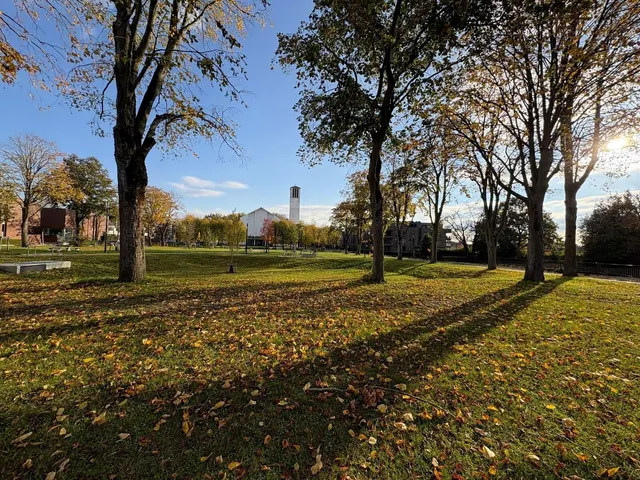
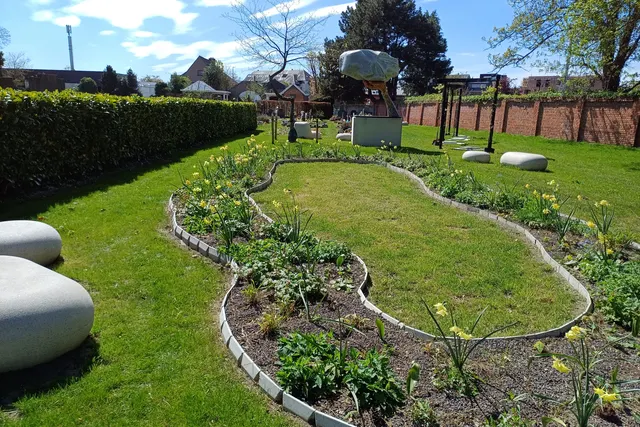
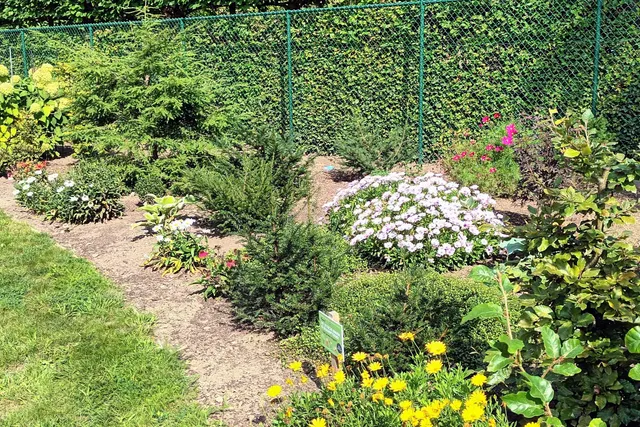
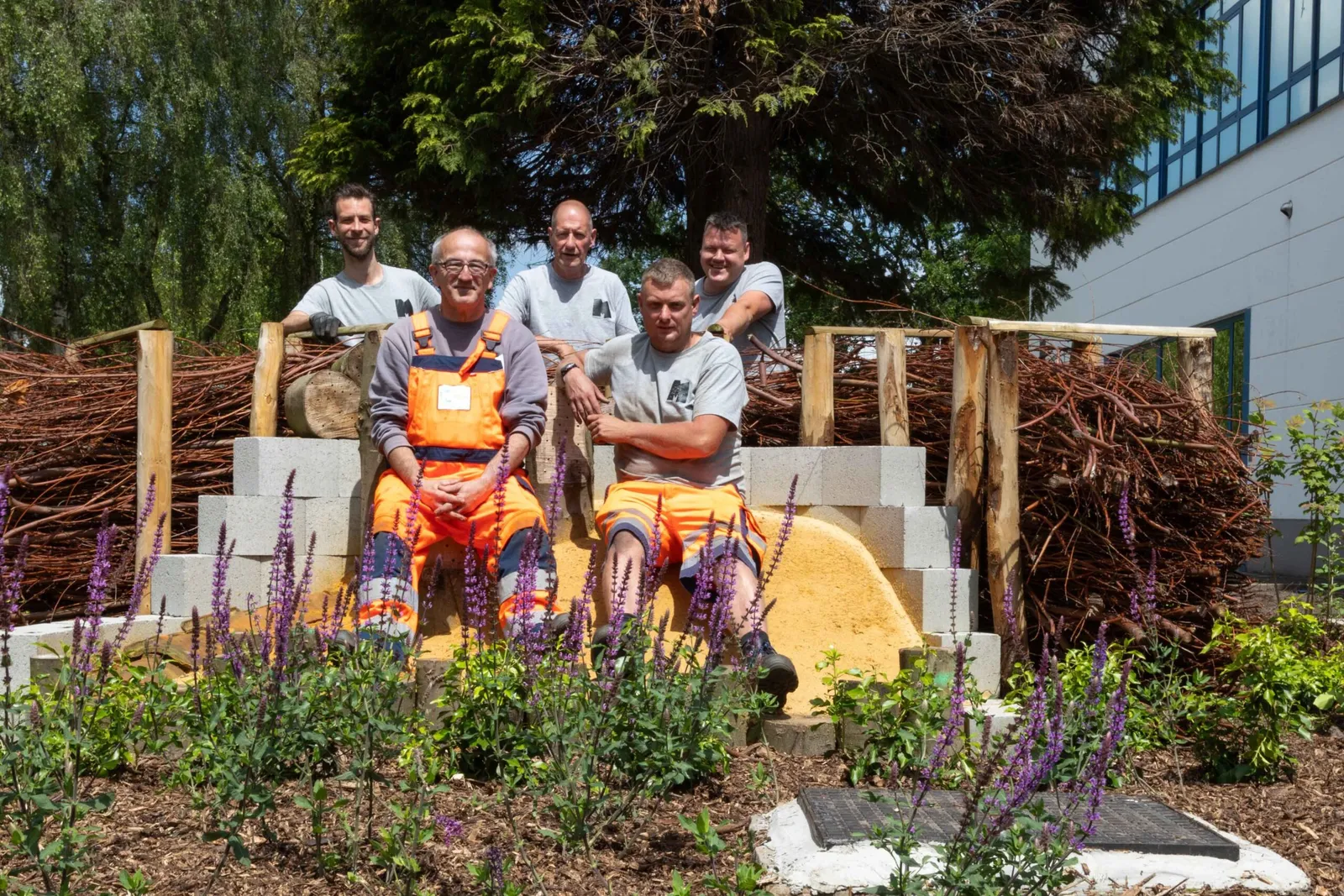
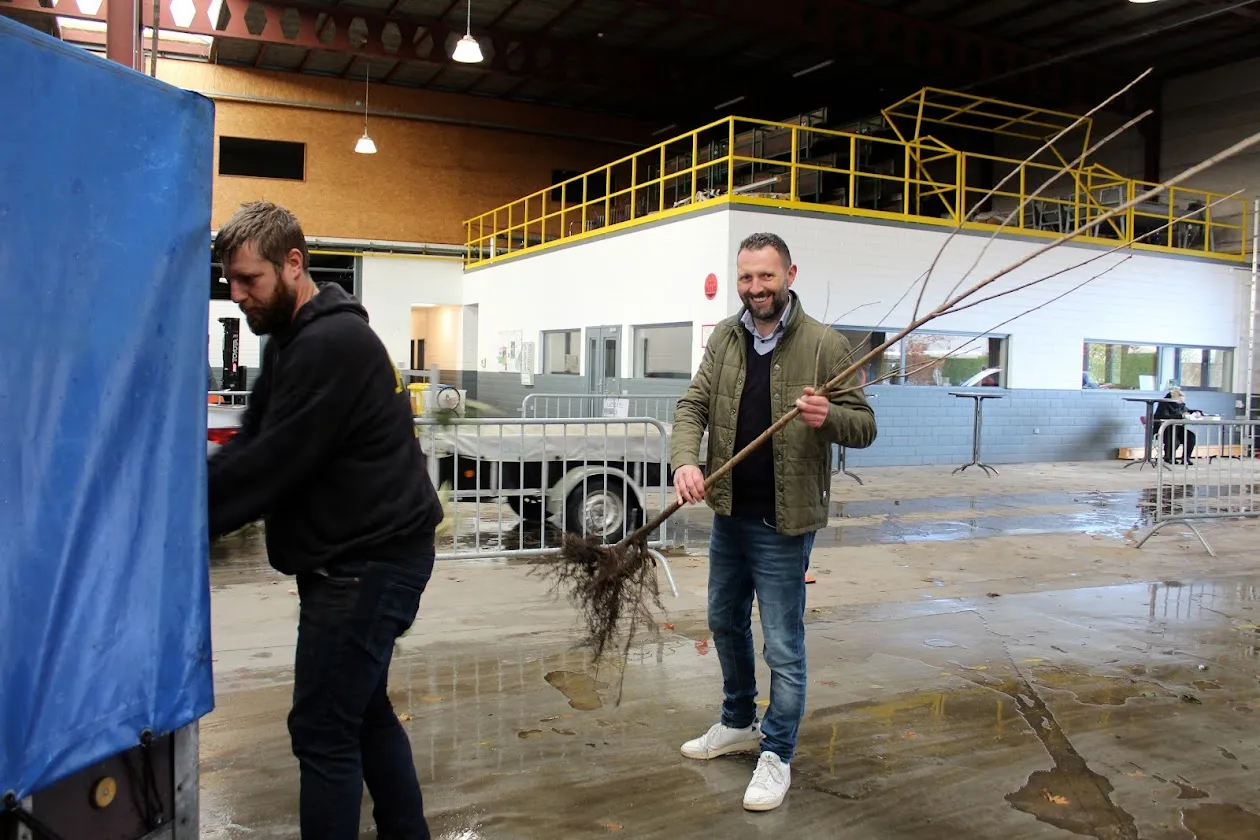
These green buffers can take different forms. At the end of 2022, 1,300 trees were planted in the centre of Westmalle to create a fully fledged woodland experience. Malle is also investing in ‘tiny forests’, while depaving plays a central role in the design of public spaces. A good example is the bee-friendly depaving project at the Department of Space & Housing buildings, which won an award at the VVOG Public Green Awards at the end of 2024.
“Depaving is absolutely essential, but simply replacing hard surfaces with a lawn is not enough. We see these projects as an opportunity to redesign public spaces intelligently and promote biodiversity,” says Patho. “That is why, as part of the project on Nijverheidsstraat, we built a bee bank and planted no fewer than 34 plant and flower species. They provide colour and variety throughout the year, as well as an ecologically valuable habitat for pollinators such as bees and butterflies.”
Community involvement as a success factor
A distinctive feature of the award-winning depaving project is that it was developed entirely by the municipal green-space team. “No plan was imposed from above,” Patho stresses. “The team took responsibility for the concept, design, plant selection and implementation. This boosts their pride in their work and their involvement, and in turn builds support for ecological management. This approach also helps embed the principles of biodiversity and sustainable management for the long term.”
The municipality hopes the project will inspire other stakeholders too. “This is how we see the future of public space,” says Patho. “But it is not just a model for municipal projects; we also want to encourage residents and businesses to take action themselves on depaving and greening. There is enormous potential on private land. By making our initiatives visible, we hope to raise awareness.”
Question about this story? Ask your question
Keep following this
Get an email when a new story is published. No account needed.
- ThemeGreen space for everyone
- SubjectCity in the spotlight