In Diest, historic heritage and contemporary climate policy go hand in hand
Text Elise NoyezImage Stad Diest
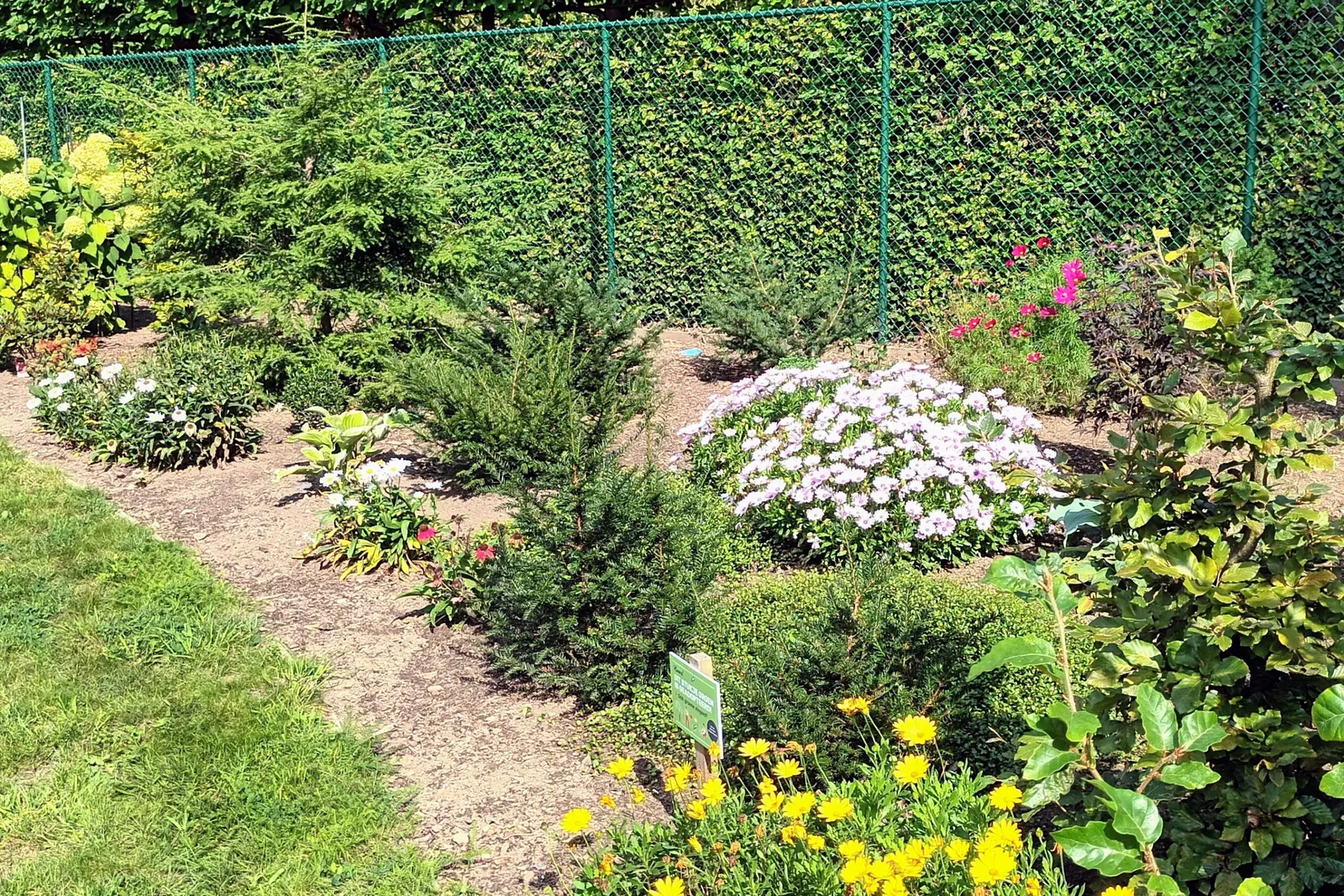
In each edition of our City in the Spotlight feature, we invite a city or municipal authority to talk about its efforts in nature management, green spaces and biodiversity. This time, we head to Diest, a historic city on the border between the Hageland and the Kempen. The challenges are considerable, but the city authorities believe in the power of small, systematic measures.
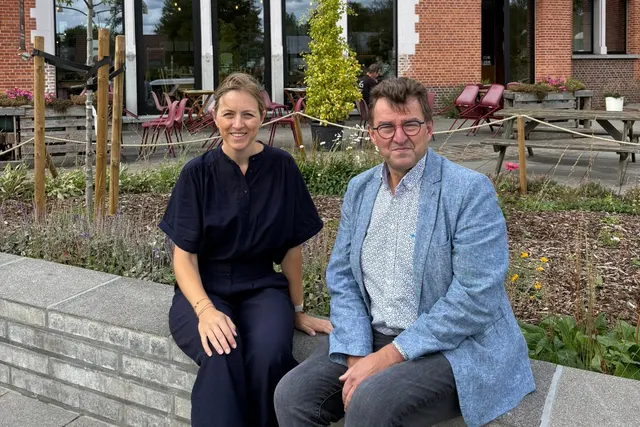
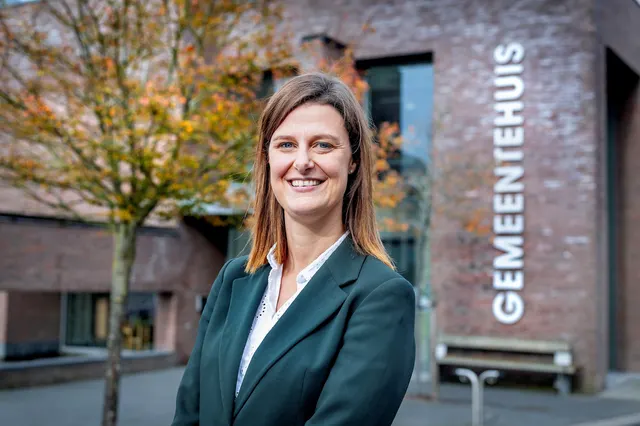
“We must not be deterred by the scale of the problems,” says Miet Dirix firmly. As alderwoman for the environment, energy, climate and sustainability, animal welfare, public consultation and participation, and civil affairs, she knows what she is talking about. Issues such as climate change, biodiversity and the guidelines set out in the Local Energy and Climate Pact are on her agenda every day. “Diest also has a strong historic character, with a great deal of valuable heritage. In this context, managing green spaces often requires extra attention.”
Historic citadel
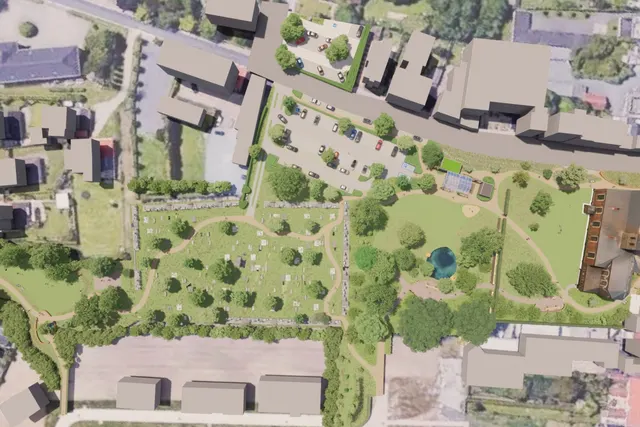
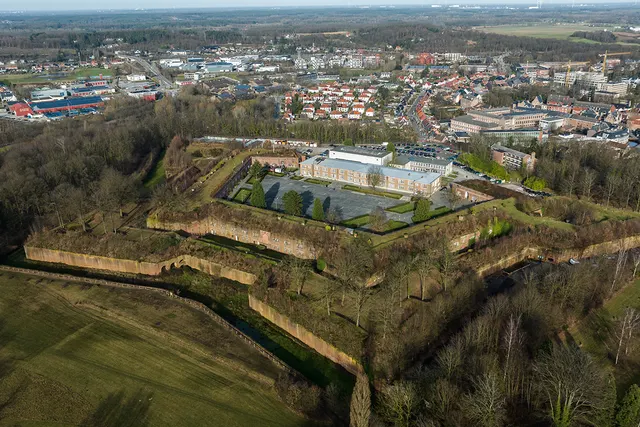
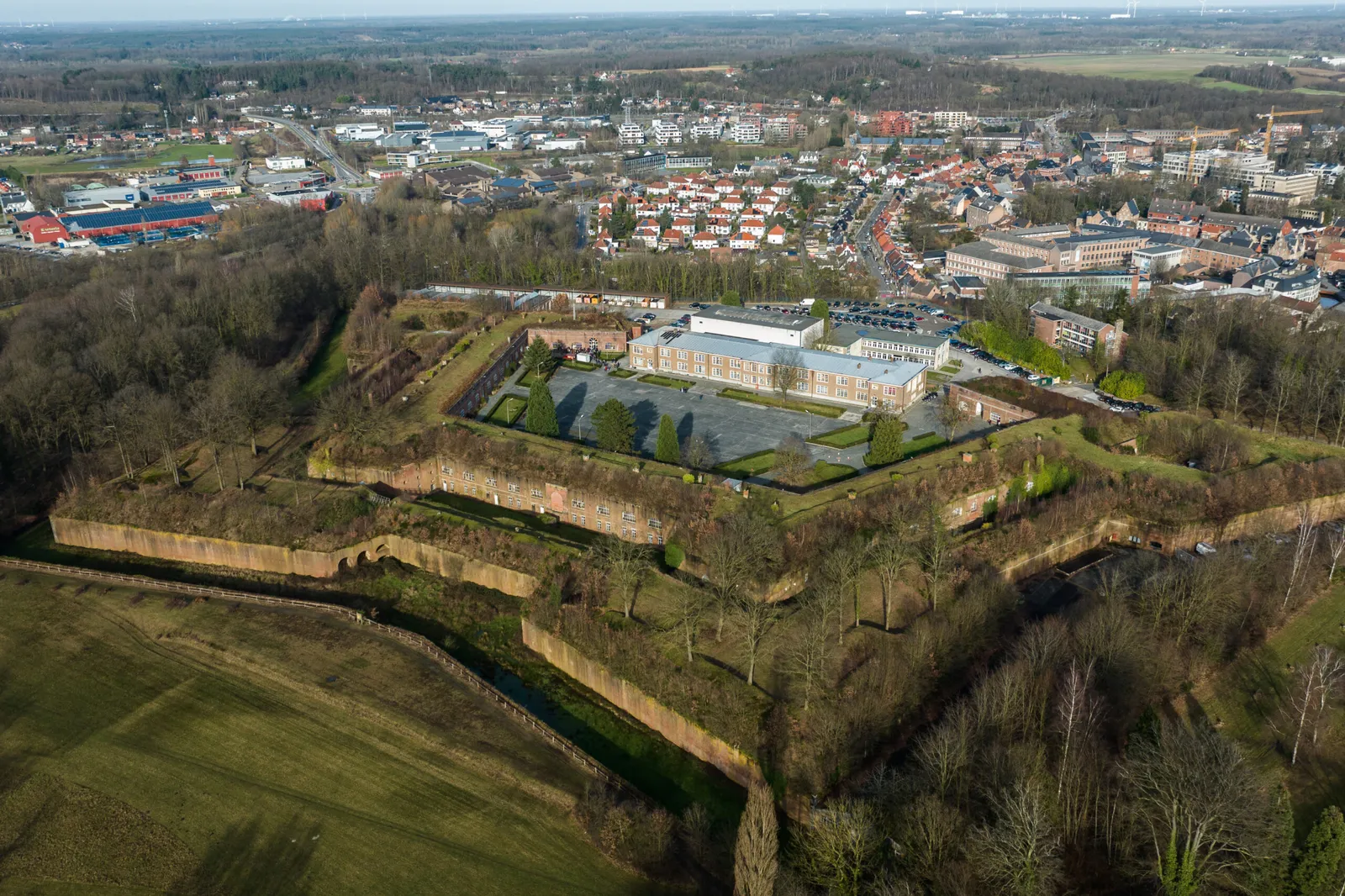
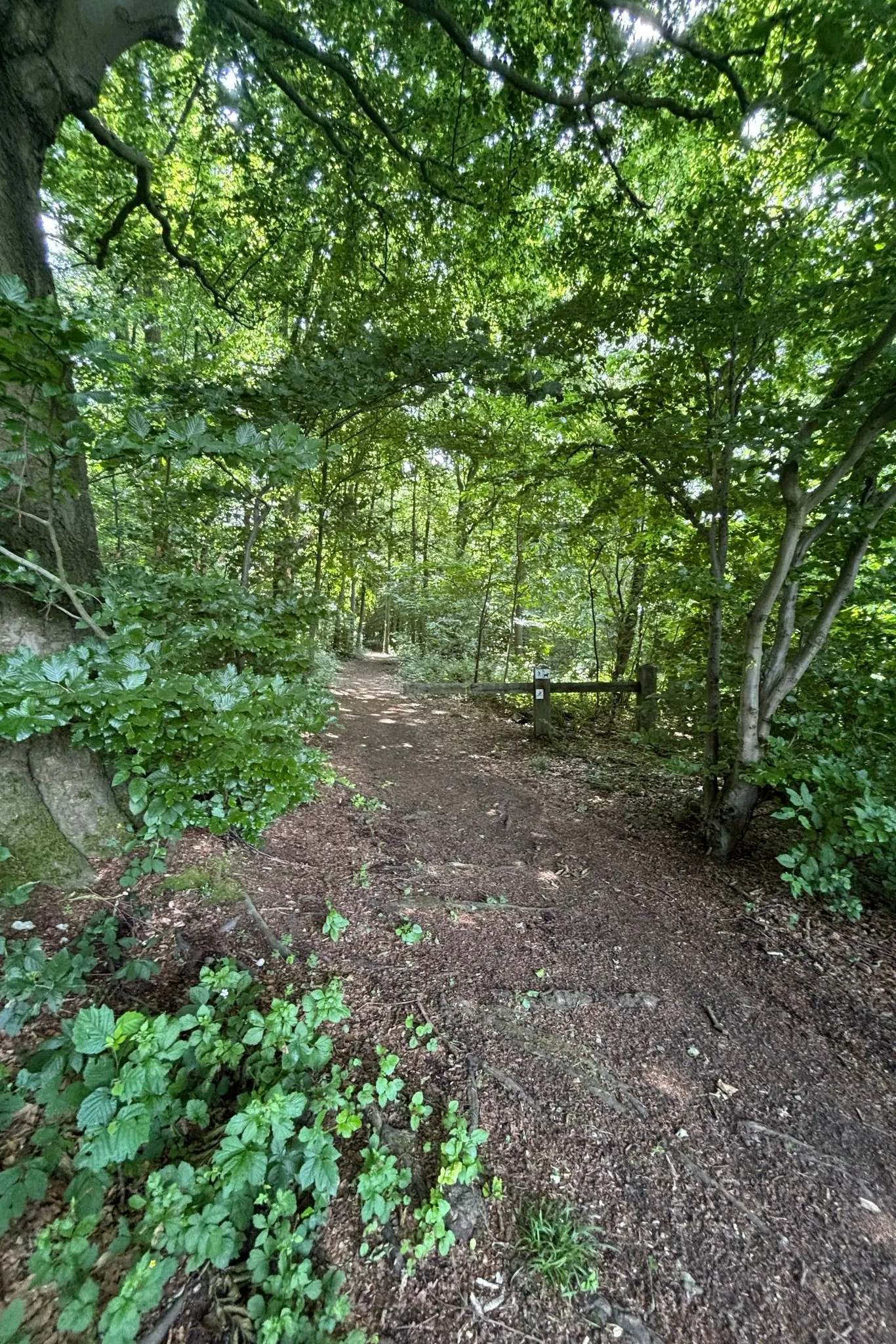
A striking link between heritage and nature is the 19th-century citadel in the south-west of Diest. “The site covers around 28 hectares,” says Dirix. “Part of it is woodland managed by the Agency for Nature and Forests. We will soon designate an area there as a natural burial ground. Because we are committed to respecting nature as much as possible, both the Agency for Nature and Forests and the heritage authorities involved quickly approved the project.”
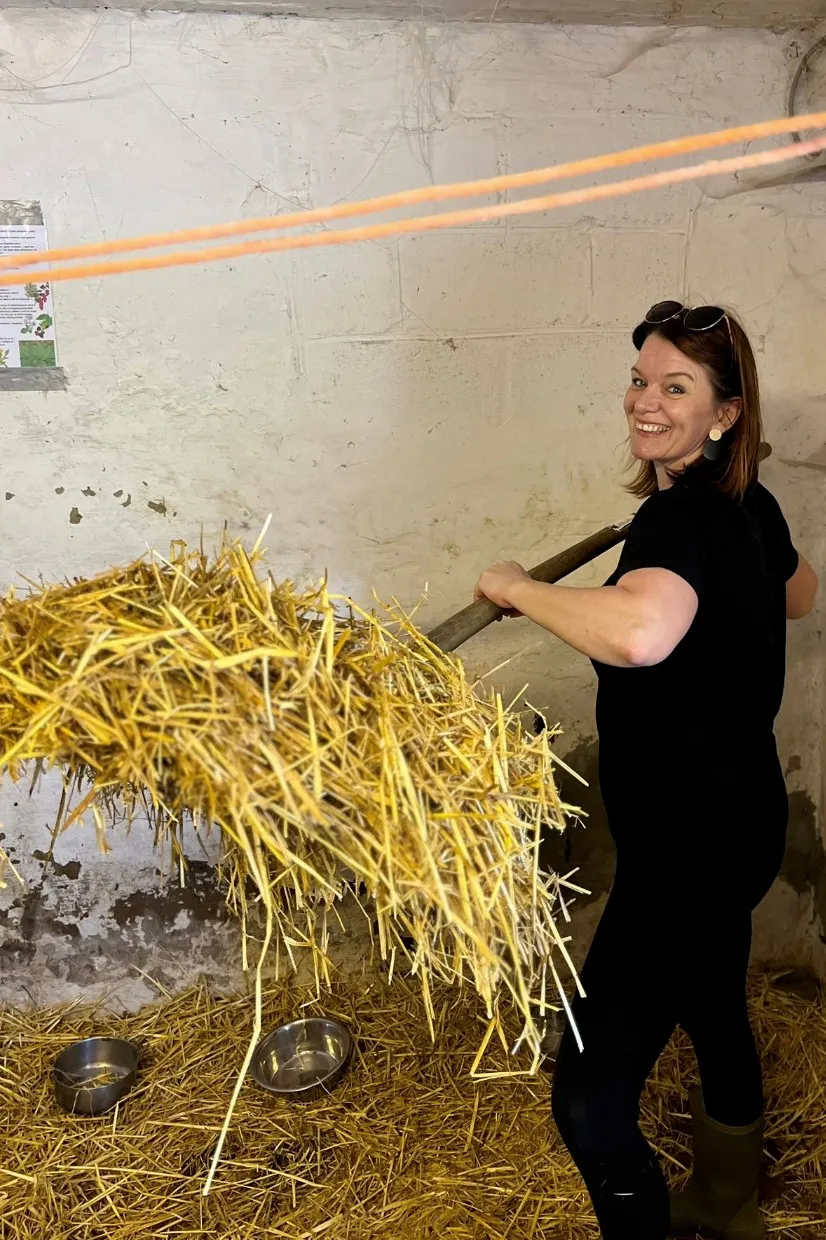
The city authorities are also looking for sustainable solutions to maintain the green roofs on the historic ramparts, or curtain walls. “We are working on a pilot project involving pulse grazing. Mowing there is currently very risky and labour-intensive. That is why we want to have an initial area grazed, while of course respecting the heritage. After a year, we will assess the results together with the heritage authorities and decide whether to extend the project,” Dirix explains.
A shared commitment
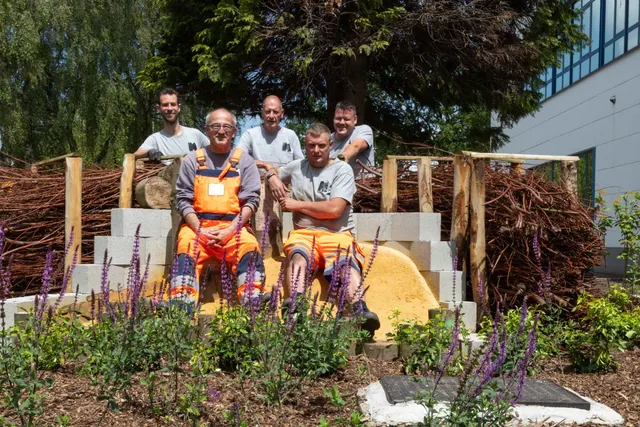
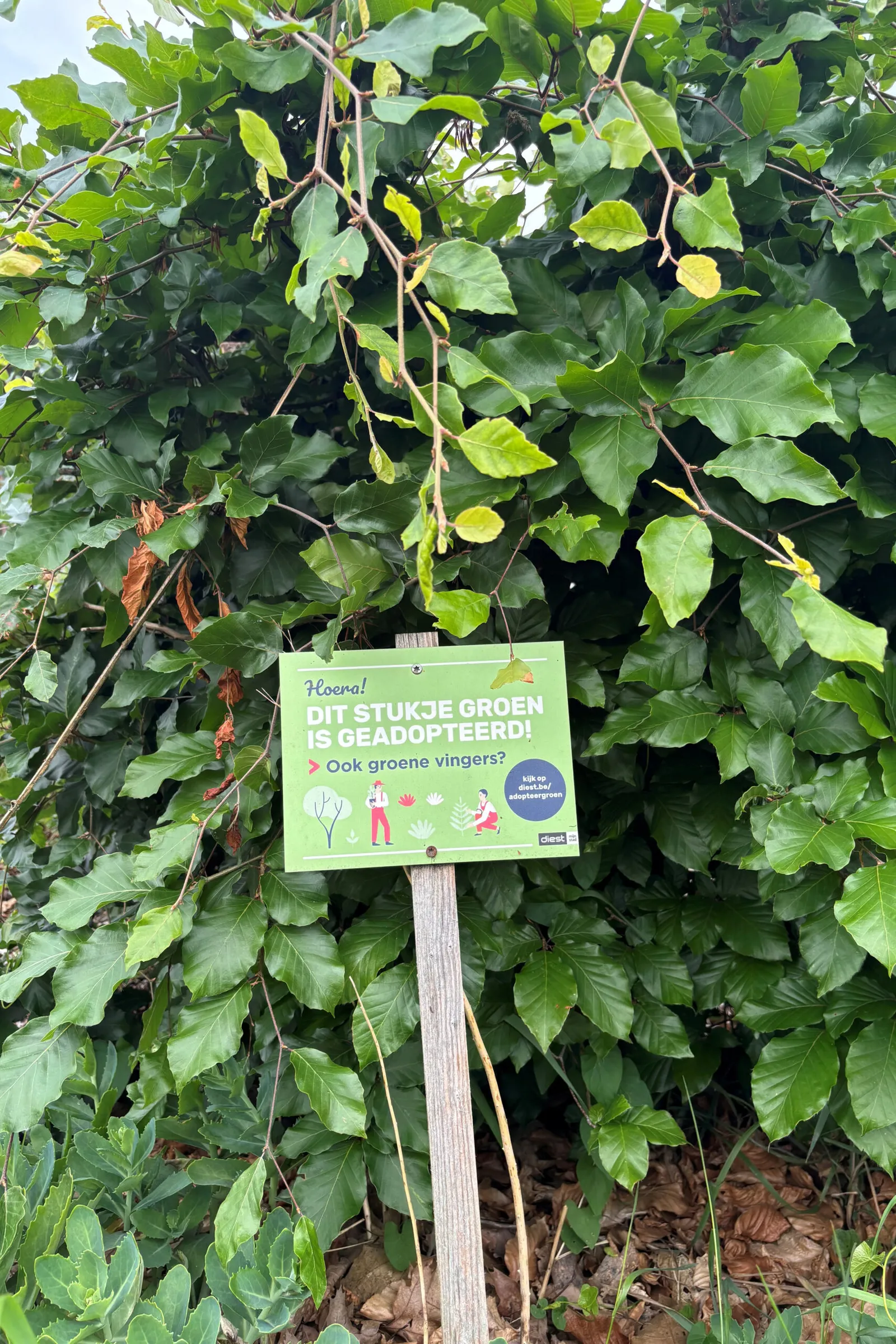
Alongside strong internal collaboration, Diest also places great importance on public involvement. For several years, the ‘Adopt public green space’ initiative has enabled residents, businesses and associations to help maintain green spaces. “In principle, participants can choose which area to adopt: a tree pit, a roundabout or even a small green space. There is a clear set of guidelines: no chemical fertilisers or pesticides, and anyone who wants to enhance their area can receive a one-off grant of 25 euros,” Dirix explains. One fine example is a neighbourhood initiative that improved a 30 m² plot with new planting and an insect hotel.
There are now around 30 adopted areas in Diest. “Of course, this only takes a limited amount of work off our green-space maintenance team. The real added value lies in the commitment and awareness it fosters among residents. This is how we turn small actions into levers for greater change. I am convinced that this systematic approach, both by the city and by residents, can help us tackle the challenges of climate change and biodiversity,” she concludes.
Question about this story? Ask your question
Keep following this
Get an email when a new story is published. No account needed.
- ThemeGreen space for everyone
- SubjectCity in the spotlight