Successful green space management in Duffel: tailored to residents, the parks team and the climate
Text Elise NoyezImage Gemeente Duffel
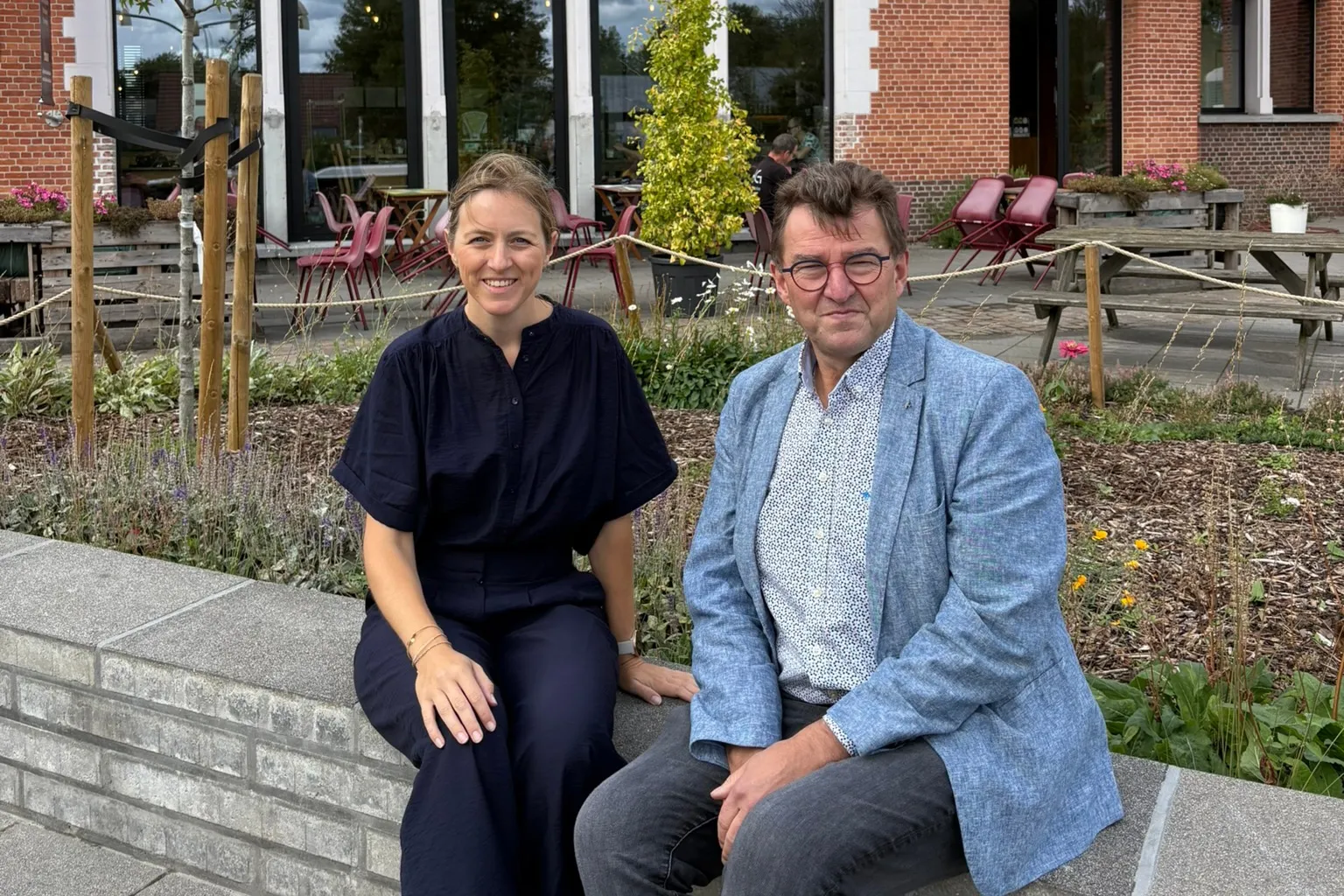
In our ‘City in the Spotlight’ series, we feature a city or municipal authority that is actively committed to nature management, green space and biodiversity. This does not always have to involve major projects. In Duffel, a series of small-scale interventions shows how green space can reach even the smallest corners of the municipality.
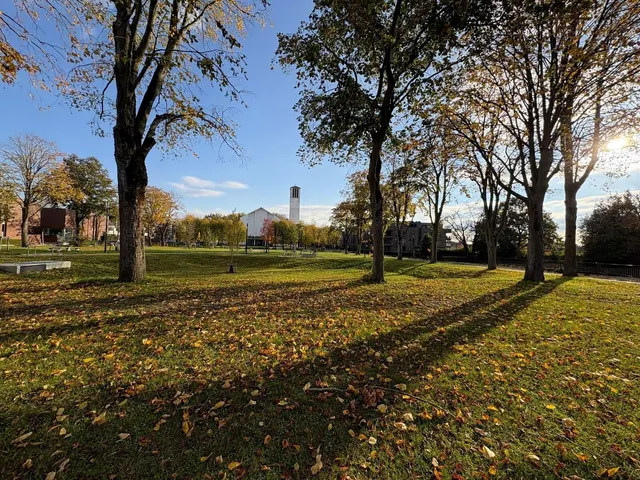
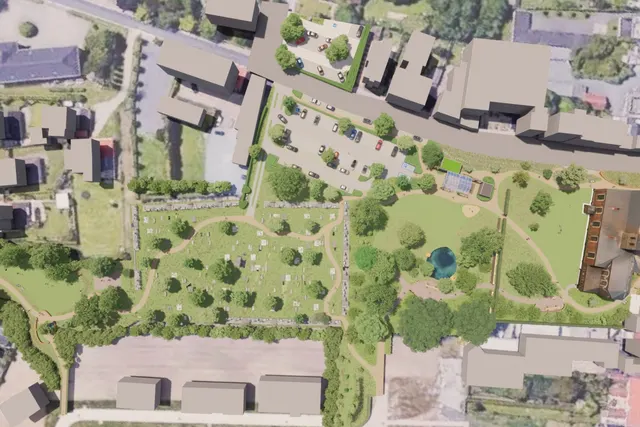
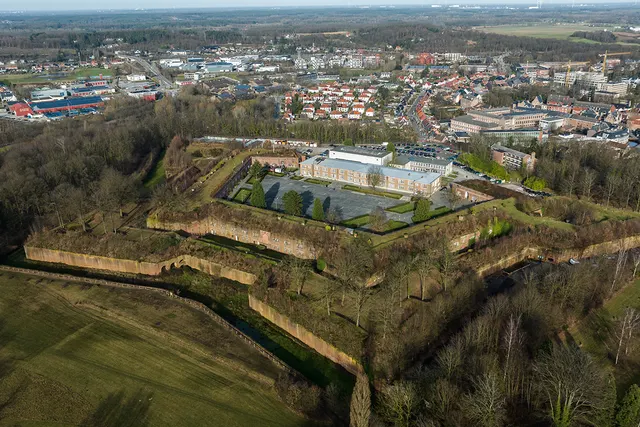
Duffel already boasts a rich variety of natural areas: the Nete winds its way through the municipality, while places such as Muggenbergpark, Mosterdpot, Babbelbeekse Beemden and Fort van Duffel offer residents space and respite from the heat. Even so, the municipal authority wants to go a step further.
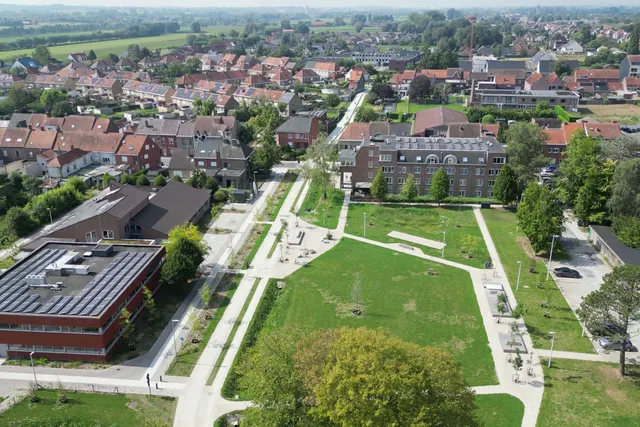
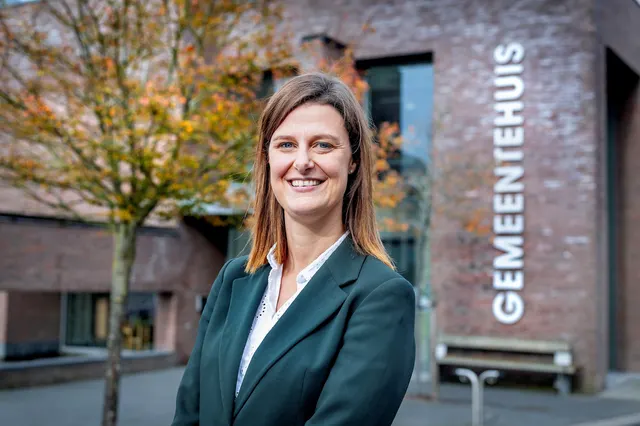
“Our ambition is to bring green space into residential areas too,” says Isabel Glorie, alderwoman for spatial planning, the environment, nature and climate. “You do not always have to think big. Small interventions can often make a big difference, such as creating larger tree pits as part of a new street layout. This not only creates more space for greenery and water infiltration, but also improves quality of life in the neighbourhood.”
Green Corners
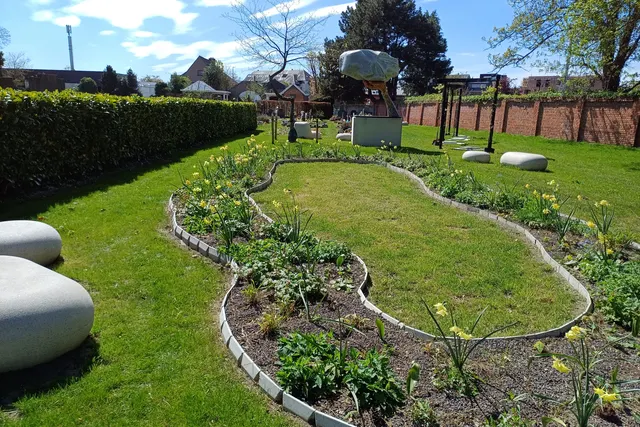
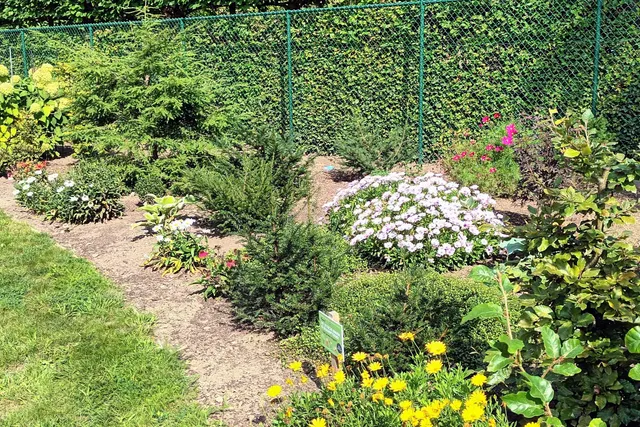
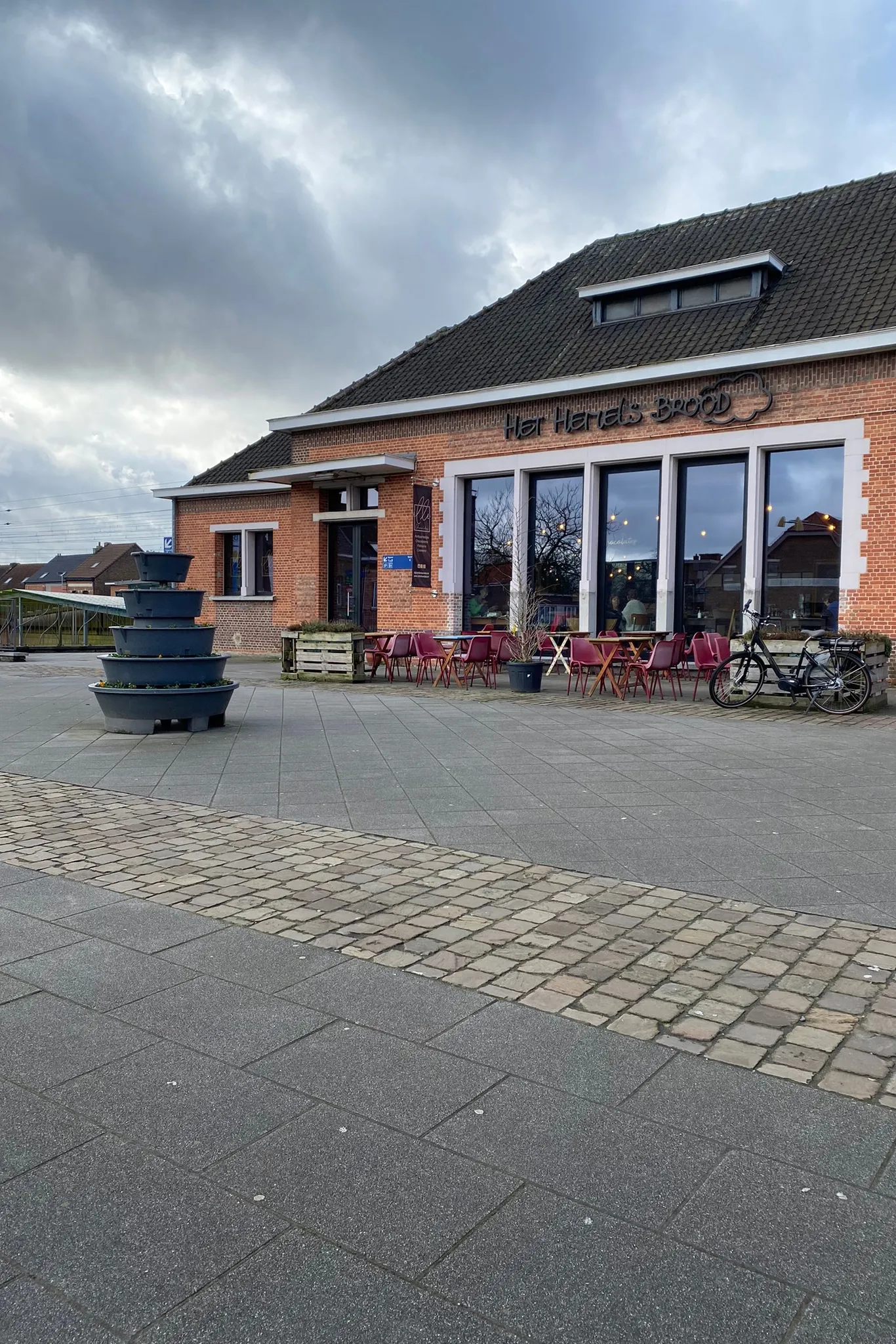
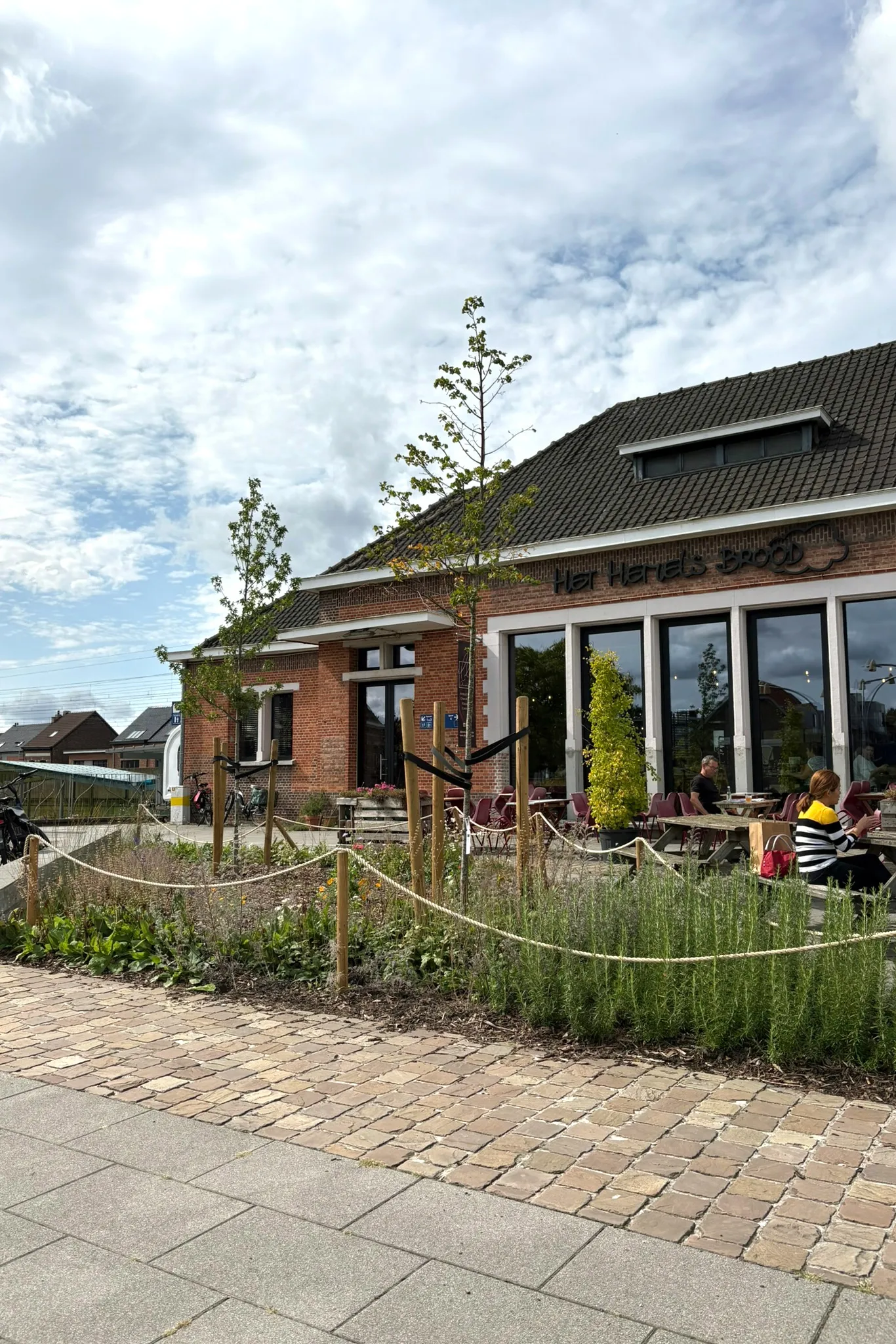
The recent ‘Green Corners’ are a good example. These depaving projects were carried out as part of a campaign by the Province of Antwerp. “The call for proposals coincided with ideas we were already discussing internally, and residents had also made specific requests,” says Glorie. “In the end, we submitted two projects: Stationsplein was given a greener design, and in Provinciestraat three paved street corners were transformed into colourful, natural park entrances.”
According to Glorie, the project’s success is down to collaboration and consultation. “Alongside our own resources and expertise, support from the province is indispensable, both financially and practically. But you also need to involve the right partners to build support, including residents, NMBS and our own technical services. Ultimately, they are the ones who will be responsible for maintenance.”
Green space management in practice
Alderman for public works Luc Van Houtven acknowledges that every additional project brings extra work. “Our parks team is proud of what it has achieved, but of course there is always more work to do, which makes things no easier for them.”
Glorie adds: “That is why it is important to involve them from the outset. For the Green Corners, for example, we changed our choice of plants on the parks team’s recommendation. Sometimes that is to make maintenance easier, sometimes for safety or to improve growing conditions.”
Efficient and flexible
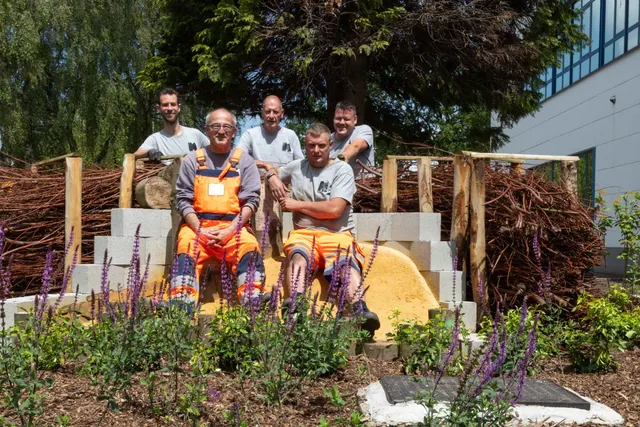
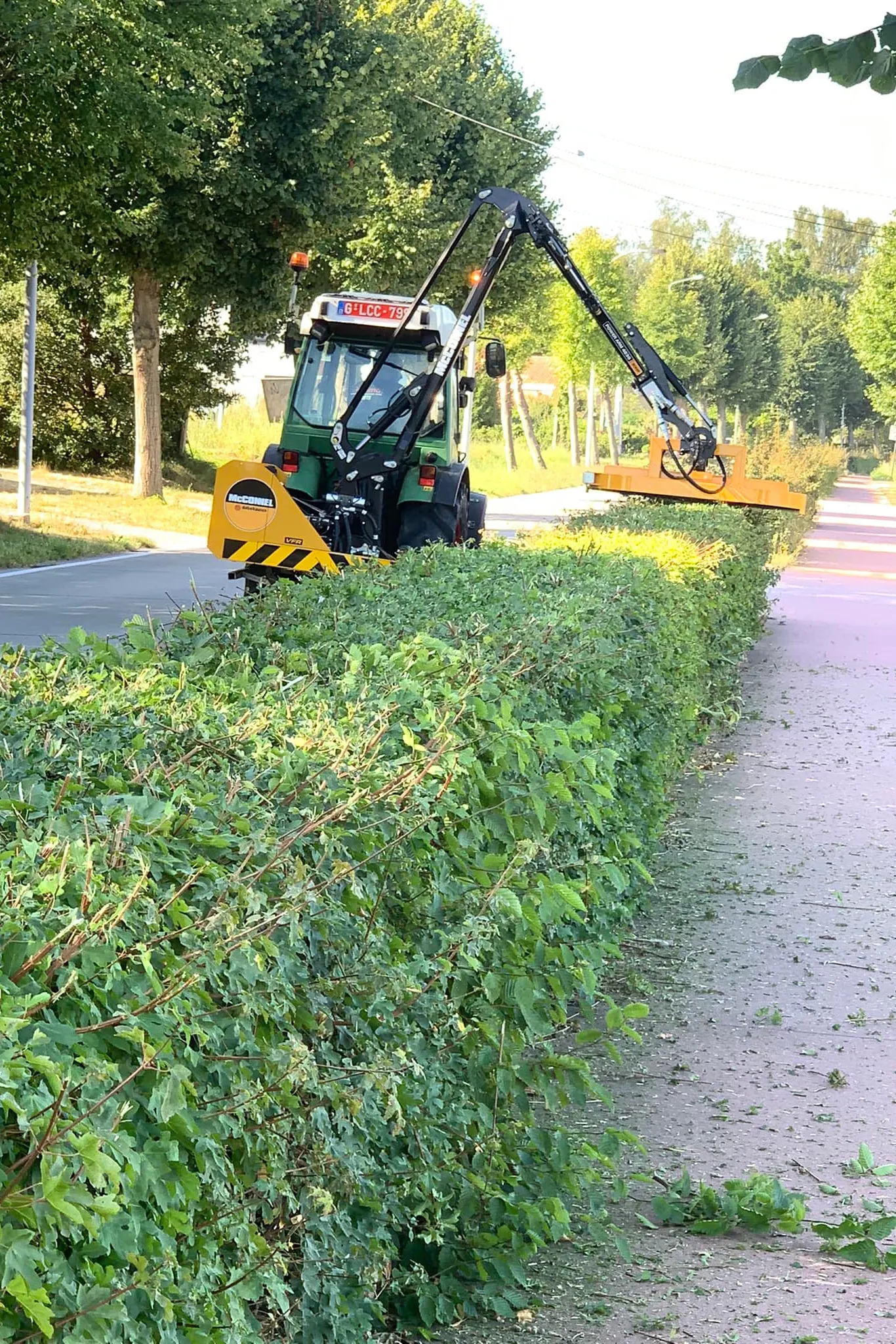
According to Van Houtven, successful green space management also depends on smart collaboration and efficient techniques. “Our technical services step in wherever needed, and we work closely with local sheltered workshops. We also invest in practical equipment, such as planters with water reservoirs, robotic lawnmowers and hedge trimmers. They make our work much more efficient.”
Japanese knotweed, which is spreading along the Nete and elsewhere, remains a persistent challenge. “We have already tried many methods, but there is still no completely reliable solution. For now, it continues to take up a lot of our time.”
Question about this story? Ask your question
Keep following this
Get an email when a new story is published. No account needed.
- ThemeGreen space for everyone
- SubjectCity in the spotlight