Blankenberge looks to the past, present and future
In previous editions, we gave you a glimpse of green initiatives in Leuven, Aalst and Kortrijk. This time, we focus on the priorities in the coastal city of Blankenberge’s green and climate policy, including some surprising projects.
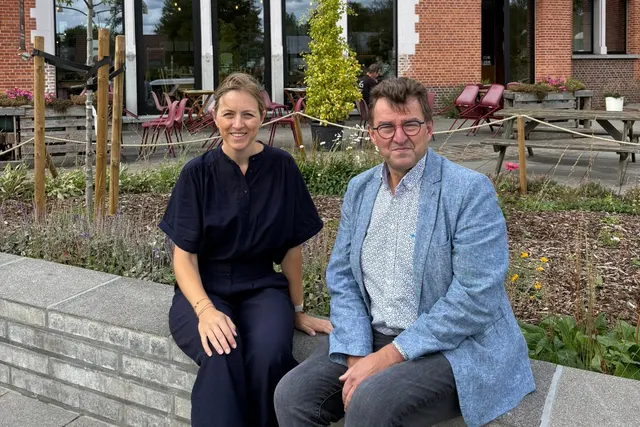
Jurgen Content says he has been active on Blankenberge’s municipal council “since time immemorial”. Along with the mayor, he has served there the longest, since early 2001. He has been a member of the executive board since 2013, with responsibility for the Environment, Public Domain and Green Space Management. The first alderman tells us about the measures making the seaside town greener and more climate-resilient.

Three green lungs
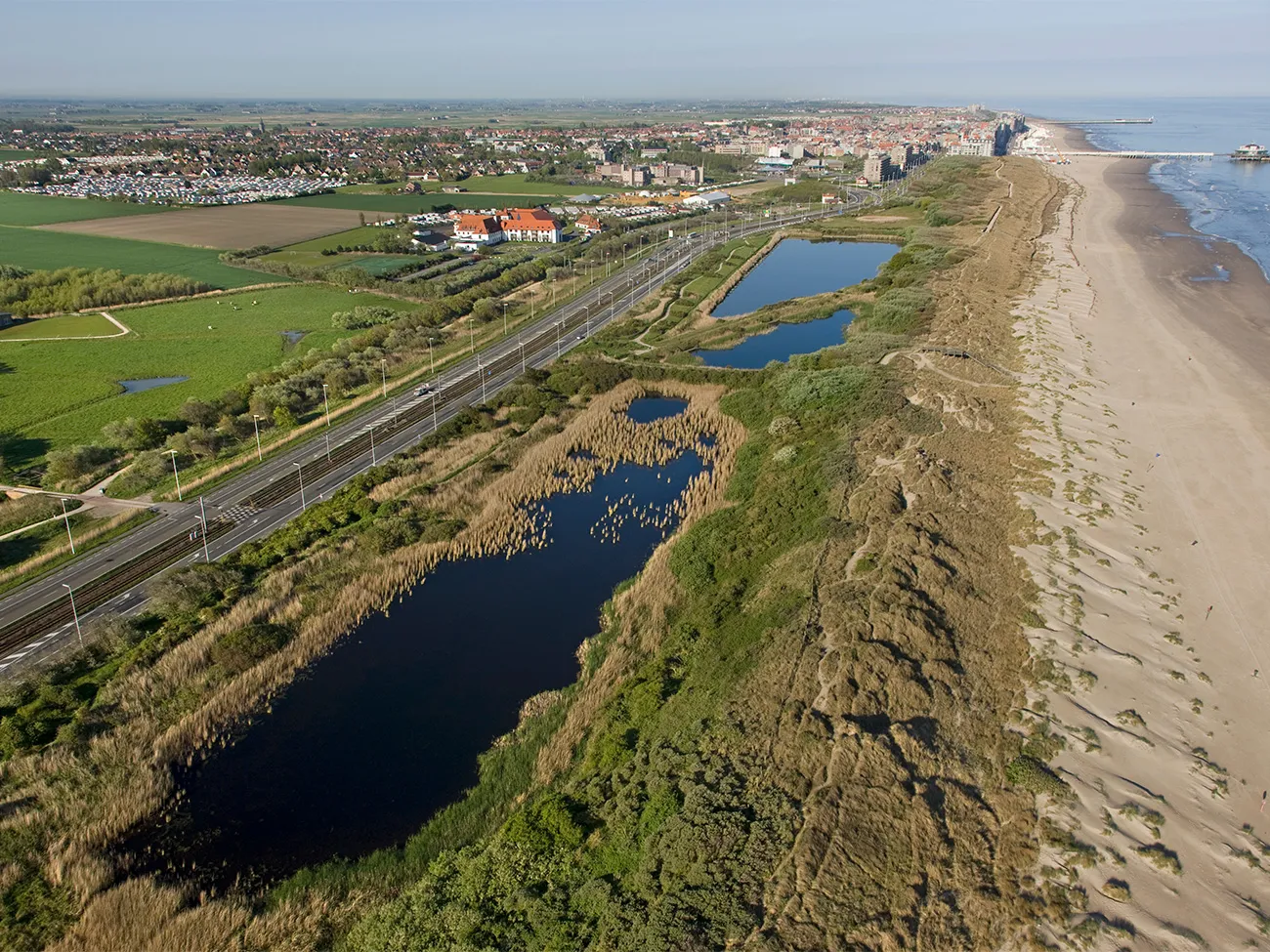
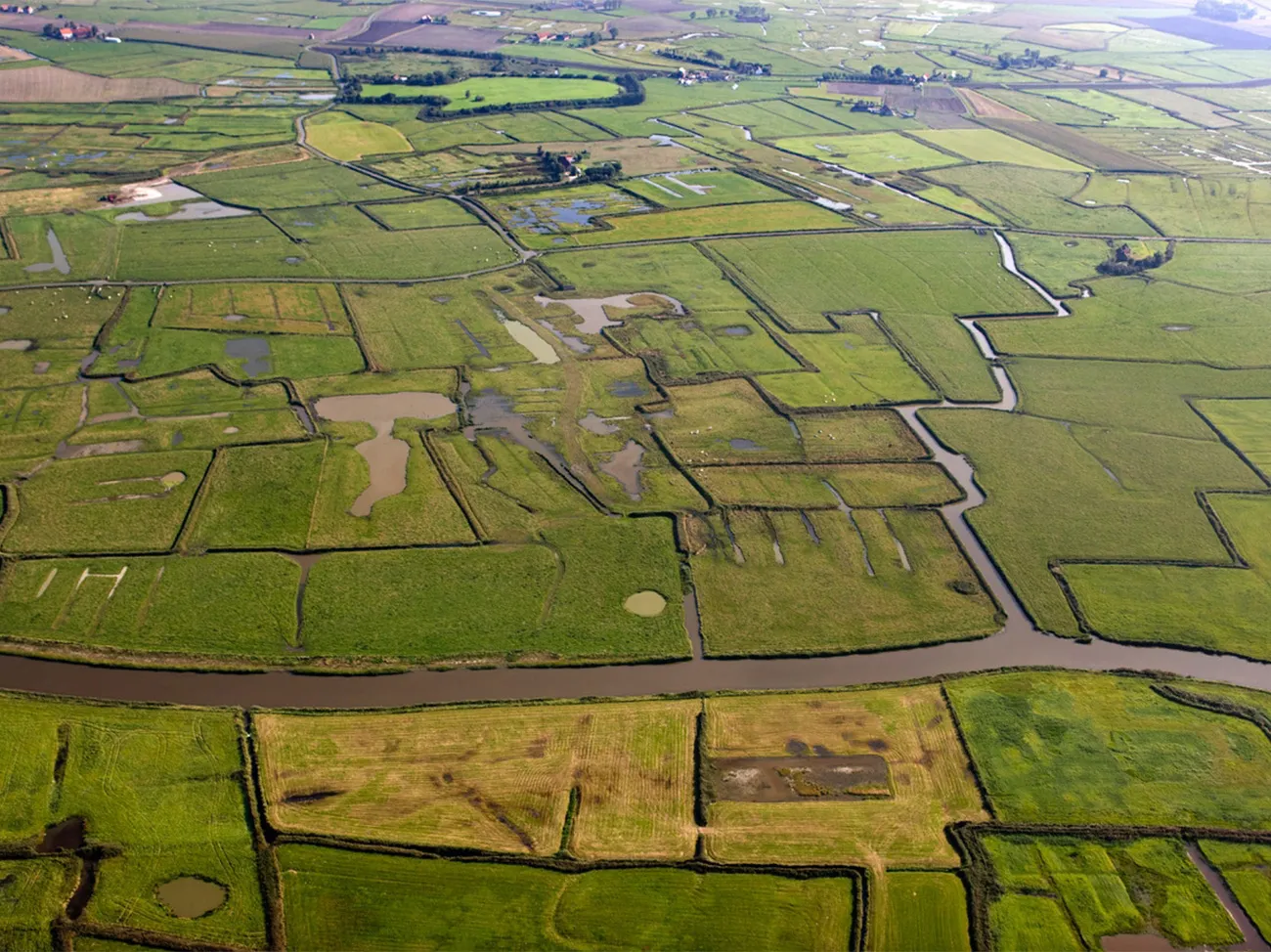
Anyone who thinks Blankenberge is nothing but town and beach is very much mistaken. Jurgen Content explains that the town is surrounded by three large green lungs: the Uitkerkse Polder, De Fonteintjes and the Zeebos.
The Uitkerkse Polder nature reserve is an authentic coastal polder covering 1,400 hectares. Its vast landscape of saltmarsh and rich grasslands is home to numerous meadow birds and a resting place for migratory birds. It is managed by Natuurpunt, as is De Fonteintjes, an elongated dune area with dune pools and wet dune grasslands. Natuurpunt is a partner of the town in nature management and, like other recognised nature associations, can receive grants towards the purchase of nature reserves.
The Zeebos provincial domain was created in the late 1990s to curb the unchecked expansion of the Port of Zeebrugge. First alderman Content now has big news to share: “The woodland, which currently covers 41 hectares, will be expanded by 2 hectares, with 7,500 additional trees.”
Depaving and greening
Blankenberge is making a strong commitment to depaving. The town is setting a good example with several major projects. “For instance, a whole traffic lane between Blankenberge town centre and the De Fonteintjes nature reserve will soon make way for an additional dune ridge and a cycle path.”
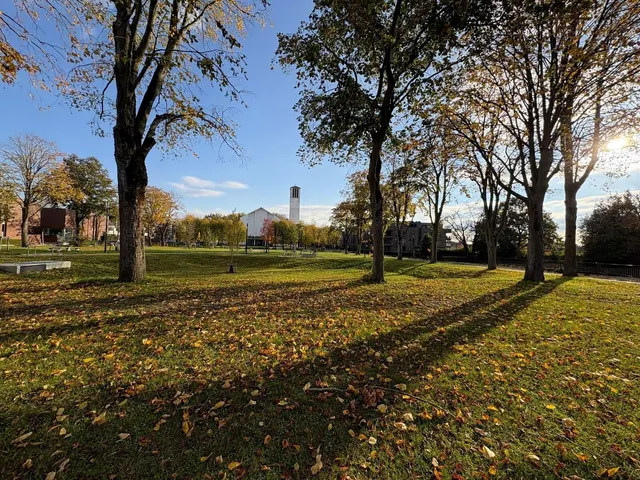
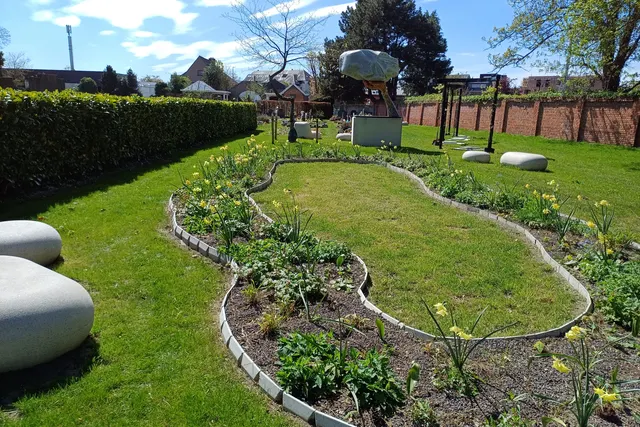
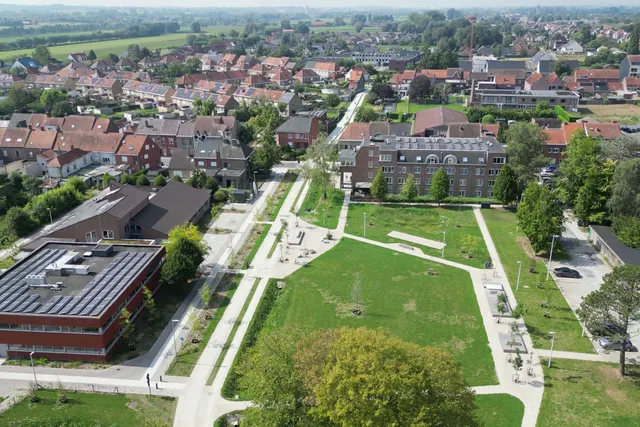
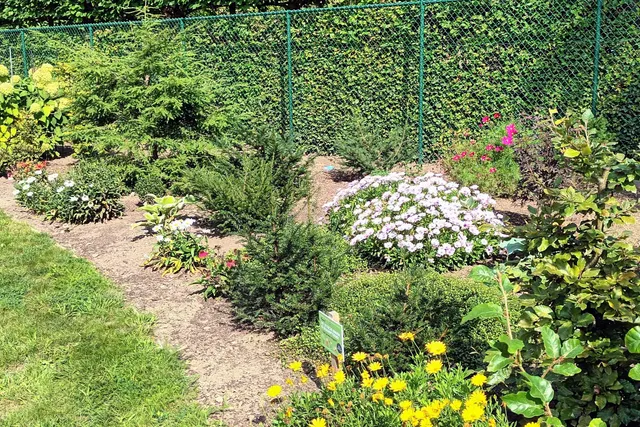
Public spaces are usually greened as part of the renewal of pavements, streets and squares. Alderman Content explains how they approach planting new trees: “We have learnt that it is best to consult residents, otherwise you can end up with complaints afterwards, for example about a lack of parking spaces or shade on solar panels. When we recently realised that the trees in the Schilderswijk had to be felled because they had grown too large, we asked residents for their views. Fortunately, most preferred to see at least the same number of trees planted in their place.” So there is plenty of work for the parks department, and not just in the Schilderswijk. By 2024, the parking spaces on Grote Markt will be moved underground, making way for plenty of greenery above ground.
Environmental grants
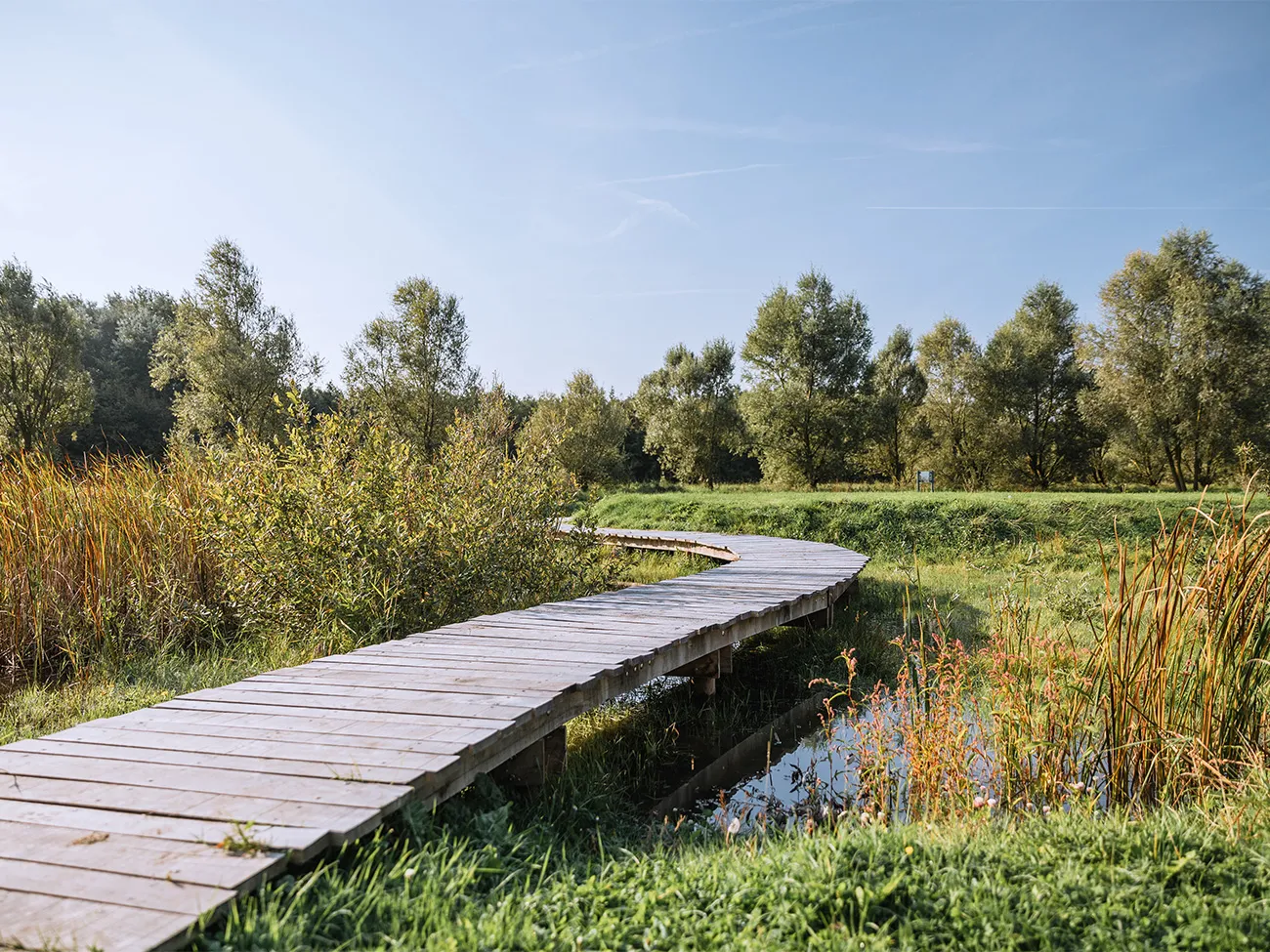
In addition to energy grants for homes, Blankenberge also offers environmental grants for measures that boost biodiversity and the value of nature and landscapes. “We reward residents for protecting swallow nests and creating green roofs and small landscape features such as hedges, tree belts and the traditional pollarded willow rows that are part of the historic character of the rural area,” says Jurgen Content.
Rising sea levels
The town respects its green present and past, then, but it is also looking to the future. It is taking warnings about rising sea levels seriously. The ‘Topkust’ project sets requirements for construction projects along the coastline to ensure they are ‘water resilient’. And, together with AMDK, the Agency for Maritime and Coastal Services, the town is integrating flood defences into the coastal landscape.
The alderman explains: “We are fortunate in Blankenberge, because our sea wall is around three metres above beach level; in other Belgian coastal towns, it is only twenty centimetres. Even so, we are raising the slope of the sea wall to make it climate-resilient. We make sure that the flood defences we install do more than just hold back water: we also give them a function for walkers and tourists, as well as an attractive appearance, so it is not obvious that they are actually part of the coastal defences.”
Question about this story? Ask your question
Keep following this
Get an email when a new story is published. No account needed.
- SubjectCity in the spotlight