Brasschaat, a town rich in trees
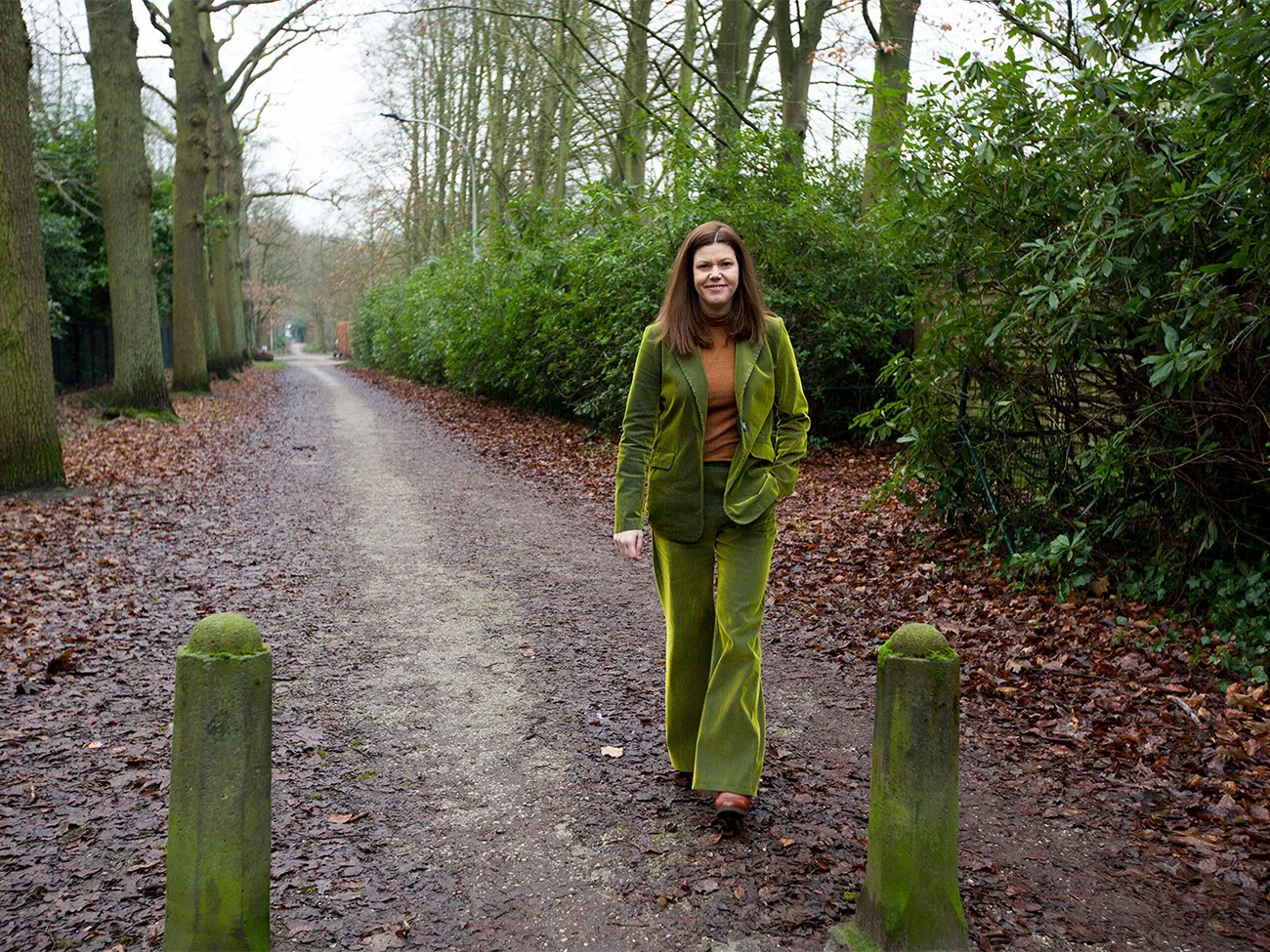
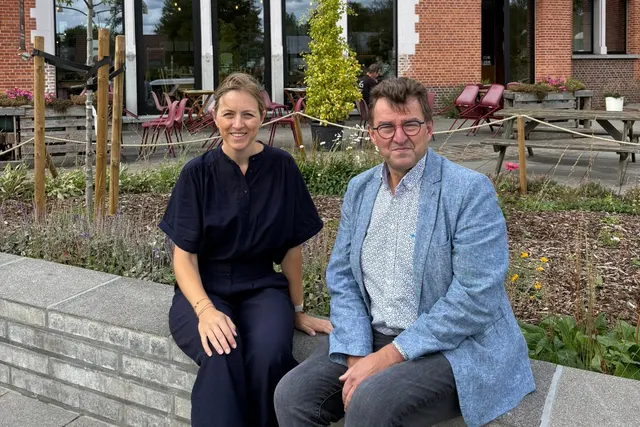
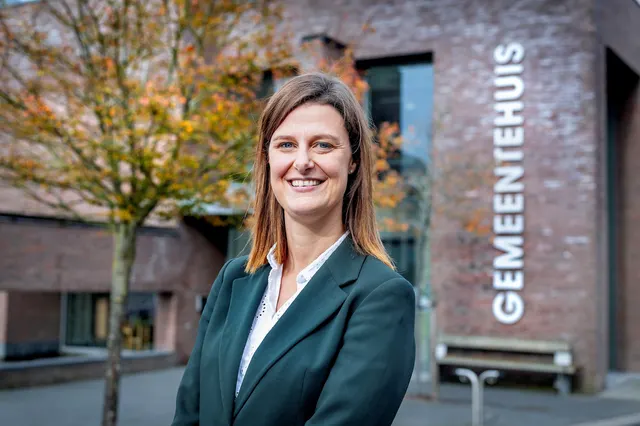
In every edition of ‘City in the Spotlight’, we hear from a city or municipal council and ask about the initiatives being taken to strengthen nature conservation, biodiversity or green space management. This time, we speak to Goele Fonteyn, Alderman for Green Spaces and Nature in the Antwerp municipality of Brasschaat.
Goele Fonteyn, a trained classical philologist, has been a member of Brasschaat municipal council since 2010. In 2019, as the third alderman, she was given responsibility for Property, Mobility, Infrastructure, Sustainability, and Green Spaces and Nature. That means a range of local responsibilities, with trees regularly taking centre stage.
“Of Brasschaat’s 3,885 hectares, no less than 1,188 hectares are covered by woodland. In addition, almost every street has tree-lined avenues. There are around 34,000 trees in total, or 38,000 if you include the trees in parks. That is almost one tree per resident. Much of our attention therefore goes to managing and preserving this green heritage.”
Woodlands and afforestation
The Flemish Government’s woodland expansion plan challenges cities and municipalities to create a substantial amount of additional woodland by 2024. But what if your woodland cover, at 30%, is already well above the Flemish average of 9.7%?
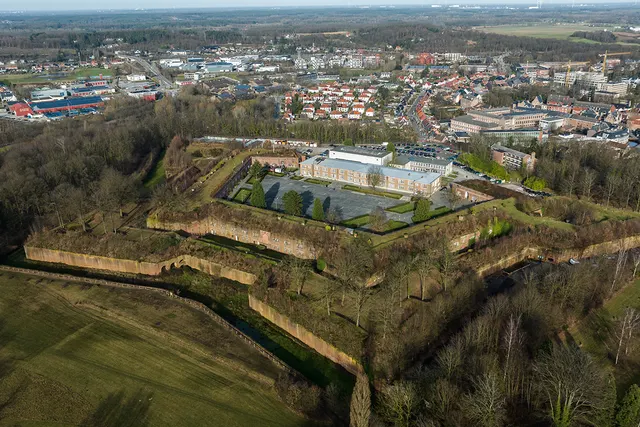
“With existing green spaces such as Peerdsbos, De Mik, the municipal park and the Kaartse woods, there is indeed very little room left in our municipality for adding large areas of woodland,” says Goele Fonteyn. “Our woodland expansion projects are therefore relatively small in scale, such as the recent addition of 22,000 m2 of woodland along the Kaartse Beek, with 5,500 native trees and shrubs.”
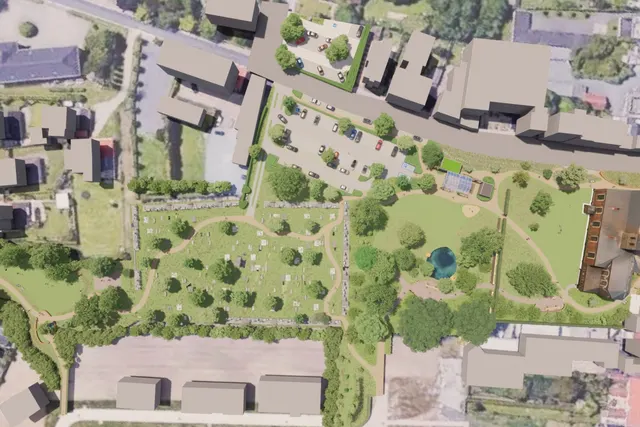
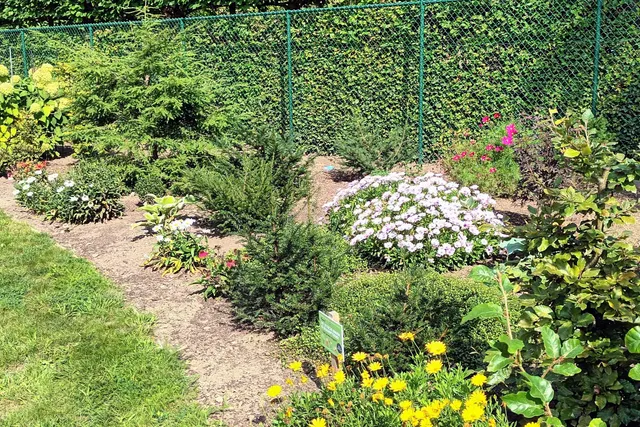
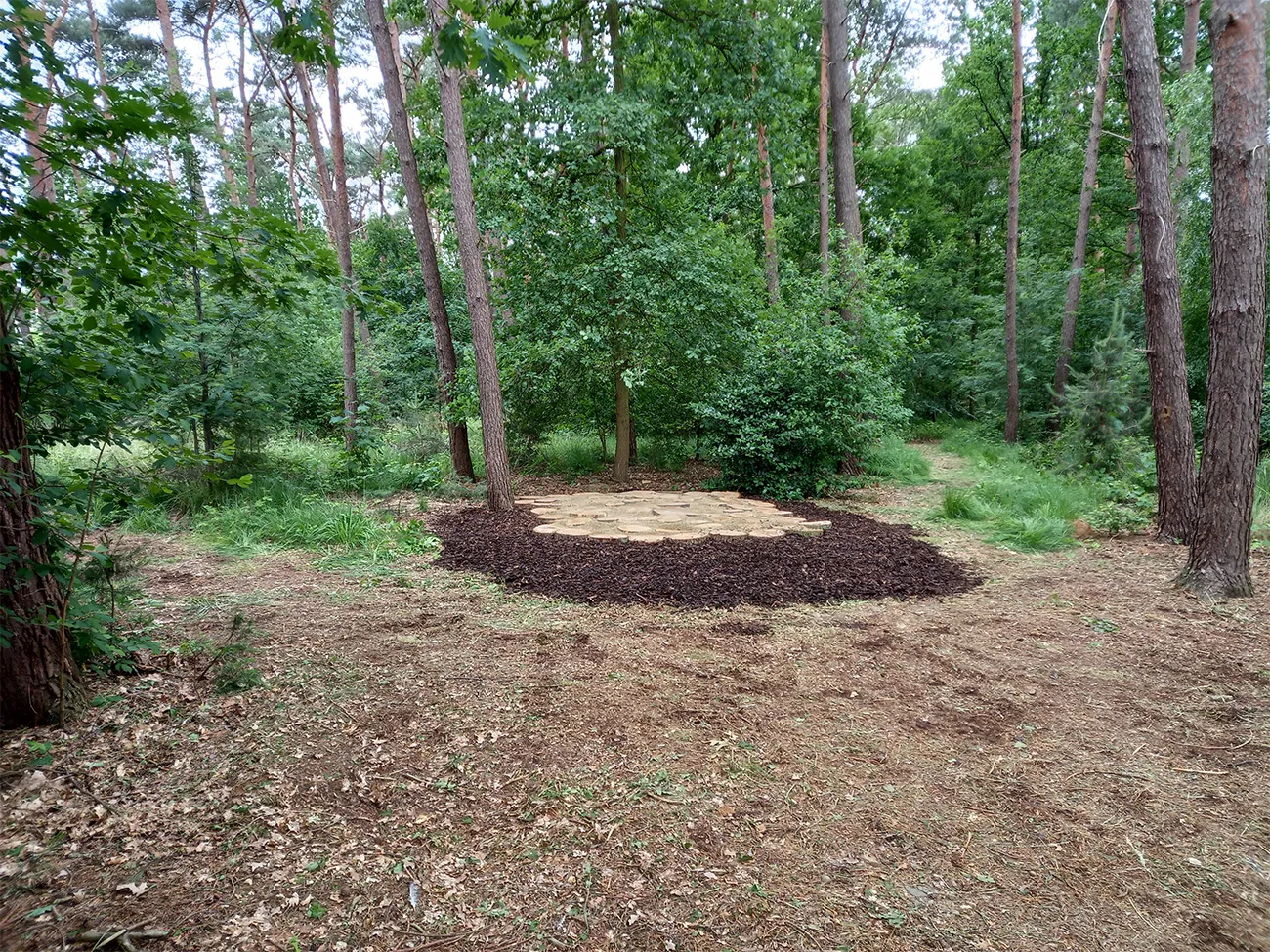
For existing woodlands, the focus is mainly on management, restoration and use. For example, the woodland beside Rustoord cemetery was converted into a woodland cemetery in 2021, while the natural features of the historic park and De Mik estate are being restored. “This includes clearing the pond, removing invasive species and restoring the original sightlines. As this is a protected heritage landscape, the work has to follow historical guidelines. Unfortunately, these are not always easy to reconcile with the 21st-century climate.”
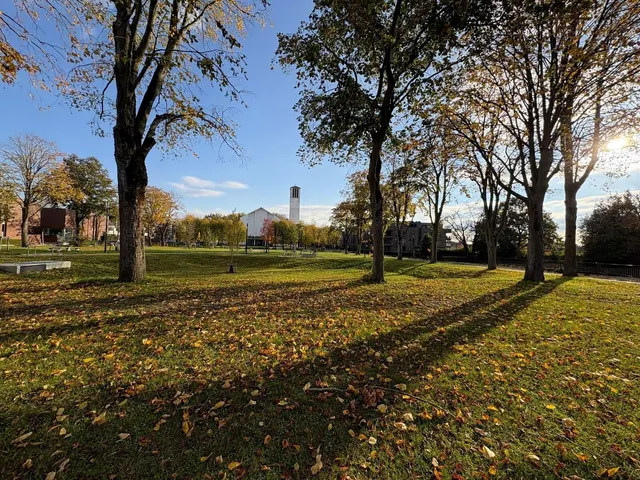
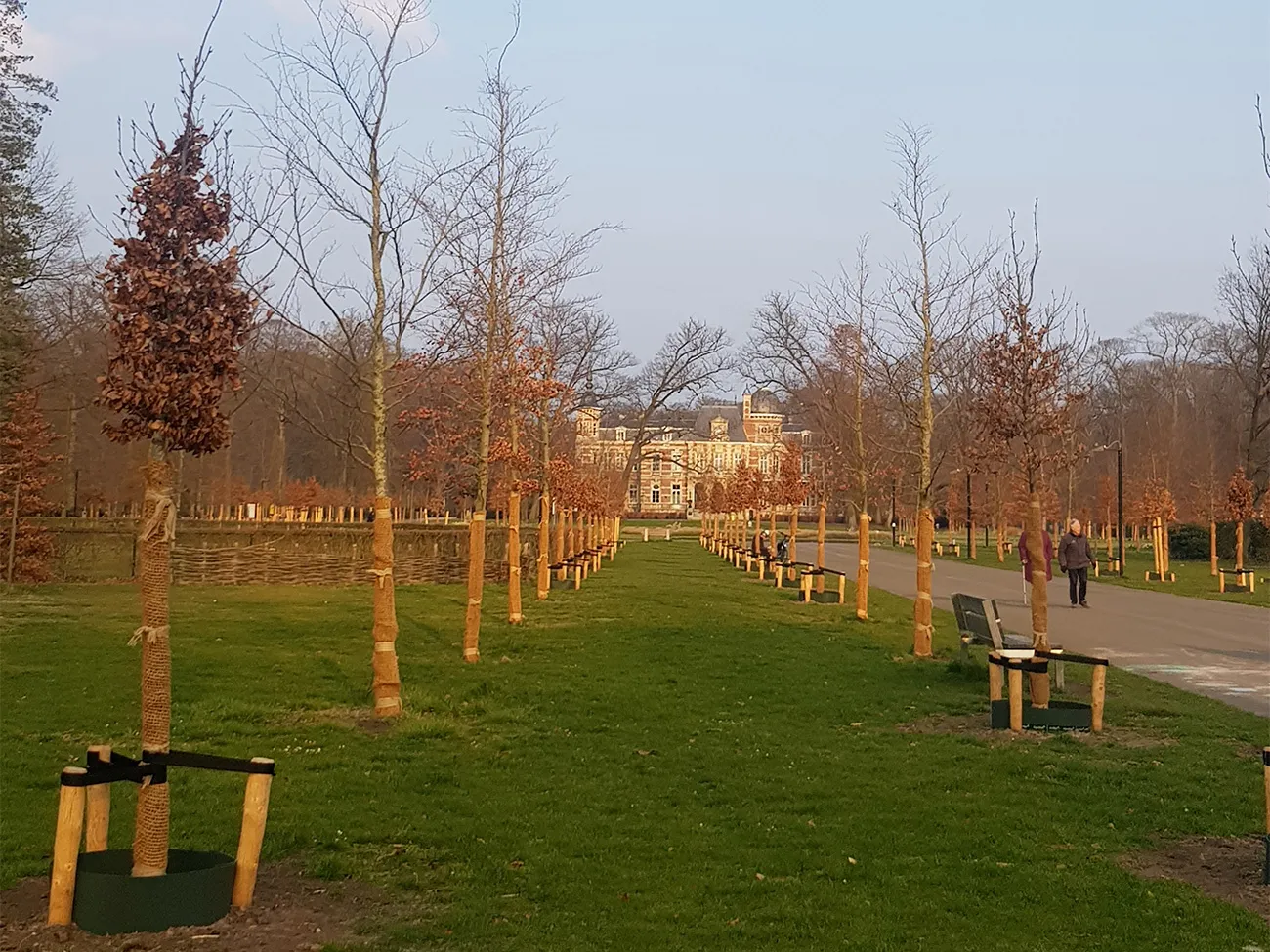
Goele Fonteyn saw this at first hand in the municipal park. “Many of the trees planted according to the historic plans along Hemeldreef and Graaf Reusensdreef proved insufficiently resilient to today’s weather conditions. We therefore had to wrap the new trees along Graaf Reusensdreef in coconut-fibre mats to protect them.”
A clear overview
Brasschaat has a tailored management plan in place for every woodland and park in the municipality, and the same applies to its many avenue trees.
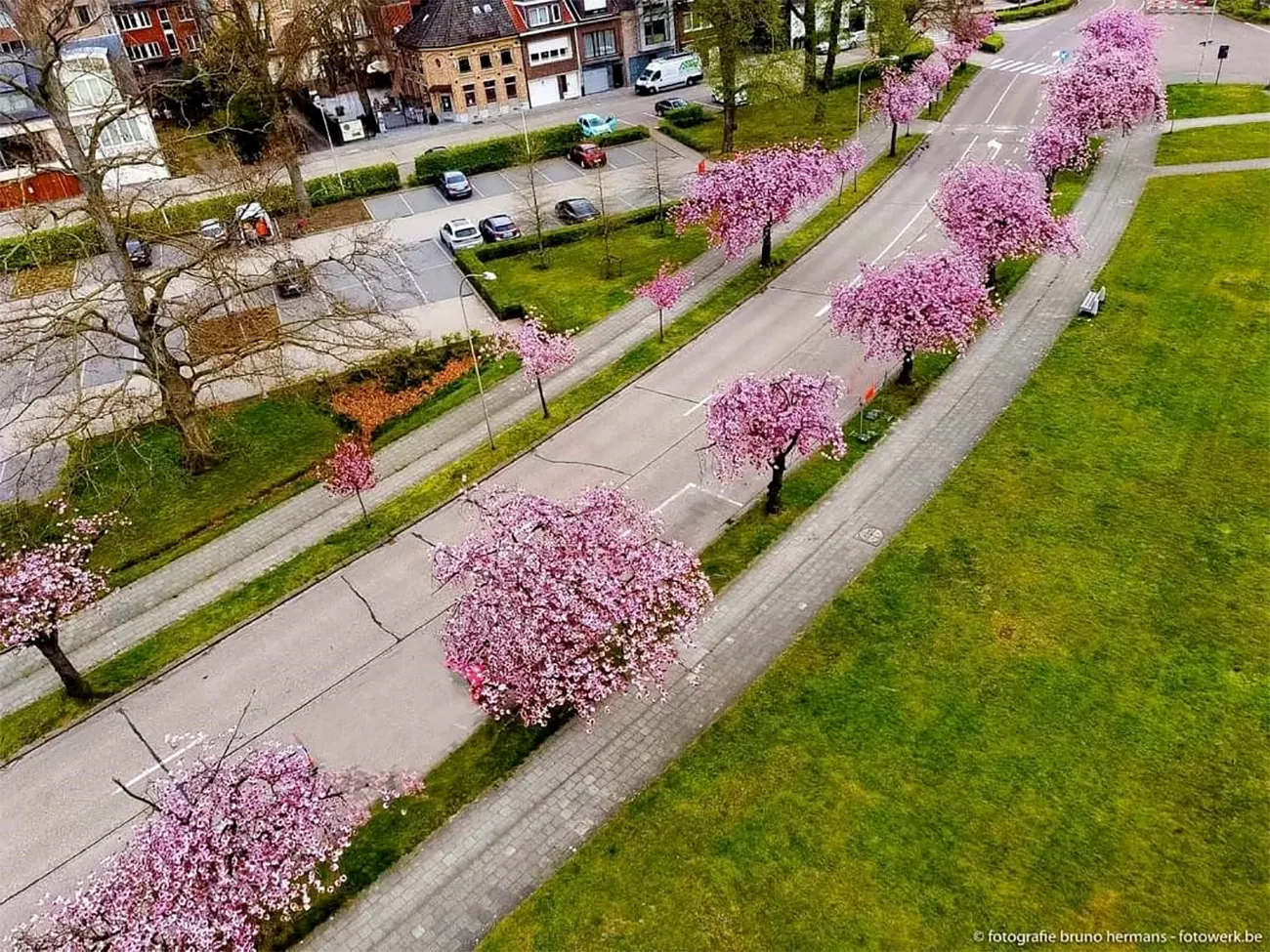
“The avenue trees, more than 34,000 in total, representing 224 different species and consisting largely of mature native trees, are characteristic of Brasschaat and contribute to both quality of life and biodiversity in our municipality. Good management and maintenance of these trees is essential, but organising it can be a challenge given their number and the many parties involved. It is not just our own parks department that has to deal with them: some of the maintenance is outsourced to a social enterprise, and the existing planting also has to be taken into account during roadworks and utility works.”
To ensure that management and maintenance run smoothly, Brasschaat municipality drew up a comprehensive, detailed management plan for its avenue trees.
“The plan specifies, street by street, which trees are present, what additional planting could or should be added in future, how and when maintenance should be organised, and how greenery should be handled during works. It is not only a useful tool, but also very user-friendly, as it can now be consulted digitally. That makes things much clearer for all our partners!”
Question about this story? Ask your question
Keep following this
Get an email when a new story is published. No account needed.
- ThemeGreen space for everyone
- SubjectCity in the spotlight