Ghent is the first local authority with a Green Spatial Implementation Plan
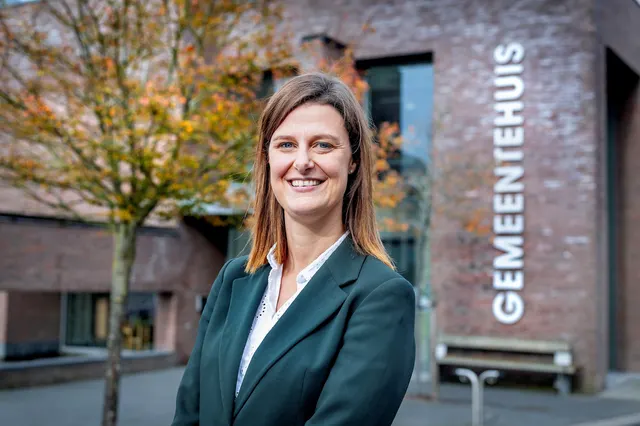
In each edition of City in Focus, we hear from a city or municipal authority and ask about the initiatives being taken to promote enjoyment of nature, biodiversity or green-space management. This time, we speak to Astrid De Bruycker, Ghent’s alderman for Equal Opportunities, Wellbeing, Participation, Community Work and Public Green Space. At the presentation of the Flemish Forest Labels on 14 October, her city was the only one to receive a silver award.
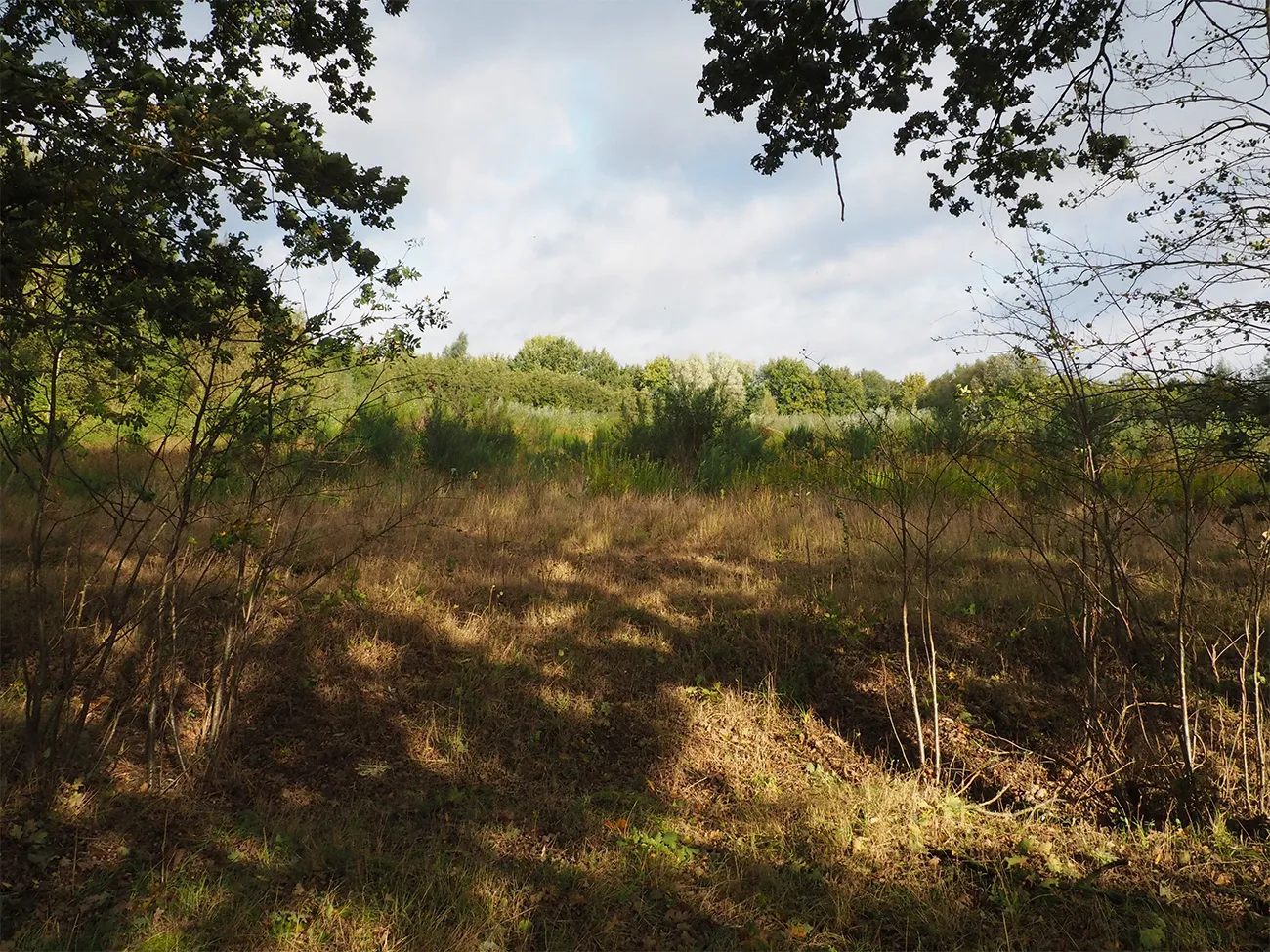
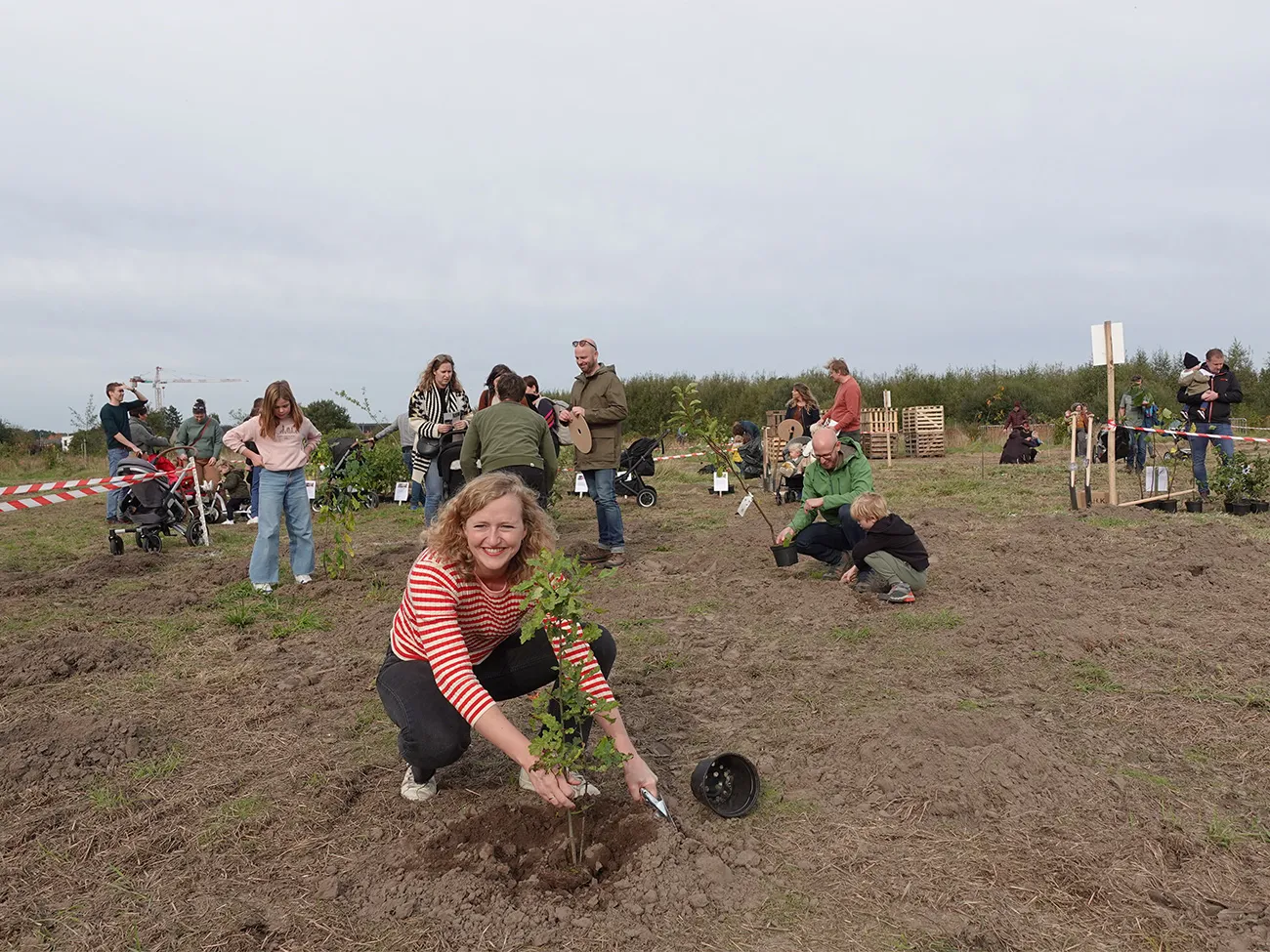
The Flemish Forest Labels were awarded as part of the Flemish Government’s Forest Plan, recognising local authorities that plant new forests within their own boundaries. The silver Forest Label corresponds to planting at least 5 ha of new forest in 2019-2020, although Ghent, with a total of 9 ha, was not far off a gold award (for 10 ha or more of new forest). “What’s more,” adds Astrid De Bruycker, “this covers only new planting carried out by the city itself. In collaboration with partners such as the Flemish Agency for Nature and Forests, Natuurpunt, the VLM and the port, more than 34 ha were added in total over that period.”
Green space at every scale
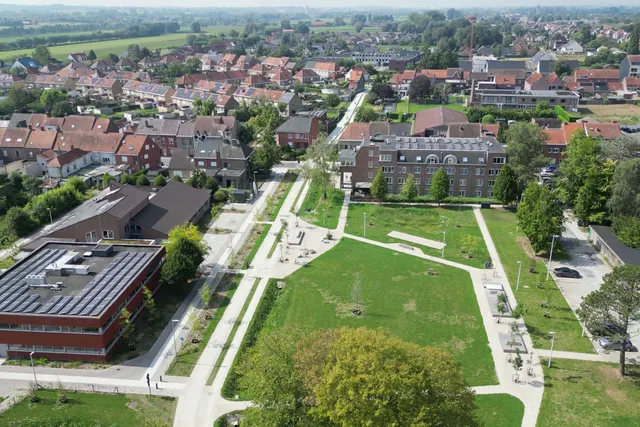
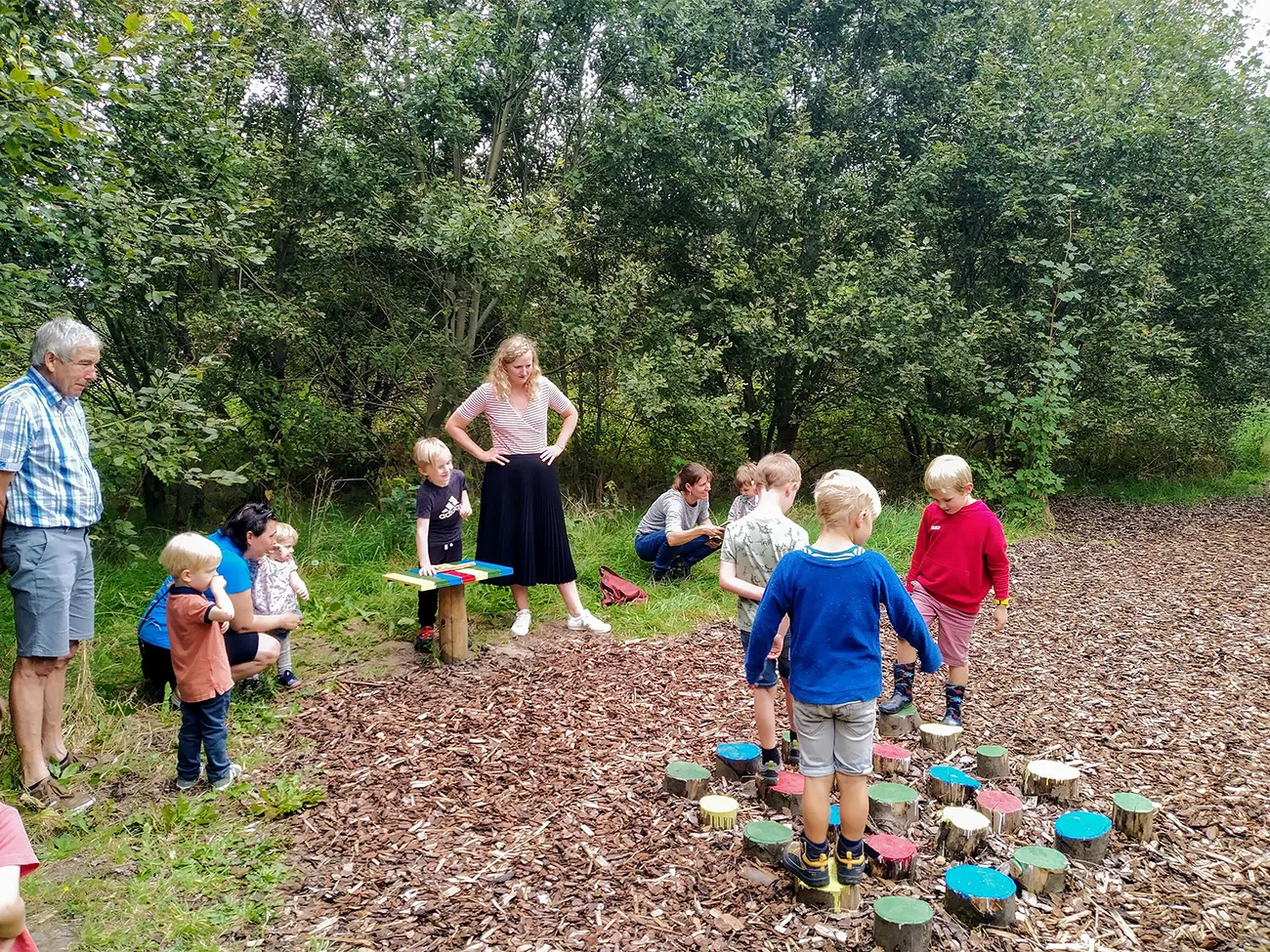
De Bruycker attributes the success of the afforestation campaign to her city’s long-term planning. “Since 2012, Ghent has used the Green Structure Plan, a framework for creating green space for our residents at every scale. This includes a commitment to provide a large green hub, a park or nature area of at least 100 ha, within a maximum of 5 kilometres of every home. We are now planting forests in these green hubs, with the aim of afforesting an additional 90 ha by the end of this council term and having a total of 1,260 ha of forest by 2030.”
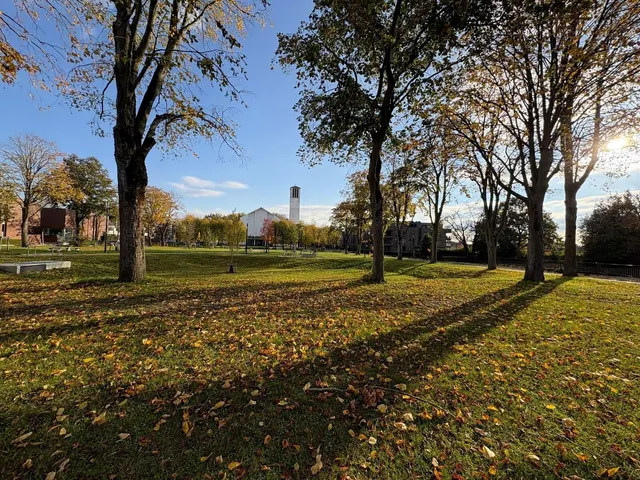
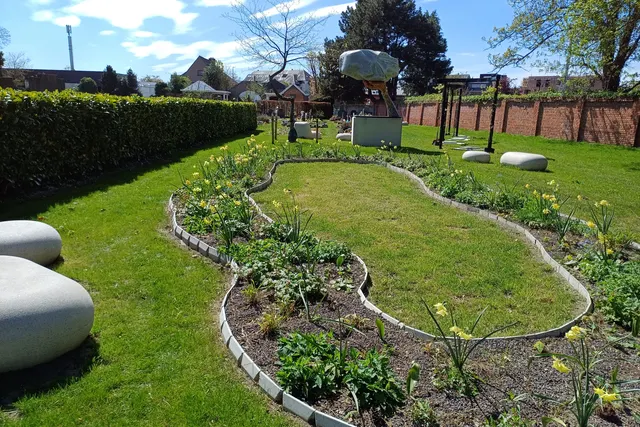
The Green Structure Plan also focuses on interventions in densely built-up neighbourhoods and at a smaller scale, to counter the effects of climate change and the urban heat island effect, and to provide residents with enough green space for recreation. “That might mean a small green play area just around the corner, for example. The plan also includes a firm commitment to provide a neighbourhood park of at least 1 ha within a maximum of 400 metres of every resident.”
The right zoning designation
De Bruycker identifies two key challenges in achieving these ambitions: acquiring land designated for forest on the one hand, and its planning designation on the other. Among other reasons, Ghent drew up a Green Spatial Implementation Plan (RUP Groen). “The RUP protects existing green areas in planning and legal terms, while enabling new ones to be developed. This means that the share of land designated as green space will increase by 20 per cent at a stroke.”
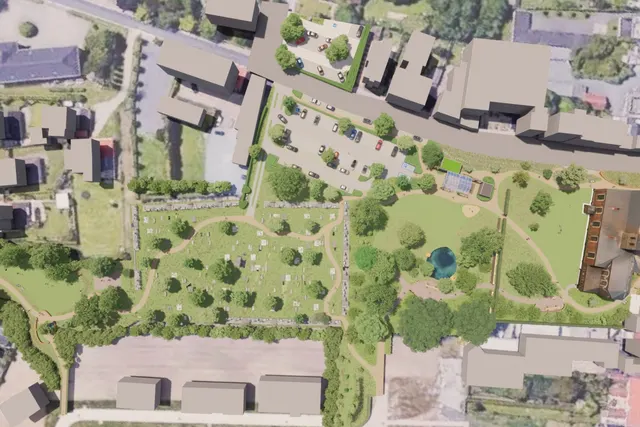
For example, 109 ha of existing publicly accessible green space, such as a current park designated as residential land under the Regional Plan, will be rezoned. A further 148 ha of valuable nature and forest will receive the necessary protection, for example by giving the city a right of pre-emption on privately owned land. The Green Spatial Implementation Plan also makes it possible, in planning terms, to create an additional 113 ha of green space.
Putting the concrete freeze into practice
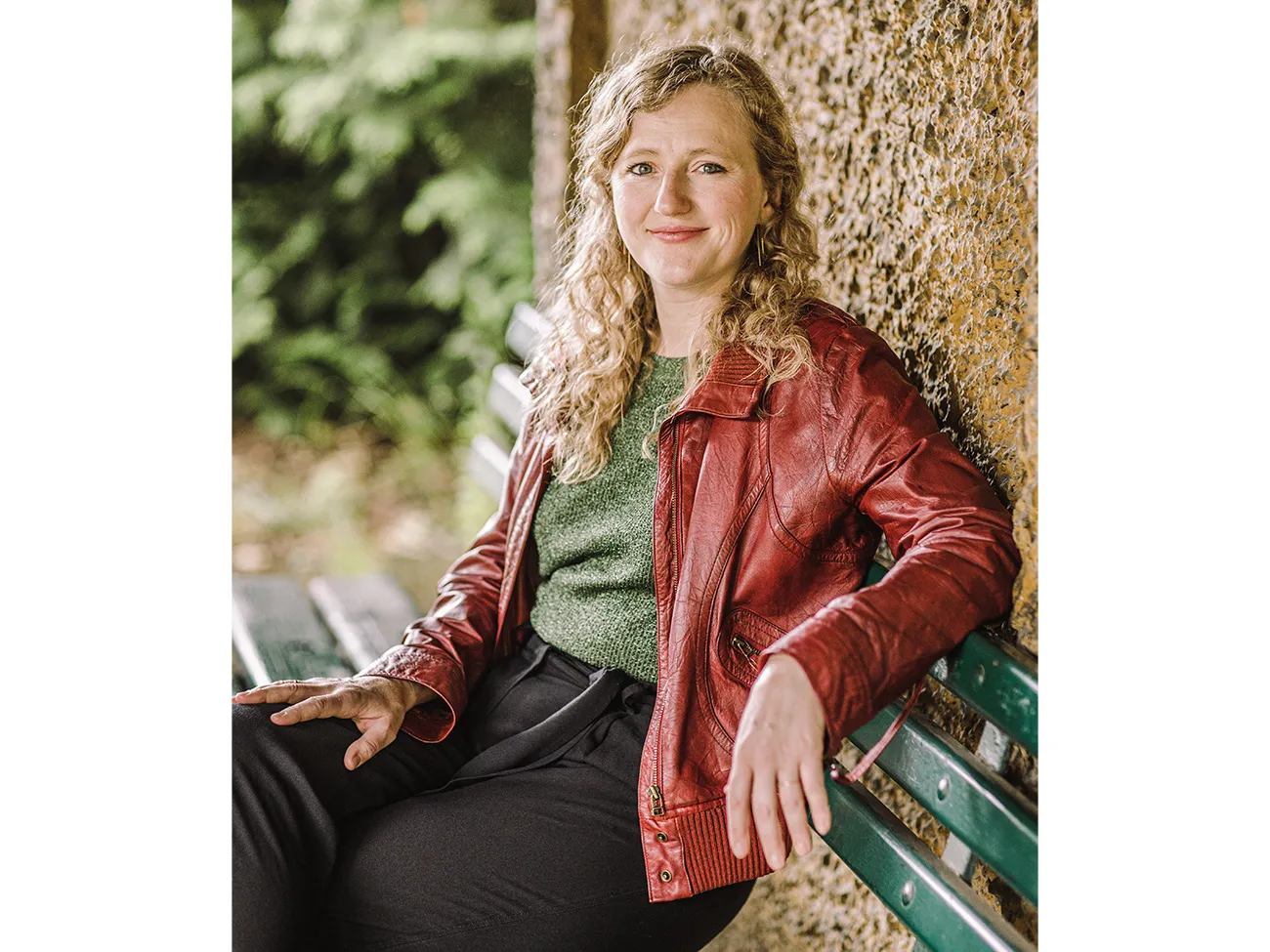
“Overall, the Green Spatial Implementation Plan provides long-term legal protection and therefore a guarantee for future generations. Anyone wishing to build, subdivide land, start commercial activities or alter the landscape will have to take the plan into account. In other words, you could see it as a concrete freeze in practice.”
Ghent’s Green Spatial Implementation Plan has already received strong support from residents and was definitively approved by the municipal council on 28 September 2021. “The approval is expected to be published in the Belgian Official Gazette in December, after which it will come into force. Implementation itself will be spread over approximately two six-year council terms, with priority given to the newly planned green spaces.”
Question about this story? Ask your question
Keep following this
Get an email when a new story is published. No account needed.
- SubjectCity in the spotlight