How Maaseik aims to become Belgium’s green gateway
Text Elise NoyezImage Maaseik
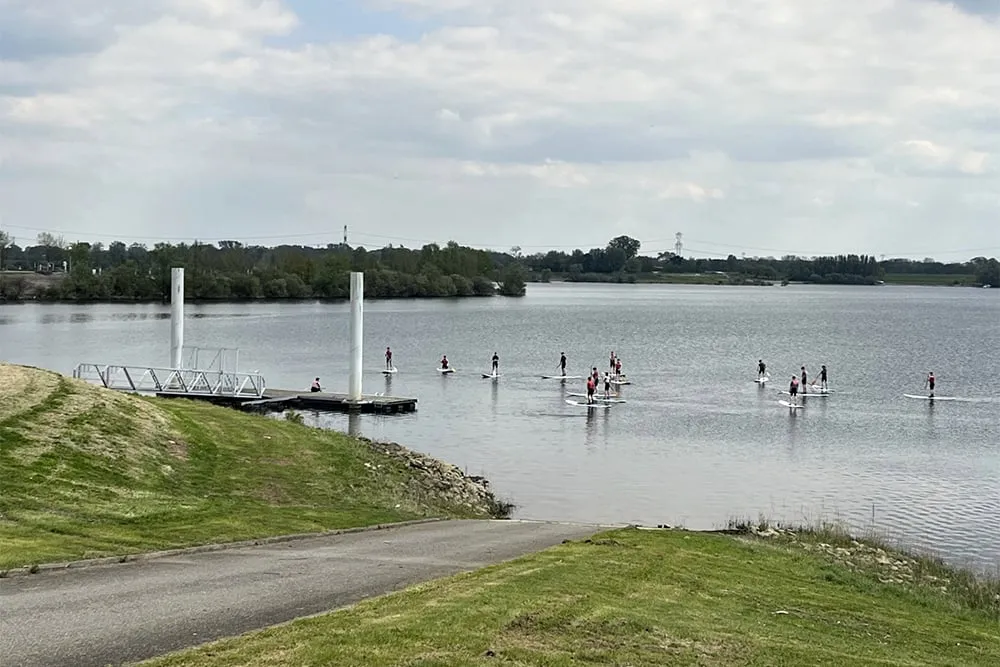
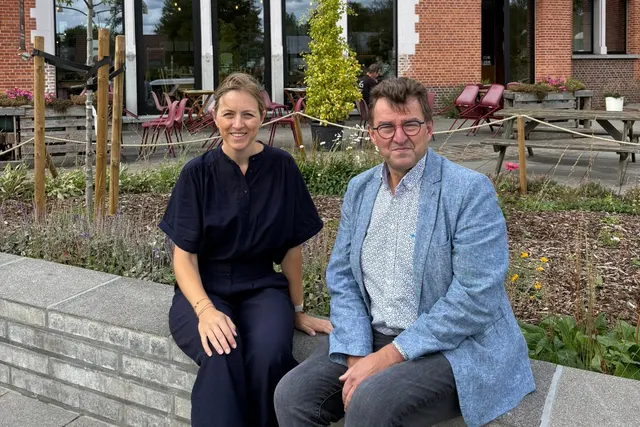
In our City in the Spotlight feature, each edition gives a city or municipal authority the floor to discuss initiatives to strengthen nature management, green spaces and biodiversity. Maaseik seized the opportunity to redevelop the disused hospital site east of the city centre as a park. The initiative will not only bring more green space to the centre, but also strengthen its connection with the Meuse, say alderman Edgard Stijven and head of Green Space Management Marc Roussard.

The Meuse clearly plays an important role in Maaseik’s landscape. Located on the river’s left bank, the city owes the river not only its name, but also its rich history and recreational appeal. This is particularly evident today to the north-east of the centre, where the inner bend of the Meuse has been developed as a water recreation area, including a marina and campsite. However, where the Meuse comes closest to the city centre, the connection is less apparent. Around the Pater Sangersbrug, roads and buildings still form a barrier. “Fortunately, that is about to change,” says Edgard Stijven, alderman for Public Works. “With a number of projects, we want Dutch visitors entering Belgium via the bridge to see straight away that Maaseik is a green city.”
Hospital site to become city park
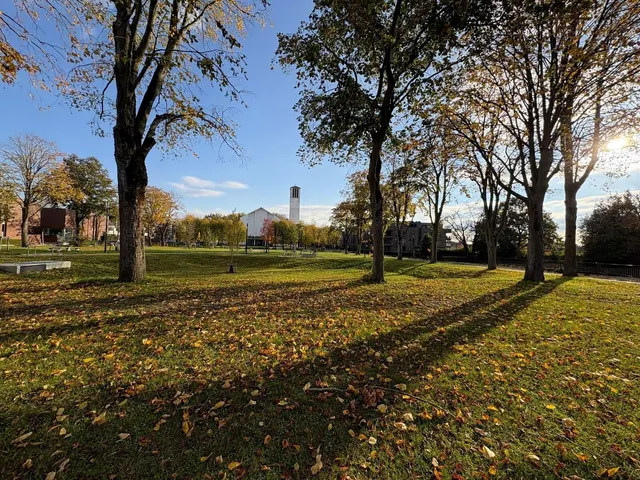
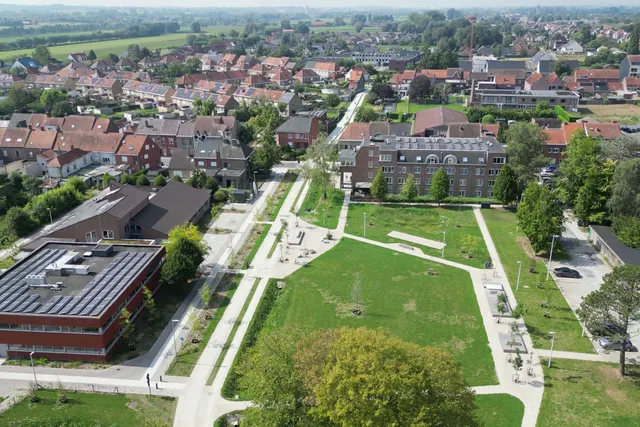
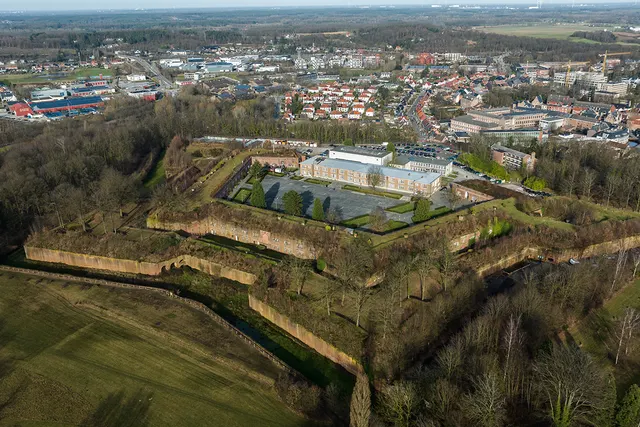
The largest project is just north of the bridge. Edgard Stijven says: “When the new hospital was built and the old building proved unsuitable for another use, it was decided to redevelop the entire site as a green space. In the coming months, the buildings will be dismantled and demolished, after which the ground will be excavated to a depth of 30 centimetres and a green open space created. It will be very simple at first, but in time it is set to become a vibrant two-hectare city park.”
The project will not take its final form straight away, due to timing. “To qualify for demolition subsidies, work had to start on time. As a result, we did not have enough time to produce a final design. We also want to involve local residents closely in the process. Over the coming months, public information evenings will give them a say in exactly what the park should look like.”
“What we do know for certain,” adds Marc Roussard, head of Green Space Management, “is that the park needs several large trees to create a park-like feel, and that we want to establish a connection with the Meuse. This will happen visually at the very least, but we are also looking at ways to make it a physical connection.”
Colourful Meuse riverbank
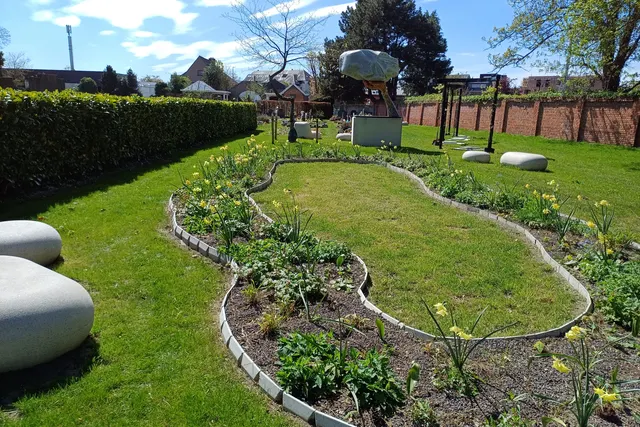
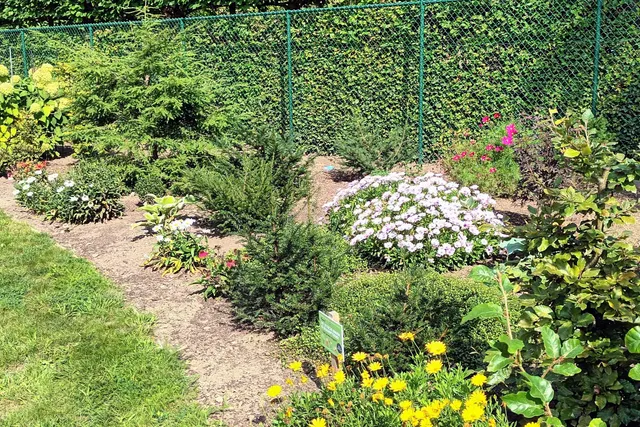
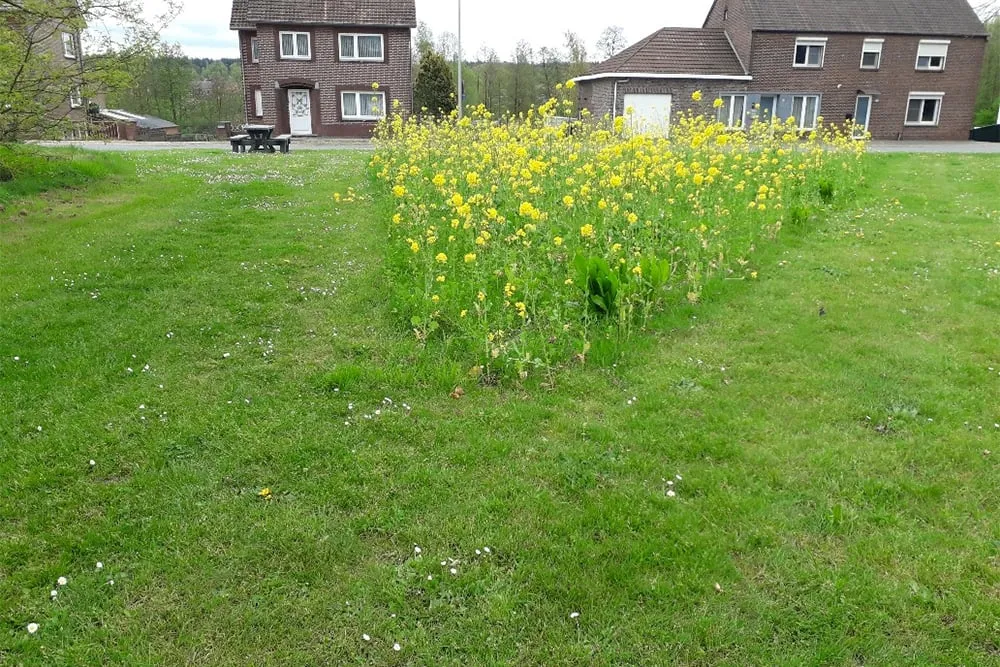
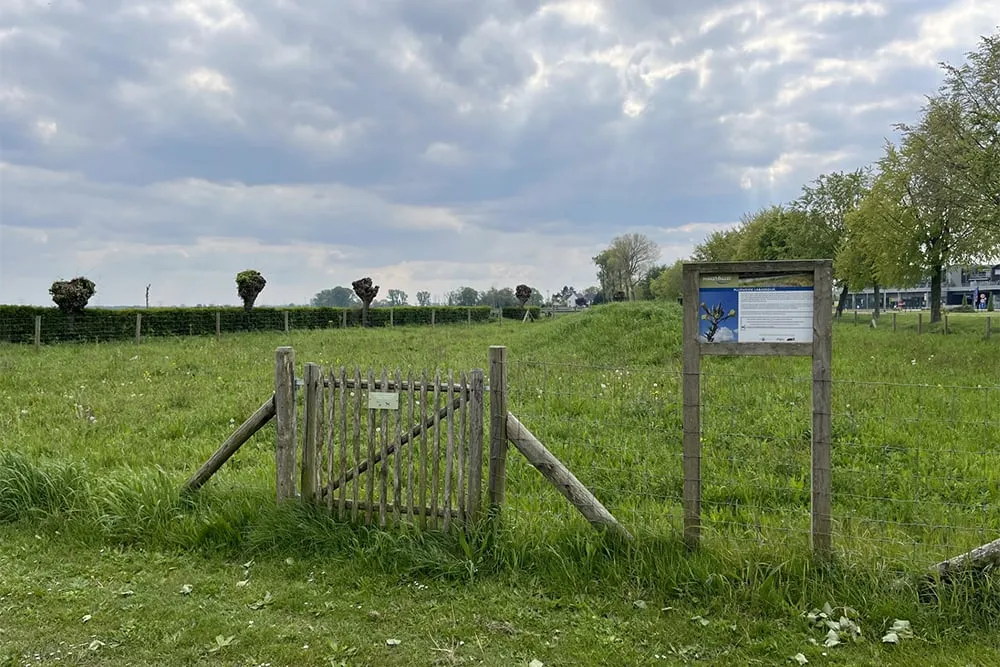
South of the Pater Sangersbrug, which is itself due to be renovated soon, a direct connection of this kind is already in place. The Labaerdijk is an important cycling and walking route along the banks of the Meuse, offering views of the historic Maaskade and the Konik horses grazing in the area. It has recently even become a wedding venue. Marc Roussard says: “The area already has plenty of appeal. Our focus now is on future-proof landscaping and adding more colour. We recently created a pick-your-own meadow where residents can gather flowers and herbs for their own use.”
Greening at every scale
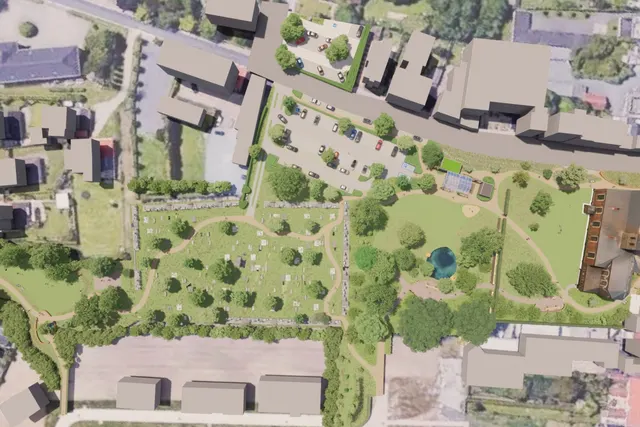
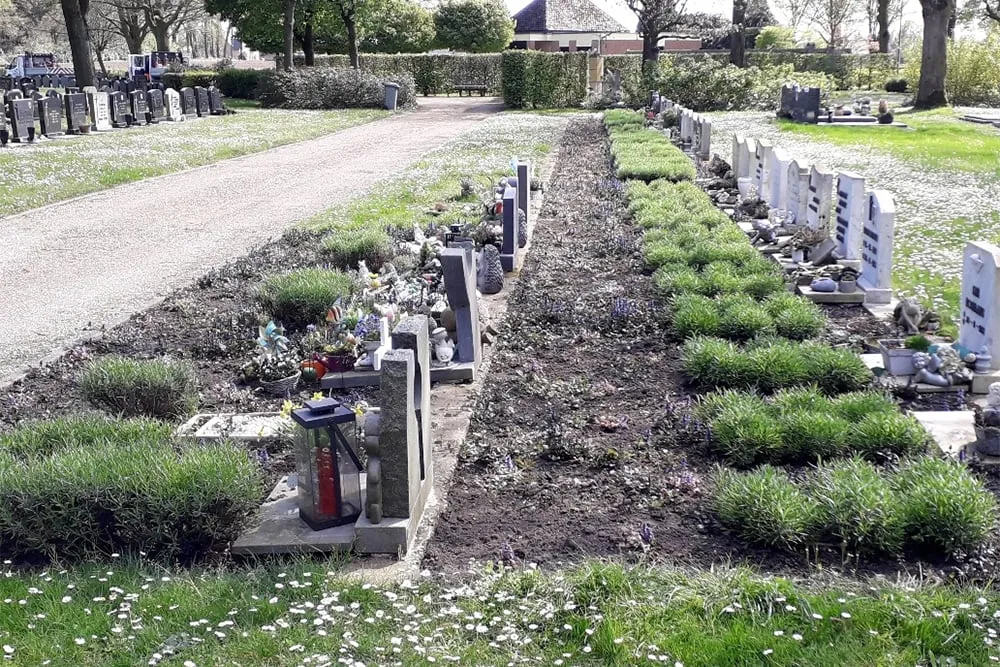
Finally, to complete Maaseik’s role as Belgium’s green gateway, there are plans to transform Bleumerstraat, which links the Pater Sangersbrug with the market square, into a green walking area. “Historically, Maaseik has had quite a lot of hard surfaces,” Edgard Stijven admits. “We want to change that through projects both large and small.” Marc Roussard adds: “Alongside the initiatives around the Pater Sangersbrug, we are also planning new park and square areas in the various districts through consultation with residents. We are looking for sites for the 35 climate trees we receive from the province of Limburg each year, and many gravel paths in the cemeteries have recently been replaced with low-growing, traffic-tolerant planting.”
“Meanwhile, of course, we are also working to get local residents more enthusiastic,” concludes Edgard Stijven. “We do this through initiatives such as a community garden, the option to adopt a green space, and subsidies for removing paving. These small initiatives make a difference too!”
Question about this story? Ask your question
Keep following this
Get an email when a new story is published. No account needed.
- ThemeGreen space for everyone
- SubjectCity in the spotlight