Kontich’s wet dream
Text Elise NoyezImage Gemeente Kontich
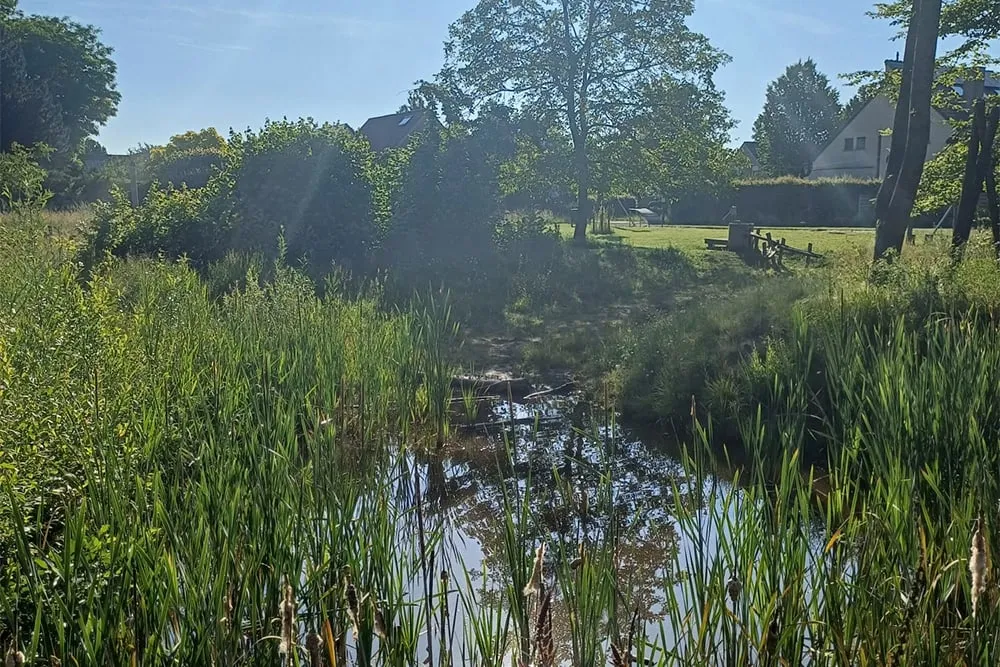
Geographical location makes infiltration and water storage a central concern
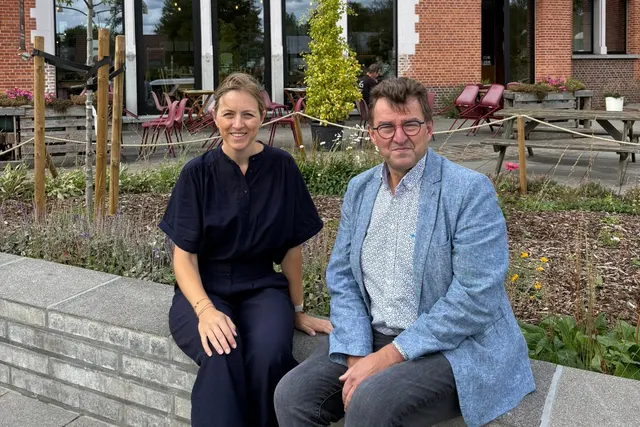
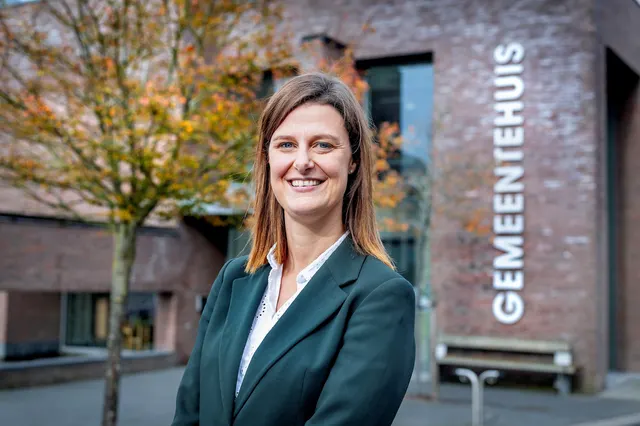
In our City in the Spotlight feature, each edition we hear from a city or municipal authority about the initiatives it is taking to strengthen nature management, green spaces and biodiversity. The municipality of Kontich has adopted a distinct blue-green approach, focused on retaining as much water as possible on site. Both Wim Claes, alderman for Green Space Management, and Sophie Baeckelmans, alderman for the Environment, as well as environmental officer Johan Asselberghs, put this approach into practice in their work.
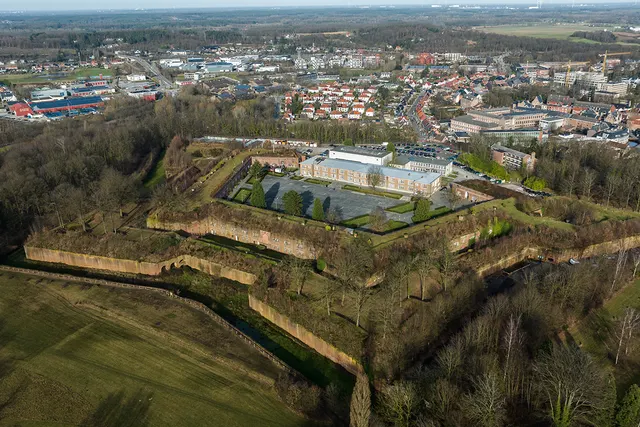
Heavily urbanised Kontich, a municipality covering around 24 square kilometres and home to 21,000 people, bordering the Antwerp conurbation, lies on a geographical cuesta ridge. The area drains south and east towards the Nete, while the waterways flow towards the Scheldt to the north and west. “During periods of heavy rainfall, this, combined with the relatively high proportion of paved surfaces in our municipality, can sometimes cause flooding in lower-lying areas,” says Sophie Baeckelmans. “When it is dry, on the other hand, we have hardly any reserves, and our centre acts as a heat island. Many of our efforts are therefore aimed at limiting run-off and strengthening our own stream valleys.”
Investing in wetland areas
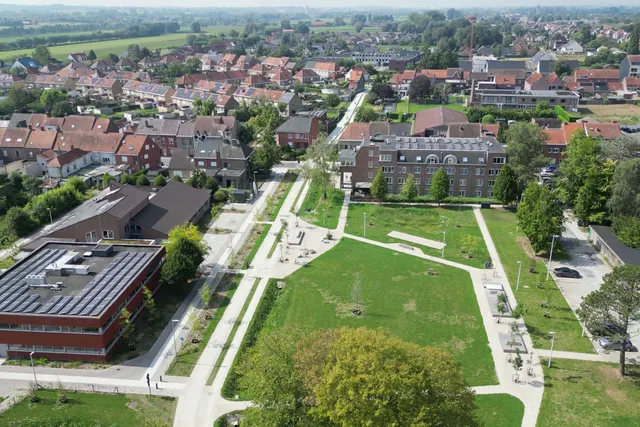
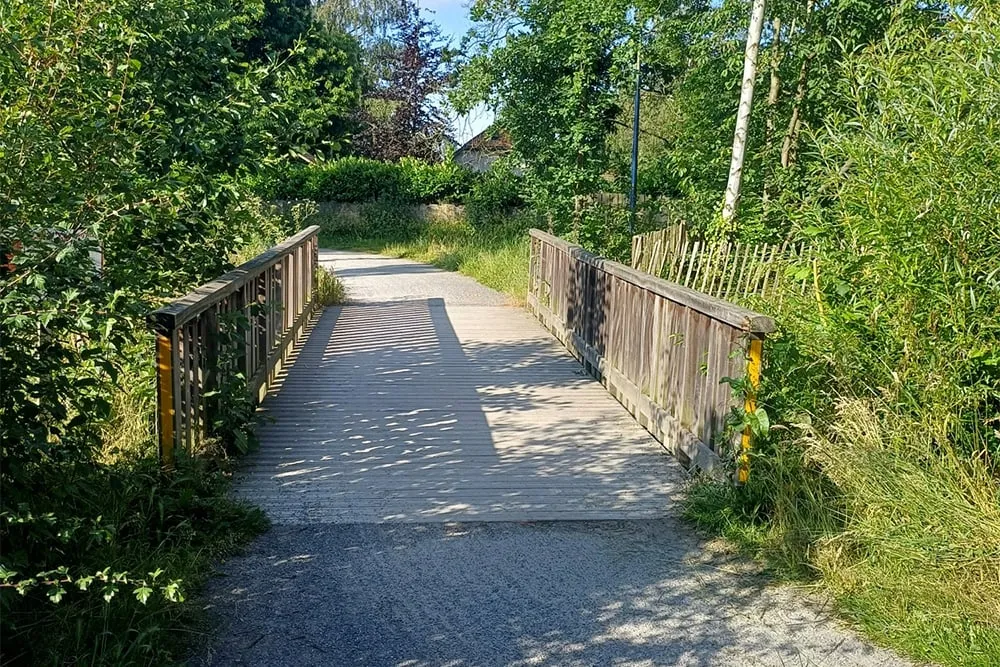
With the creation of the blue-green Park Spoor, Kontich won several awards in 2020, including the VMM Waterproof Award. In early 2022, the municipality was one of ten ambitious cities and municipalities selected in the first call for green-blue networks under the Blue Deal. “The selected project includes, among other things, opening up the Lachenebeek, creating new buffer zones around the Babbelsebeek, and building an additional blue-green experience park and a flow-through wetland,” explains Johan Asselberghs. “By creating retention areas such as the one in the Schapenhagen nature reserve, we have already managed to protect a number of Kontich neighbourhoods from flooding over the past eight years, but in the coming years we want to restore even more wet nature. Heavy rainfall can make it difficult to store all the water. We recently bought some important parcels of land for this purpose, and are working closely with Natuurpunt to create new wet nature in Schapenhagen and expand the woodland near the Oude Spoorwegberm. These will also provide new recreational areas for our residents.”
“We are also trying to make enough room for water on a smaller scale by creating wadi systems,” adds Sophie Baeckelmans. “Long before the GSV Hemelwater regulations prioritised open wadis, we were already encouraging this approach, for example through our planning policy. They also play a central role in our own projects, such as depaving and redesigning the area around the station.”
Small measures, big impact
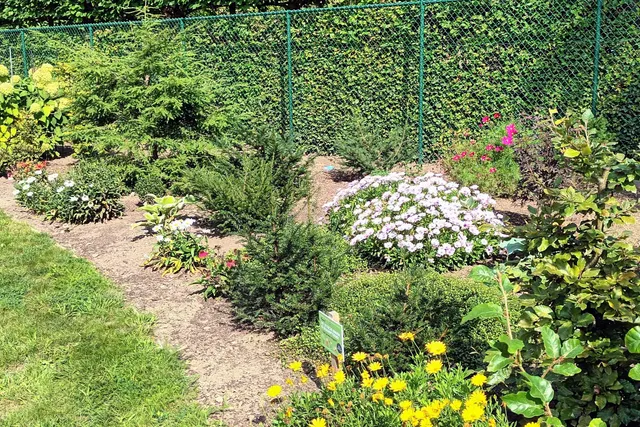
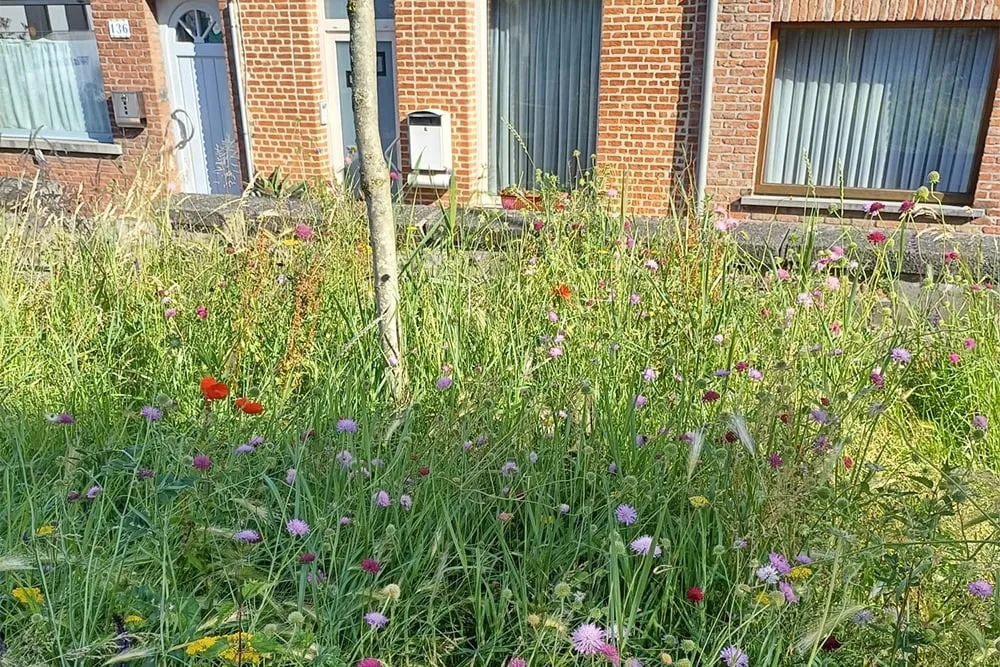
In neighbourhoods with traffic-calmed streets, pavements are among the things being removed. Where possible, the pavement on one side of the street is replaced with green spaces; in the most traffic-calmed streets, which are often cul-de-sacs, both sides are given a green makeover. “We opt for flower meadows and extensive green-space management wherever possible,” says Wim Claes. “This not only contributes to biodiversity, but also improves infiltration, thanks to the longer grass and more active, aerated soil.”
Extensive management also extends to verges and, notably, ditches. “Verges and ditches have recently been brought under an integrated management approach, which in principle limits mowing the vegetation in ditches to once a year. In spring and summer, plants help slow the flow of water, allowing it to infiltrate more effectively. Verges are mown twice a year, and where grass is dominant they are mown more often as part of transitional management. Safety strips may also be mown several times. The cuttings are always removed, so the vegetation becomes richer in flowers.”
Small-business woodland park
If green spaces play a central role in Kontich’s ambition to make more room for water, one of the municipal authority’s wet dreams is the creation of a woodland park for SMEs. Sophie Baeckelmans says: “Rather than a conventional business park, we want to offer a long-term green solution to the flooding that still affects our SME zones. Our ambitions are so wide-ranging, however, that we first need a comprehensive study. We also want to explore the scope for centralised green-space management across the entire site, to optimise rainwater collection and reuse between businesses, to link this to energy, and so on. All this without risking, for example, polluted wastewater from certain businesses entering the ecosystem. The first step, therefore, is to draw up a clear project brief.”
Question about this story? Ask your question
Keep following this
Get an email when a new story is published. No account needed.
- ThemeGreen space for everyone
- SubjectCity in the spotlight