Leuven seeks green connections, both literally and figuratively
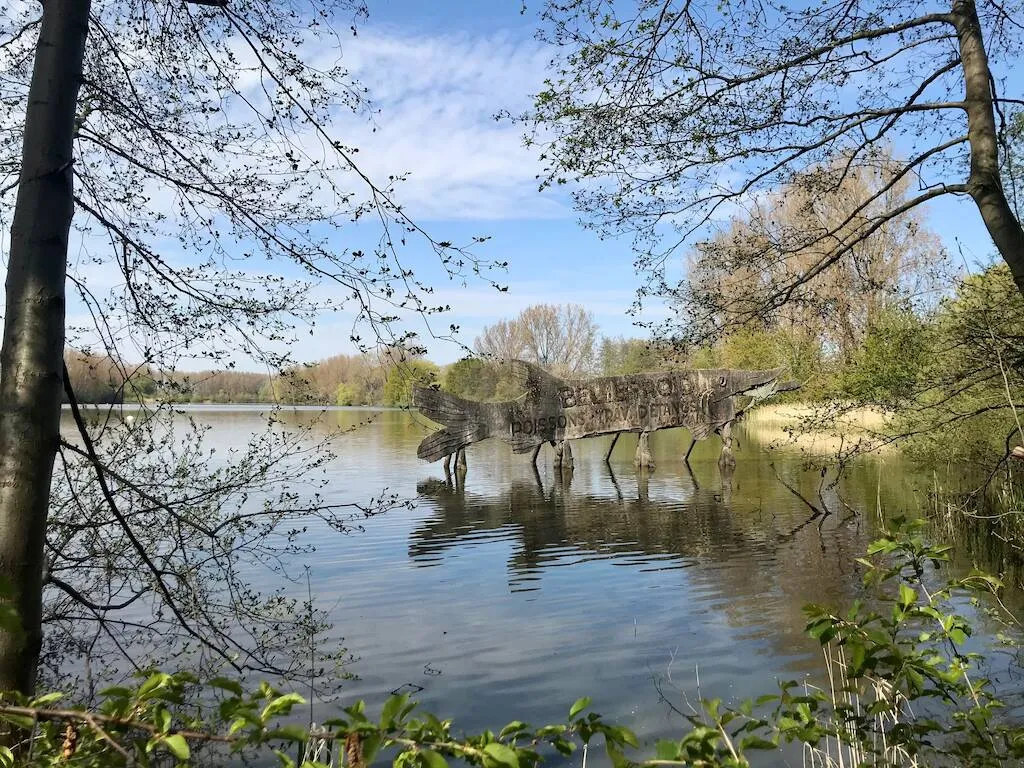
In each edition of City in the Spotlight, we hear from a city or municipal authority and ask about the initiatives being taken to promote people’s experience of nature, biodiversity or green space management. With 350 hectares of public green space, Leuven is already the second greenest regional city in Flanders, but how exactly does it maintain that position?
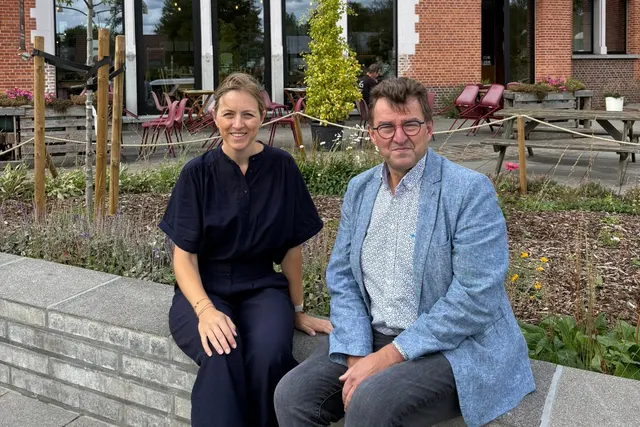
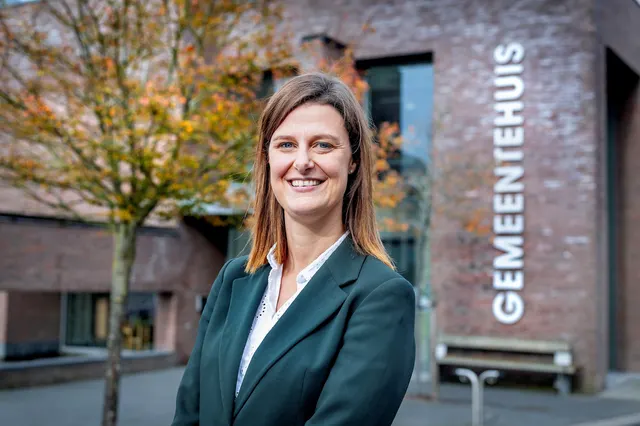
Lalynn Wadera had served as a member of Leuven city council for six years before being appointed alderman for Education, the Economy, Diversity, Public Green Space and City Buildings in the current term. It is quite a list, she admits, but also a rewarding mix of responsibilities that makes it possible to see and build connections. Alongside a few larger-scale projects, she believes it is above all the small, accessible green initiatives that make a difference.
Large and small green hubs
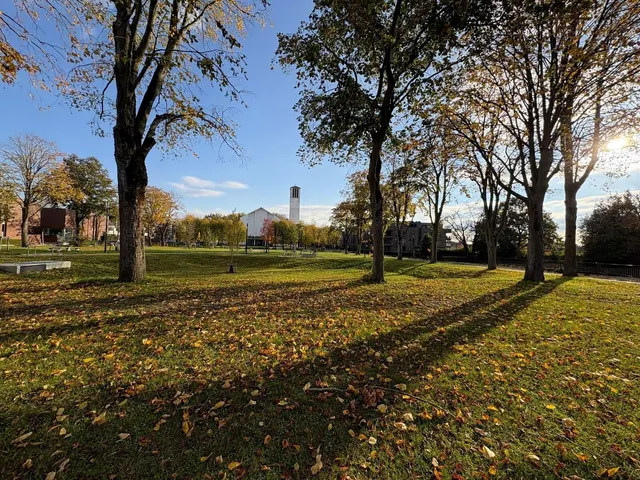
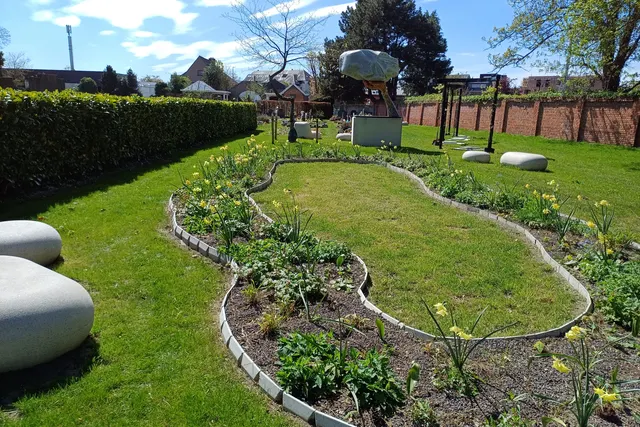
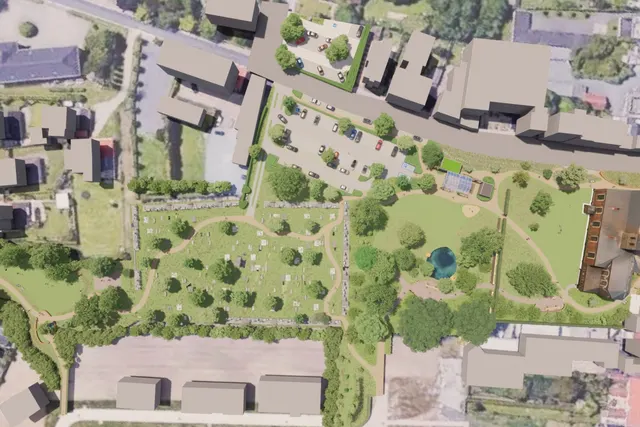
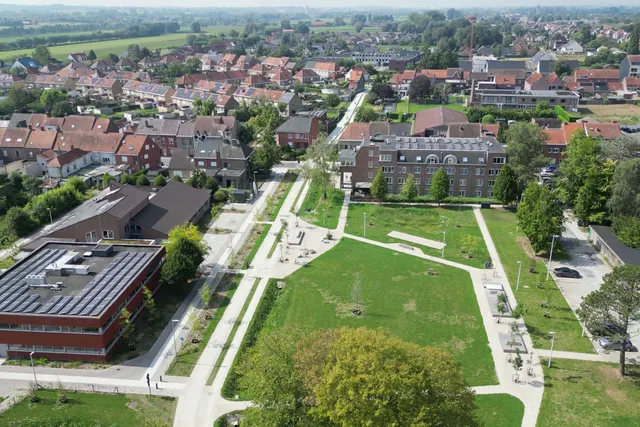
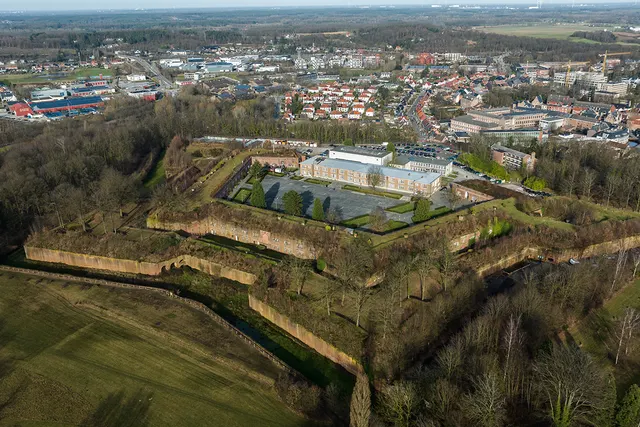
Until recently, Leuven had 315 hectares of public green space. The purchase of two remarkable green areas, formerly in private ownership, has brought the total to a neat 350 hectares during the current term: the Scheutsite on the one hand, and the Vijvers van Bellefroid on the other. The new green hubs take the form of a public park with community facilities and a nature area that is partly open to the public and rich in wildlife, respectively.
“These additions to the already extensive and varied range of public green spaces are very important, so we always keep our eyes and ears open for opportunities,” says Wadera. “But it goes without saying that you do not have the same opportunities in the city centre. Alongside existing urban green hubs such as the Kruidtuin and Sint-Donatuspark, the priority there is to integrate greenery into the streetscape in an accessible way. That is not just about beautifully landscaped parks, but above all about bringing green space directly to the people of Leuven.”
Neighbourhood Forests
Wadera cites the Neighbourhood Forests as one example of this ambition.
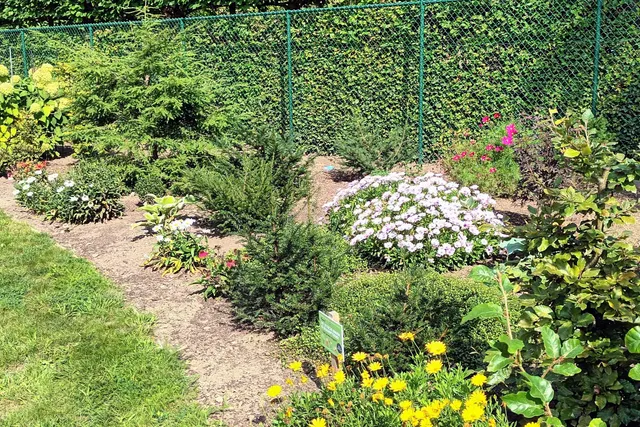
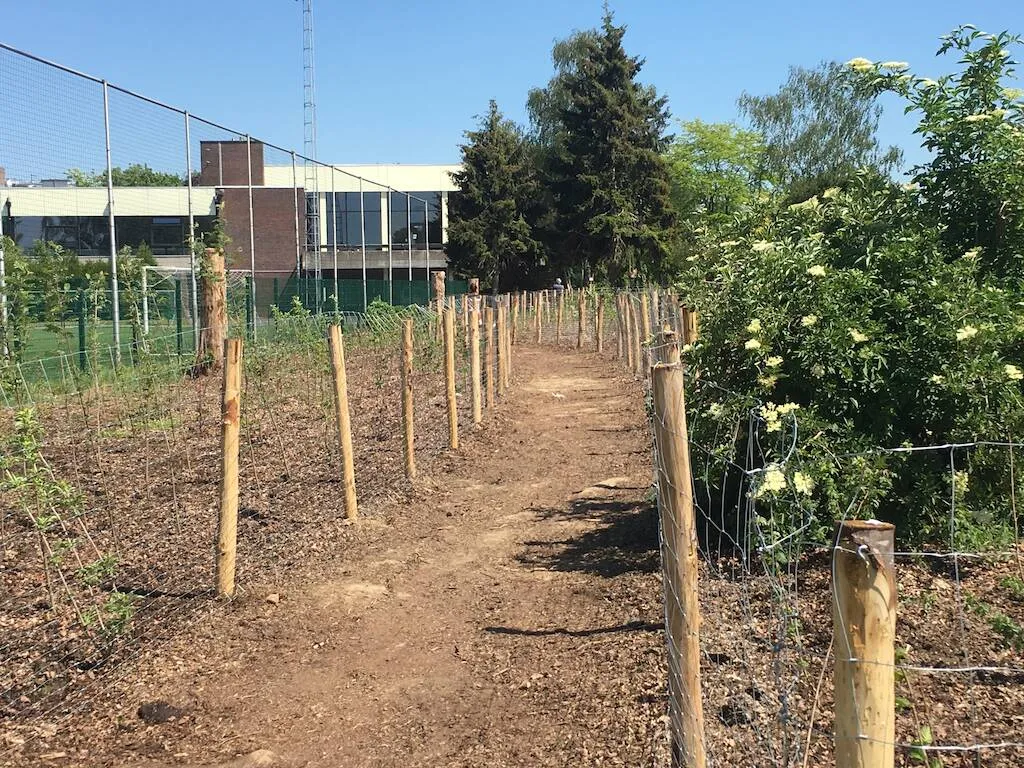
“Think of them as Leuven’s take on Tiny Forests, a concept that originated in Asia and involves planting a very large number of trees in a very small area. In Asia, that often means five plants per square metre, but since that is not practical in our climate, we aim for around one tree or shrub per square metre. We do, however, make sure to include a wide variety of species, giving biodiversity a major boost in a short time.”
The Tiny Forests concept also has a social dimension.
“The idea is for planting to take place in collaboration with local residents, nearby schools and community groups. The three Neighbourhood Forests already established were planted during the pandemic, but we will certainly include that aspect in future projects. We also make space in all the Neighbourhood Forests for educational activities, including, for example, an outdoor classroom.”

Green garlands
Further into the city centre, Wadera believes the greatest potential for more greenery lies above street level. “We are investing heavily in green façades and offer residents the support they need. Anyone who would like to create a green façade garden can apply to the city for a grant and/or advice, for example. And through the neighbourhood initiative ‘Kom op voor je wijk’, neighbours can also apply together for a grant to green several façades along their street.”
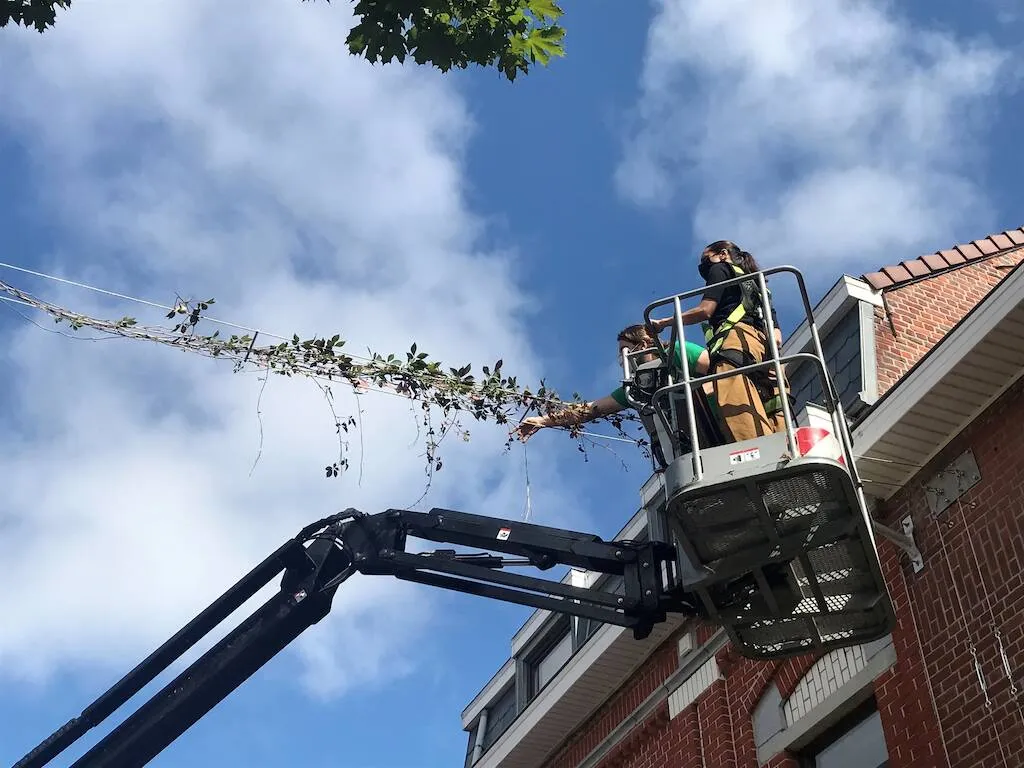
“We have also recently started installing green garlands in streets with several green façades, connecting them across the street. Unlike the upkeep of private green façades, which is of course the owner’s responsibility, we also take care of maintaining the garlands ourselves. This does require some additional training and flexibility from our parks department, but that is now part and parcel of all green space maintenance.”
Several streets in both the city centre and outlying districts now feature green garlands, and they seem to be inspiring others. “We are receiving more and more requests for green façades, from individual residents and entire streets alike,” says Wadera with satisfaction.
Question about this story? Ask your question
Keep following this
Get an email when a new story is published. No account needed.
- ThemeGreen space for everyone
- SubjectCity in the spotlight