“We were already a city of flowers, now we’re also a city of bees”
Text Elise NoyezImage Izegem
Izegem is committed to green policy
In our City in the Spotlight feature, each edition gives a town or city council the floor and asks about the initiatives being taken to strengthen nature management, green spaces and biodiversity. “When you talk about biodiversity, you talk about bees,” they say in Izegem, in West Flanders. So the city is going to great lengths to protect and boost its local bee population, although it is not the only focus of its ambitions.
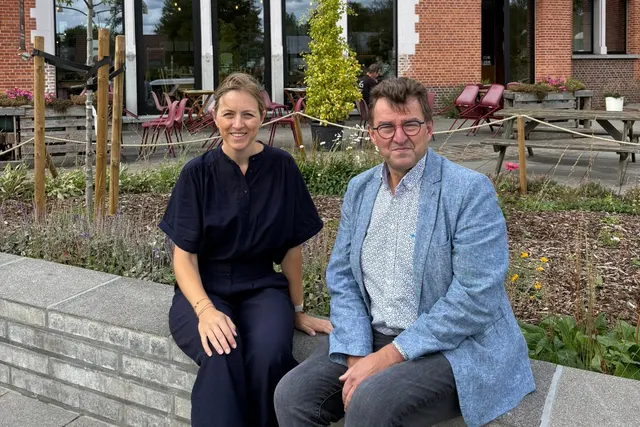
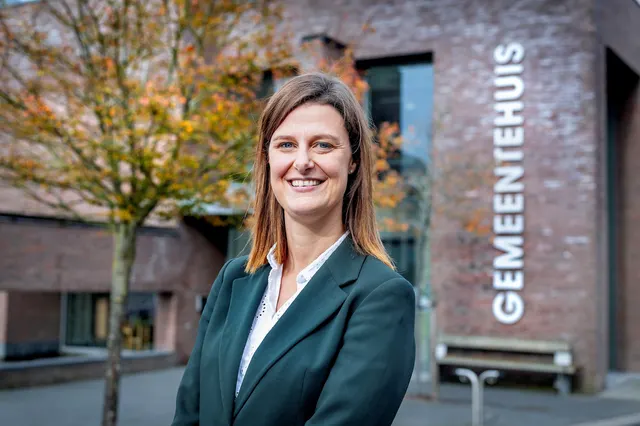
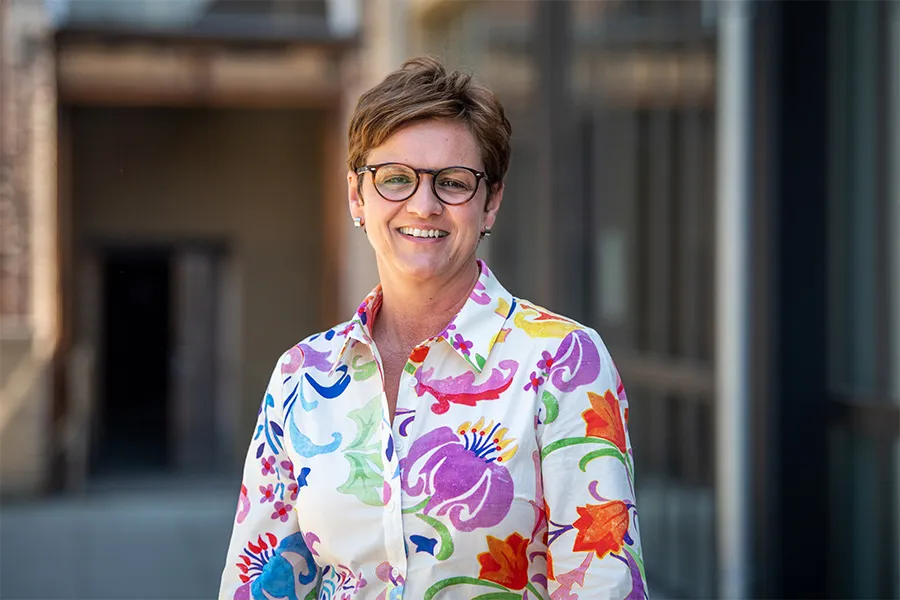
At the end of May, during Bee Week, alderwoman Caroline Maertens, whose portfolio includes spatial planning, environmental permits, mobility and cycling policy, public works and green spaces, municipal buildings and public lighting, was invited to speak on public radio about the city’s bee-friendly initiatives, particularly the creation of a bee mound.
“When I first joined the council ten years ago, bees received very little attention,” she says. “Everything was cut short, hardly anyone gave water and biodiversity a thought, and pesticides were still being sprayed with abandon. We have made enormous progress since then.”
From flowers to a bee mound
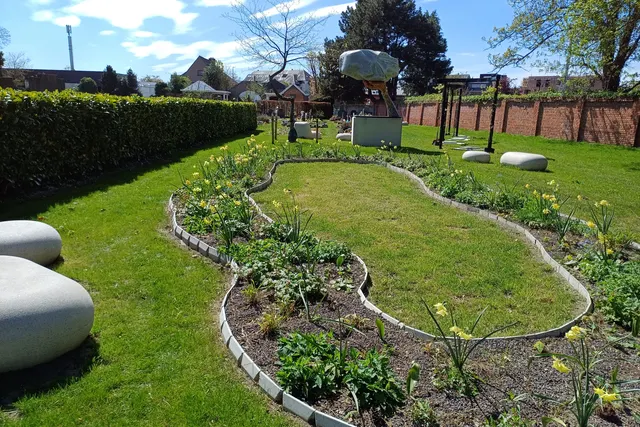
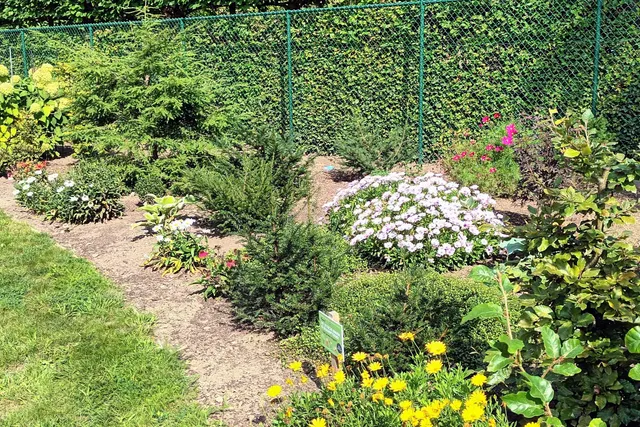
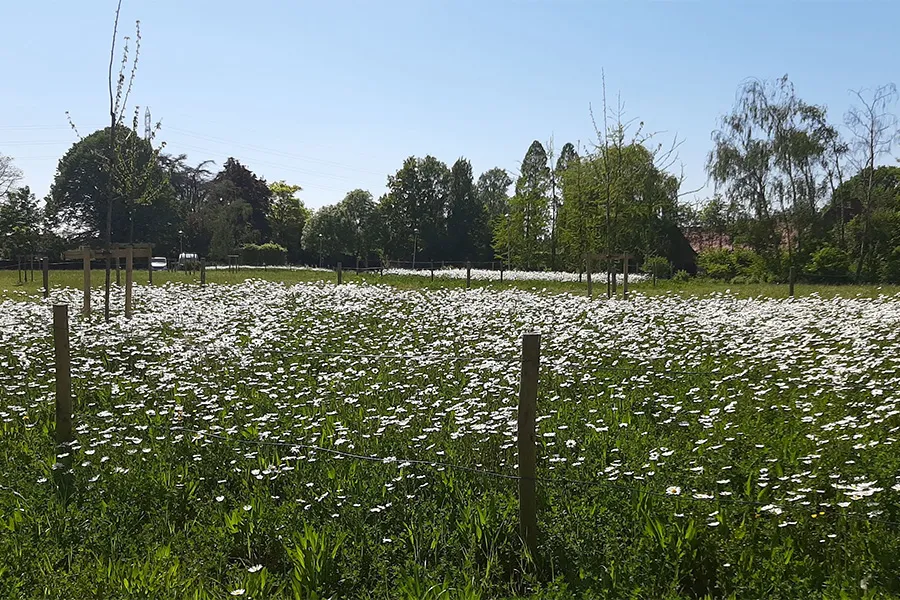
That progress is reflected, among other things, in the nearly four hectares of wildflower meadows now spread across Izegem.
“Many municipalities now use less intensive mowing regimes to support biodiversity, but few have such a large area of wildflower meadow,” Maertens says proudly. “Our green-space specialist also takes great care in selecting the species. This is partly to enjoy flowers for as long as possible, which matters for public acceptance, but also to attract specific bee species. By monitoring and surveying our bee population, we know very well which rare species are present in our area and which are underrepresented.”
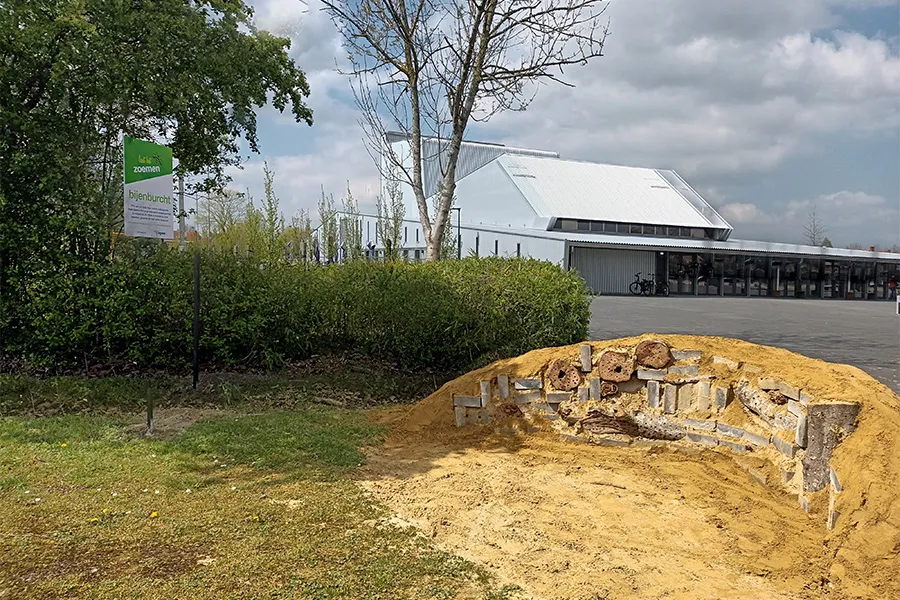
The recently created bee mound is part of the same story.
“We have been promoting bee and insect hotels for some time, and we involve local residents too, but they are not equally relevant to all bees. There are also mining bees, for example, which live underground. We built the bee mound for them with the children’s municipal council, using recycled construction materials. The stones in the mound warm up, creating ideal conditions for larvae to develop into bees.”
Reducing hard surfaces and creating connections
The building materials and rubble used for the bee mound came from a depaving project elsewhere in the city. There are quite a few such projects.
“We are strongly committed to reducing hard surfaces and creating more green space, both in our own public projects and in private permit applications and larger private developments,” Maertens explains. “The advantage of having all the relevant responsibilities under one person is that you can guide developments from several perspectives at once, and so deliver a targeted, integrated policy.”
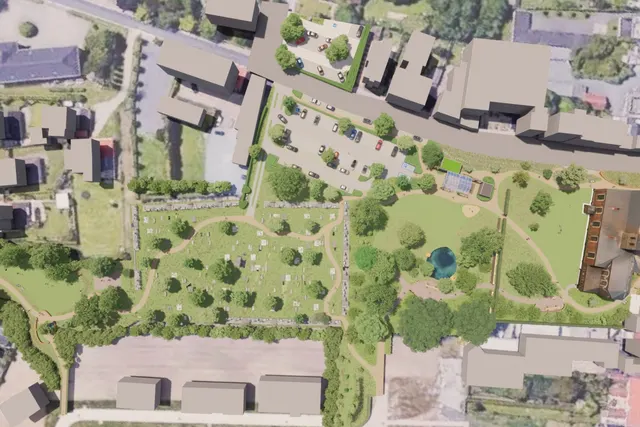
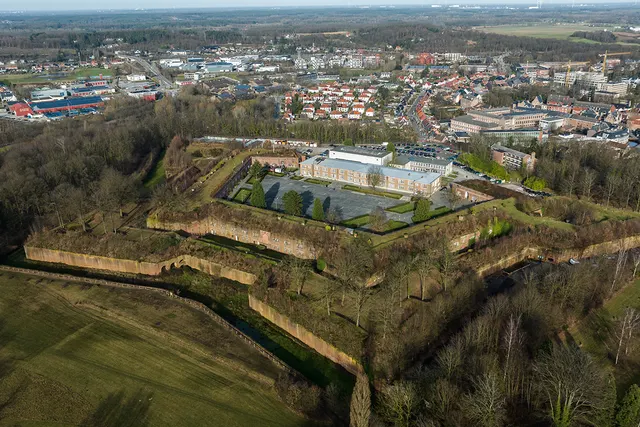
This was also the case around Blauwhuis Castle. “When the estate was sold, we made sure that the formerly private park, separate from the castle itself, was purchased and opened to the public by the Agency for Nature and Forests. In the adjacent residential expansion area, we deliberately opted for apartment buildings with a compact footprint, to leave more room for green space.”
At public level, the focus is on the River Mandel on the one hand and the Roeselare-Leie Canal on the other.
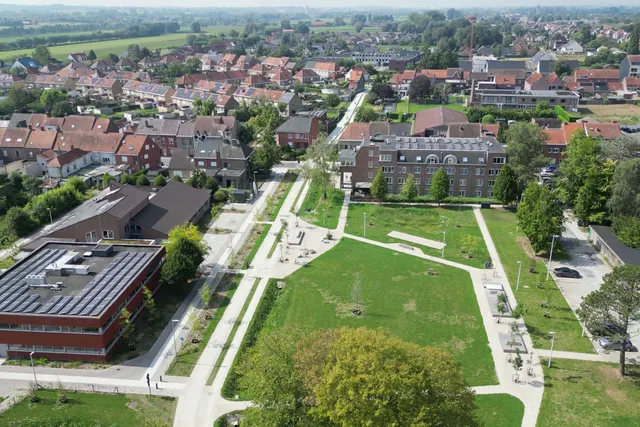
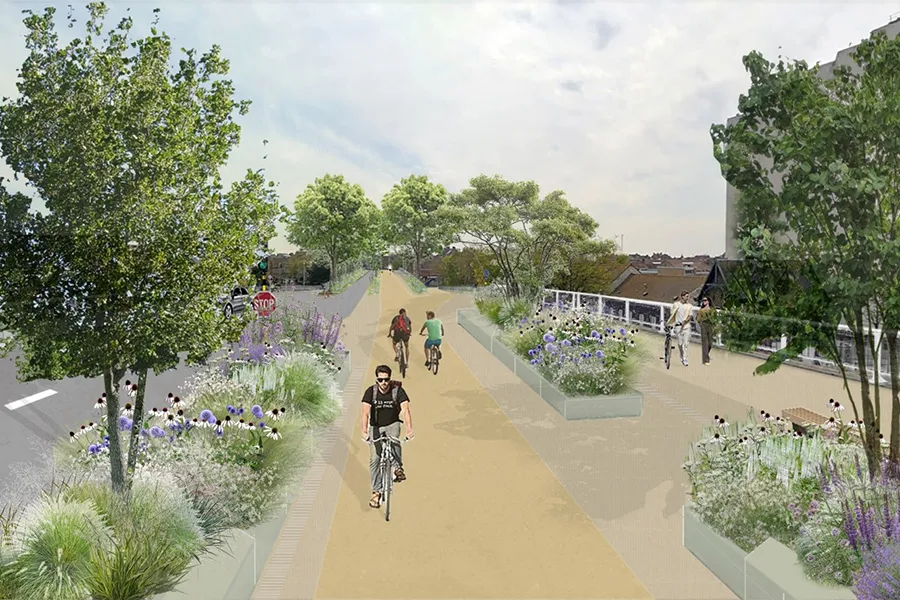
“As well as the complete redesign of Centrumbrug over the canal as a greener ‘bridge park’ in the coming years, we also want to extend our green walking route, Wandel op de Mandel, further towards the centre by uncovering the covered sections of the Mandel. Despite the high proportion of hard surfaces in the centre of Izegem, these larger and smaller interventions will ultimately connect green spaces and extend them deep into the city centre.”
Question about this story? Ask your question
Keep following this
Get an email when a new story is published. No account needed.
- ThemeGreen space for everyone
- SubjectCity in the spotlight