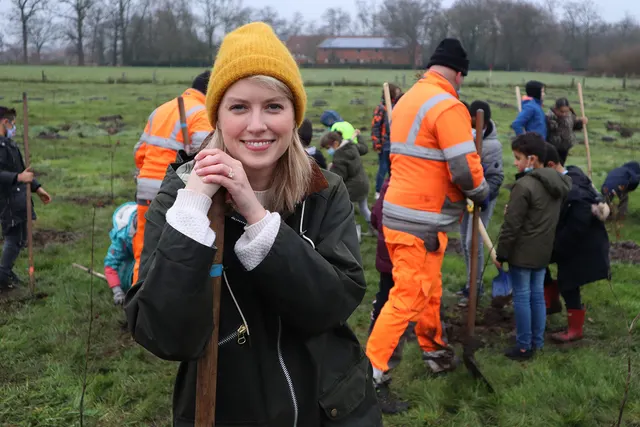
It all starts beneath our feet
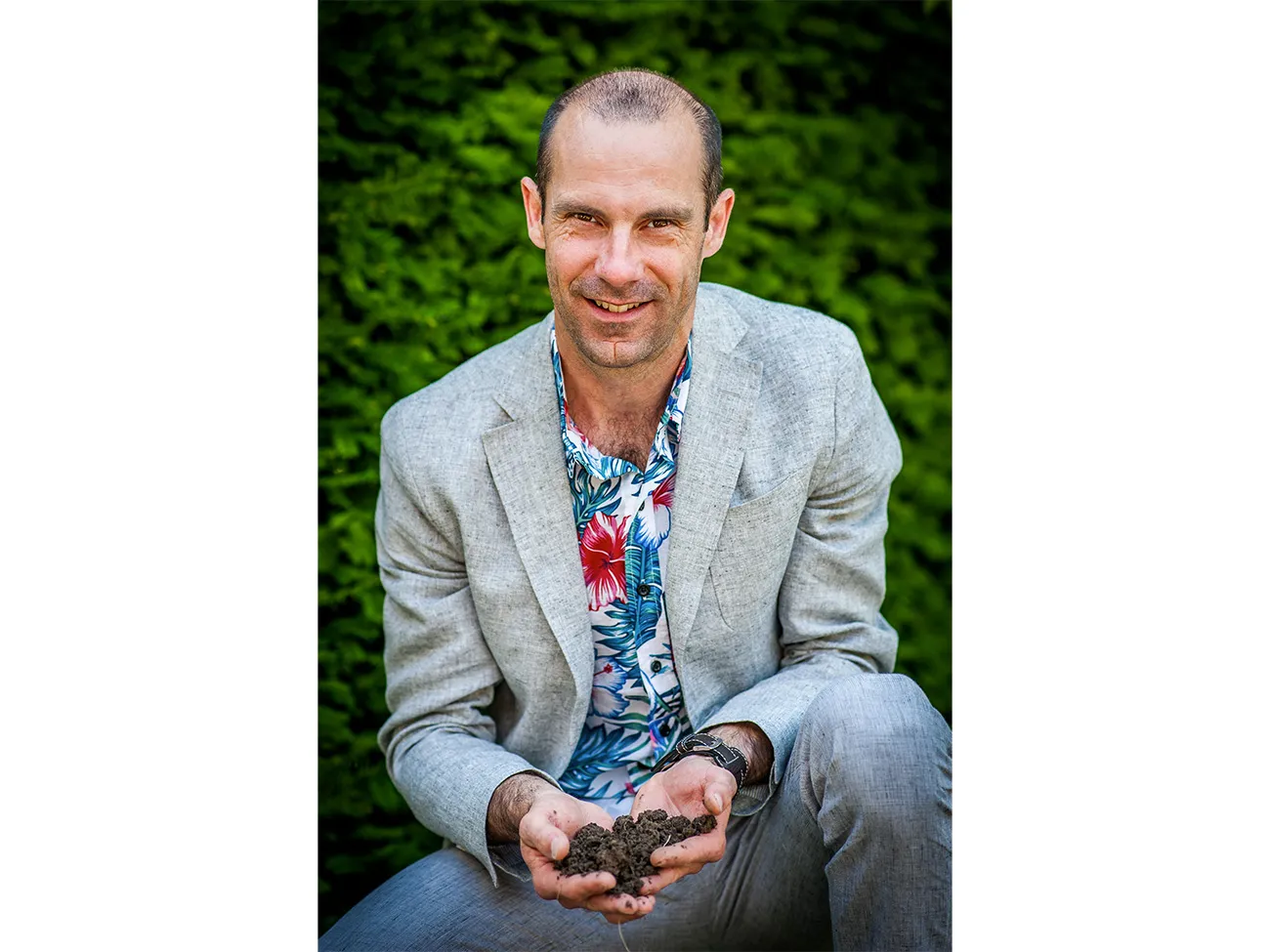
In today’s digital world, many of us have literally lost touch with the soil. Getting your hands dirty is often seen as anything but prestigious. Yet soil is far from being mere dirt. In fact, it is the basis of absolutely everything. It is the living skin of the Earth.
Healthy soil is a vital first line of defence against biodiversity loss and climate change, and is essential for water management. As I write, we are facing a historic spring drought, while warnings of intense thunderstorms are coming in. Experienced landscape contractors know that in such extreme conditions, it is not only the choice and quality of plants that determine how a garden weathers the period, but above all the quality of the soil. Healthy, crumbly soils, rich in soil life, have a pronounced sponge effect, allowing rainwater to infiltrate freely and deeply. They also allow plants to root deeply and draw on deeper moisture reserves during periods of drought.
A loss of soil quality through erosion, declining organic carbon levels and destruction of soil structure sets off a downward spiral in water supply, plant diversity, and the abundance of soil fauna and microorganisms. That is why healthy soil must be nurtured and maintained at all times.
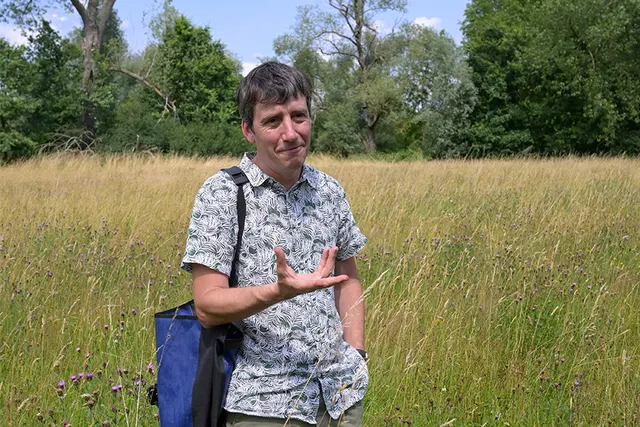
Recently, Antoine Mahieu completed his thesis in our lab on the soil quality of garden plots being developed around new-build homes. The study revealed that none of the gardens examined had escaped soil compaction. At half of the measurement points, significant soil compaction was already evident at a depth of just 20 centimetres. These points were not only located near former construction areas. In many cases, even the soil further back in the garden had not been spared.
Landscape contractors therefore often face a fairly unfavourable starting point, and must convince clients to set aside the necessary budget for soil improvement works. This is no easy task, and all too often the decision is made to keep growing-area improvements to a minimum. This can compromise the quality of the future garden. Plants will avoid compacted soil layers, root more superficially and consequently be more vulnerable to hot, dry summers. Trees whose root development is impeded may even be less stable later in life. But too much digging or earthmoving can also damage soil structure. The soil skeleton, or a certain degree of soil cohesion, is crucial in preventing the soil from slaking in the rain. Slaking is a process comparable to ground coffee compacting when hot water is poured over it.
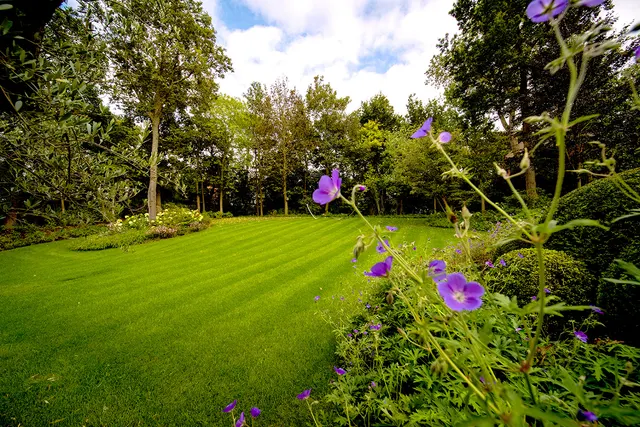
If a garden has good-quality soil, it must be protected and kept healthy. Granular chemical fertilisers, with their high salt content, are rarely good for the soil ecosystem. Compost, leaf litter, mulch… this is the black gold of every landscape contractor. Adding organic matter every year not only boosts soil life, but also improves water retention and stabilises soil cohesion. However, measurements show that 85% of lawns have too little organic carbon due to frequent mowing and the removal of grass clippings, resulting in numerous soil structure problems.
It all starts beneath our feet, but for the landscape professional it also starts in the mind. They need the latest knowledge to assess whether particular interventions are necessary and whether they will improve or worsen the soil.
Question about this story? Ask your question
Keep following this
Get an email when a new story is published. No account needed.
- SubjectIn conversation