The Pen | Wim Peeters, Lecturer in Arboriculture, Vives University of Applied Sciences, Campus HIVB Roeselare
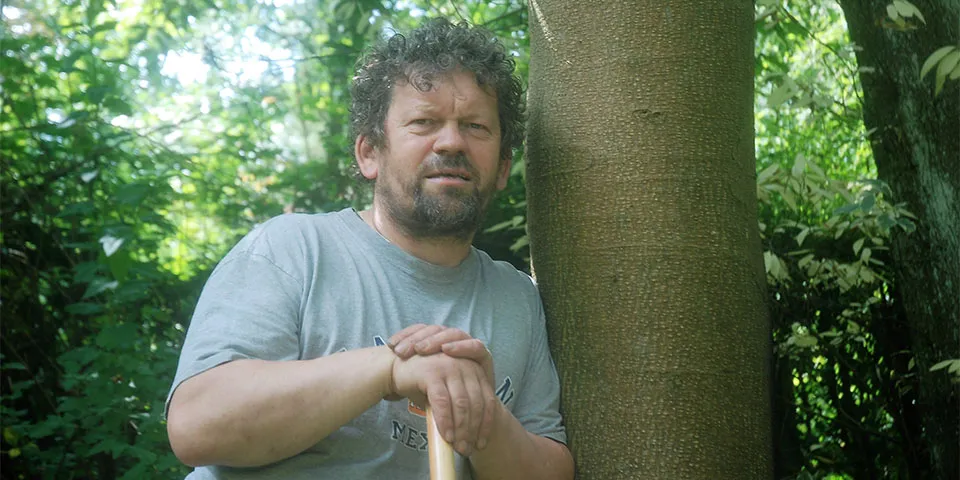
Trees take time. Do we give them the space?
Trees are important structural elements in both public green spaces and private gardens. They shape green spaces, but they also change growing conditions. Competition for water and growing space, as well as shade, has a significant influence on the species that grow beneath trees. This can be a constraint for the designer, but it is just as much a challenge for anyone who wants to give green spaces a creative new purpose.
Large trees have a greater impact on their surroundings and need much more underground growing space than smaller trees. However, it takes a long time for them to claim that space, both below and above ground. Designers do not need to provide all that space at once. It can be increased gradually, with each redesign of a street, square or garden. As a rule of thumb, underground growing space increases by one cubic metre each year. An extra 40 cubic metres is therefore enough to bridge the period until the next redesign. So designers who want to incorporate a future tree into a scheme do not need to provide everything at once. Trees take time.
There are two conditions. First, we must dare to incorporate existing trees. This gives a scheme greater impact. A green setting with large trees is priceless. The added value of existing trees in redevelopment projects can hardly be overstated. A truly creative designer can still make their own mark while retaining the elements that give a place its structure. A scheme does not lose impact by incorporating existing features. If we see it as common sense to preserve existing historic buildings and make them part of the new plan, we can do the same with existing trees.
Does that mean we should preserve every tree at all costs? I have my doubts. Sustainable green-space management, with trees fit for the future, is not about numbers but canopy volume. We therefore need fewer trees, with larger canopies. Where necessary, we must be prepared to thin existing tree stocks so that the trees we retain have more space. This can make a square, street or garden much greener. Size matters, it really does.
The second condition is that we must be prepared to remove paving that serves no lasting purpose. This brings many benefits, which will become increasingly important in the urban heat islands that our cities have become. Less water needs to be drained away. An open, planted growing area will also retain less heat. These are not minor details. The money saved can be put to creative use by the designer. This is where a designer can add real value. And when the area beneath a tree is designed so that fallen leaves can remain in place, the trees benefit too. They grow better, become larger and have a greater impact. In the end, no designer can proudly stand behind a scheme knowing that the trees in it will never reach the intended final
design.
Question about this story? Ask your question
Keep following this
Get an email when a new story is published. No account needed.
- SubjectIn conversation