Creating a wildflower meadow: Advanta’s tips for more colour and biodiversity in the garden
Text Trees AccouImage Advanta
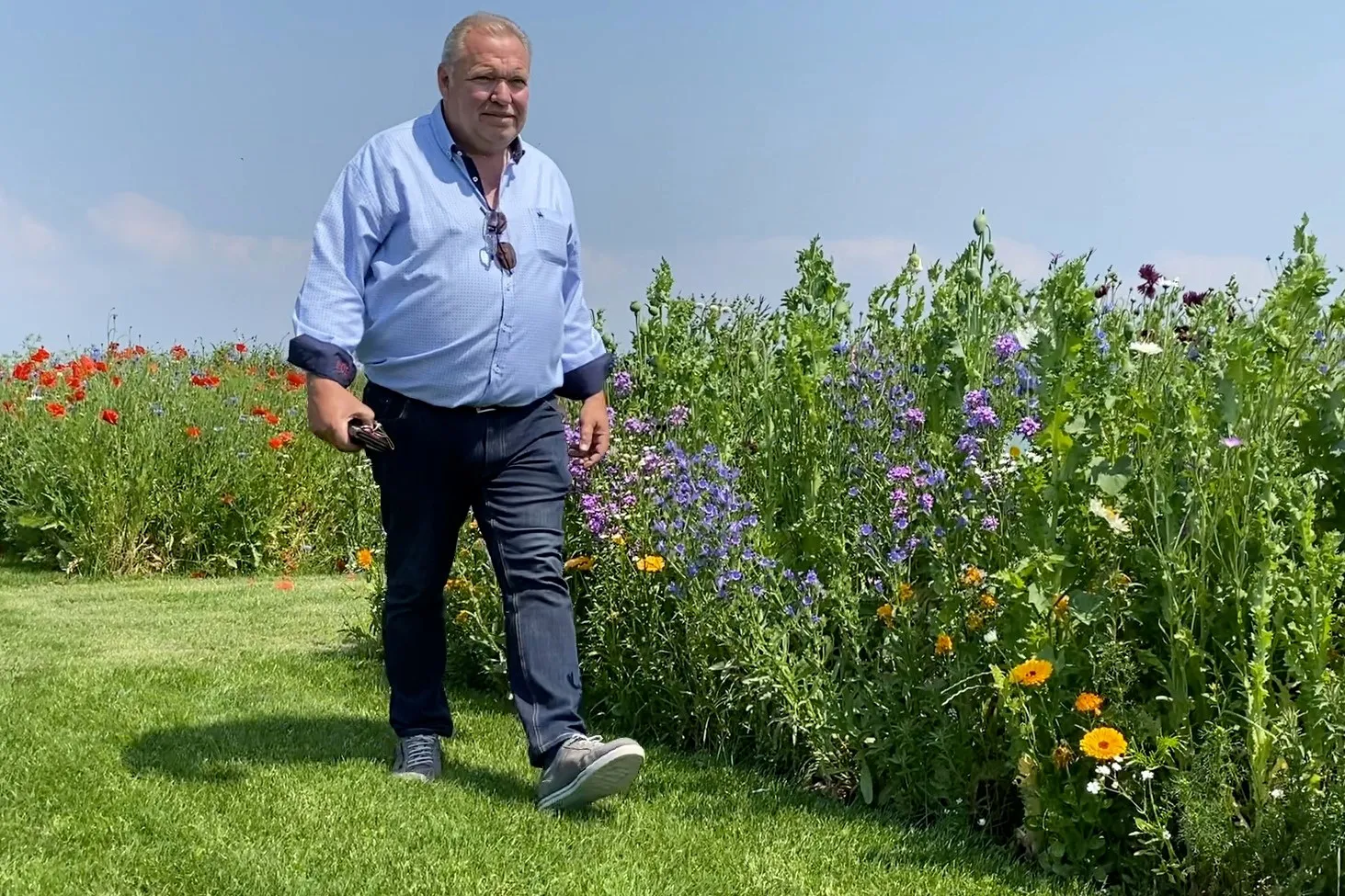
“People sometimes say that wildflowers are a passing trend. I see it as a positive development that they are getting more attention today. They add colour, lift people’s spirits and are a joy for insects too,” says Erik Truyers. As sales and product manager at Advanta, he is not just the grass expert. He is also passionate about wildflower meadows. What counts as a wildflower, and how do you successfully create a wildflower meadow?
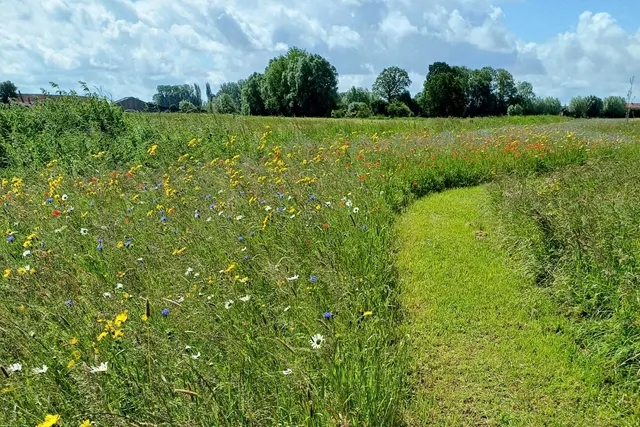
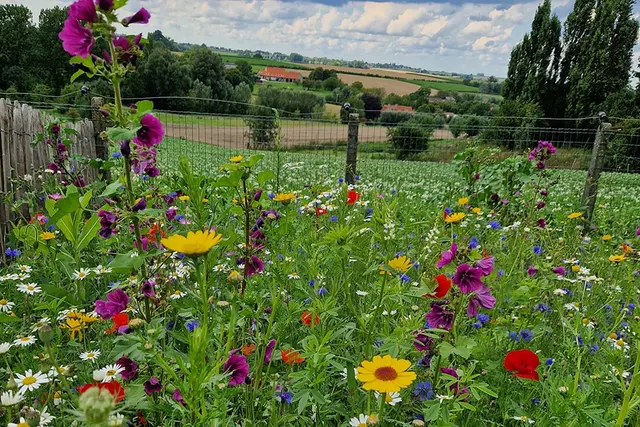
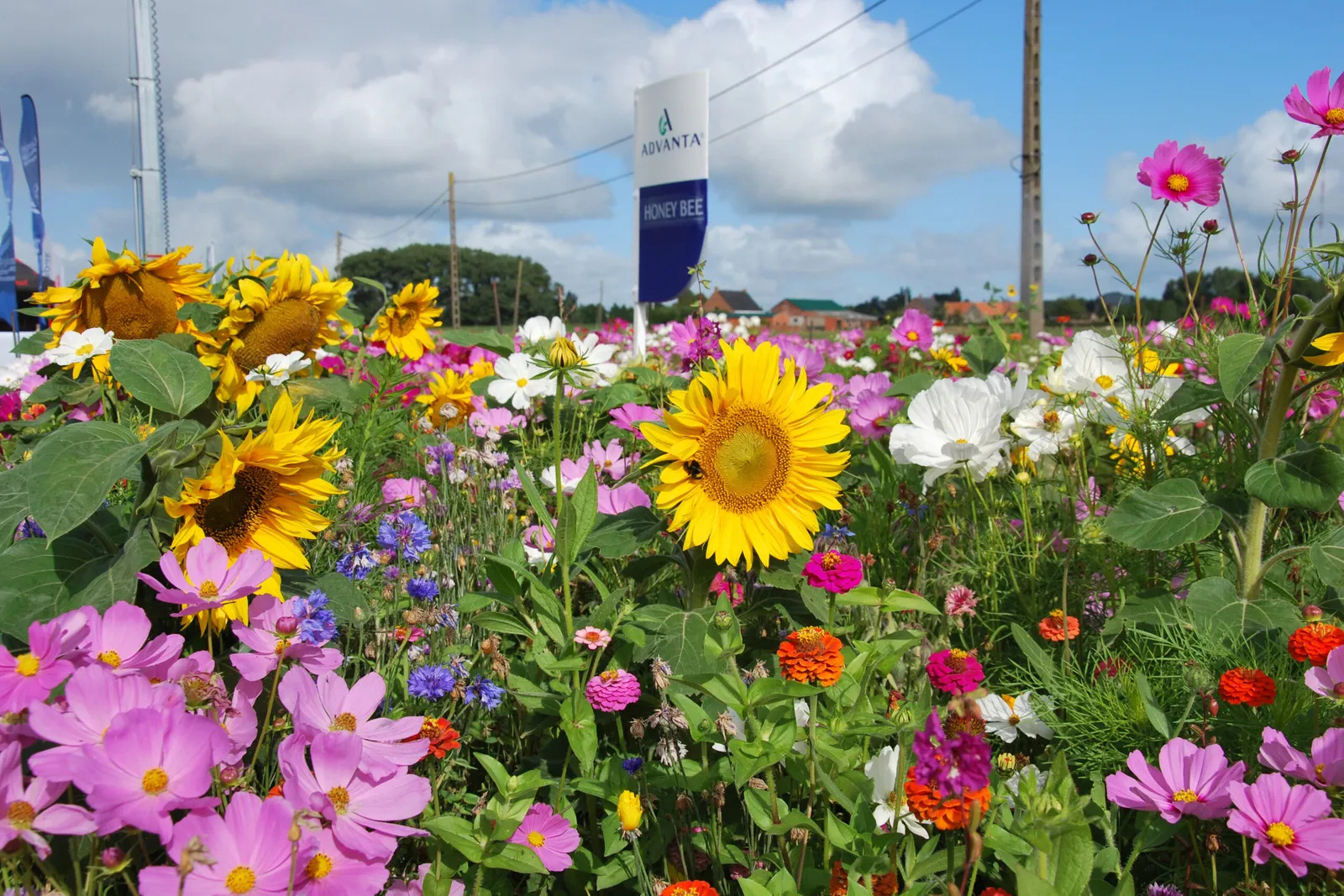
Poppies, cornflowers, cosmos, marigolds, zinnias and sunflowers: sow them in spring and you can enjoy a living bouquet in summer. “Once sown, they deliver a beautiful display with little maintenance,” says Truyers. “I’d love everyone to sow the last five square metres of their garden with wildflowers. Get a thousand people to do that and you create an extra 5,000 square metres of biodiversity.”
A mix for every garden
At Advanta, the growing interest is reflected in the popularity of its various seed mixes. “There’s a suitable wildflower mix for every garden and every gardener. The right one depends on what you’re looking for,” says Truyers. Advanta’s research shows that 65% of people consider it important for wildflowers to be native. At the same time, 85% choose annual mixes based on photographs, which combine native and non-native species.
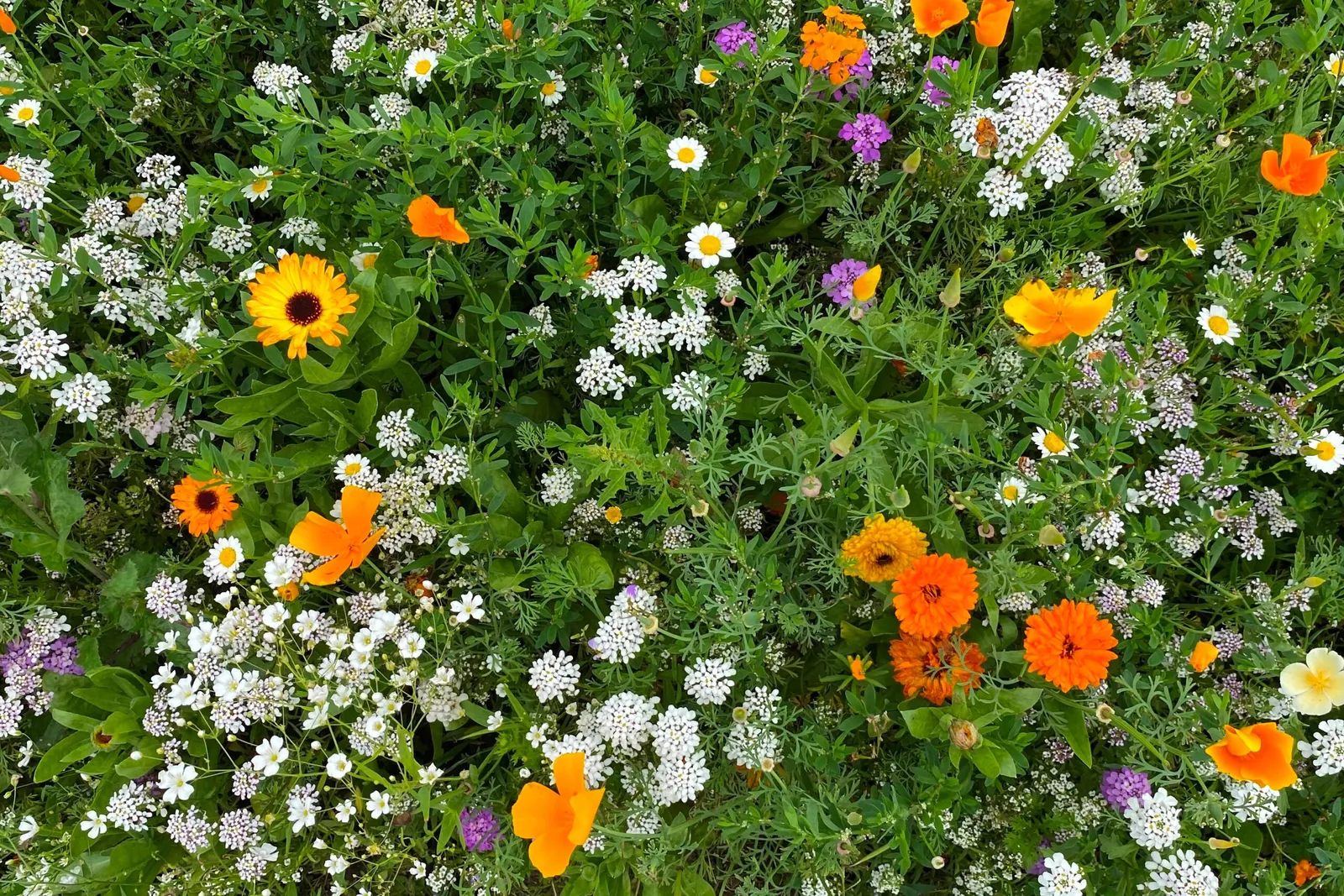
Mixes containing native perennials are generally used in sustainable nature management. Colourful combinations are more popular in private gardens. “They establish quickly and flower until the first frost. That’s valuable for insects too. We also deliberately include host plants.” These are plants on which, for example, butterflies lay their eggs.
Myths and common mistakes
According to Truyers, the same misconceptions often crop up when sowing, such as the idea that flowers only grow in poor soil. “When I drive from Tongeren to De Panne, I see flowers everywhere, whatever the soil type. It is true, though, that different species thrive in different soils. So you need to work with nature.”
That is why Advanta offers mixes for a range of conditions, including light and heavy soils, as well as shorter mixes for windy gardens. Annual mixes have a short growing cycle, so they can be sown in almost any soil. On sandy soil, however, it is important to water more often or add a wetting agent.
A good start
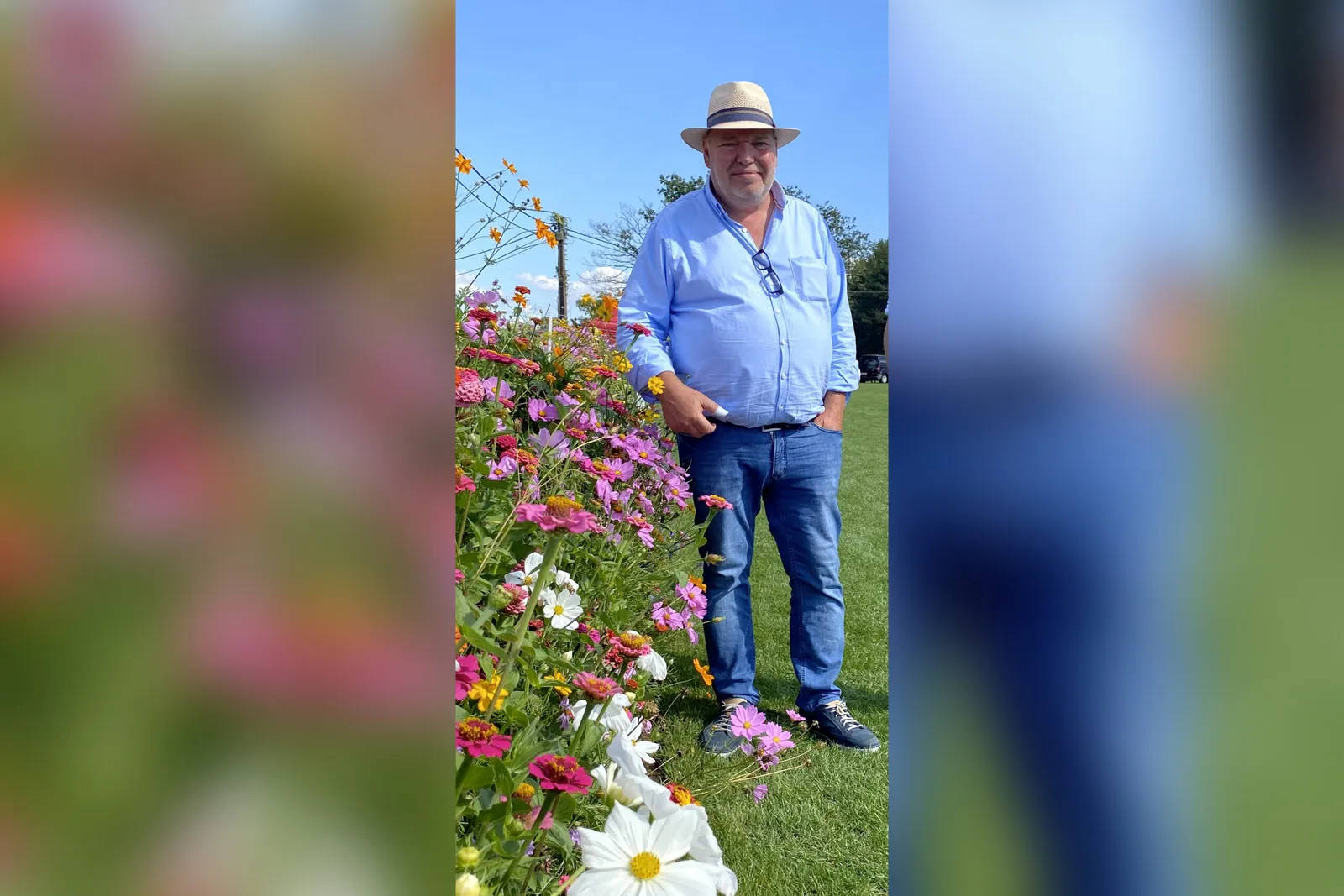
Truyers cannot stress enough the importance of starting with a weed-free area. Prepare the ground as you would for a lawn: remove weeds, loosen the soil and improve it if necessary. Then sow into a fine, crumbly seedbed. Mix the seed with white sand to distribute it evenly. As a general guide, use two grams per square metre. “A common mistake is raking the seed in. Many flowers need light to germinate. So press the seed down lightly instead of covering it with soil.” Keep the soil moist and, after a few weeks, remove any weeds that emerge by hand.
The different species flower in succession, so there is always colour in the garden. The flowers die back after the first frost. But if you leave them standing, they remain valuable in winter too. Birds feed on their seeds and insects find shelter among them. In March, you can remove the dead plants and sow again. The cycle then starts over.
Een zakelijke vraag aan Advanta? Get in touch
Companies in this story

Keep following this
Get an email when a new story is published. No account needed.
- ThemeGreen space for everyone
- SubjectTrees & plants
- CompanyAdvanta