The plant range in Flemish gardens
Text and images Herplant BV
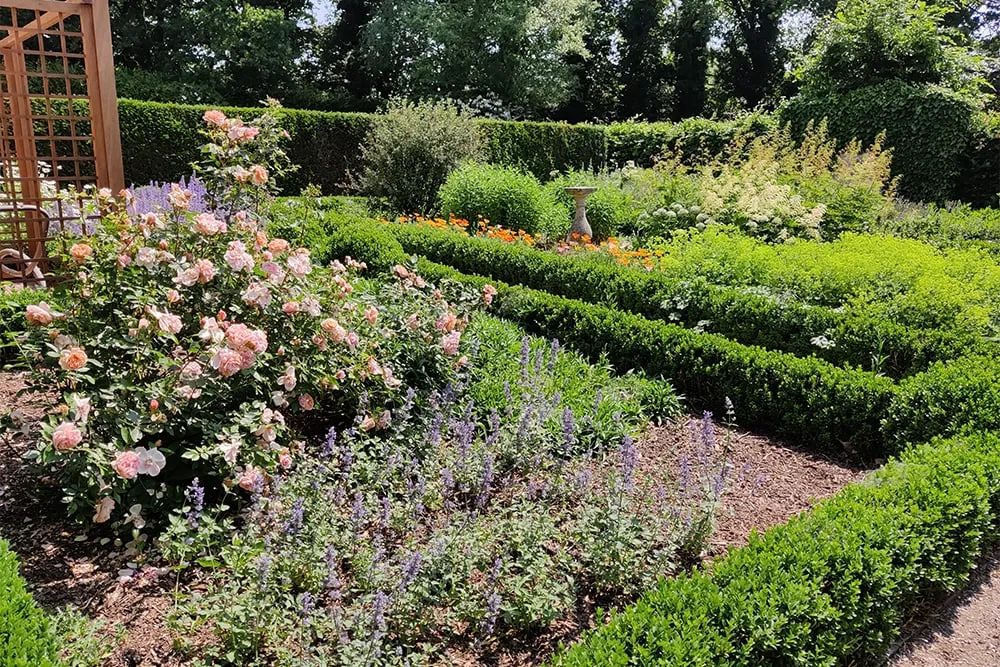
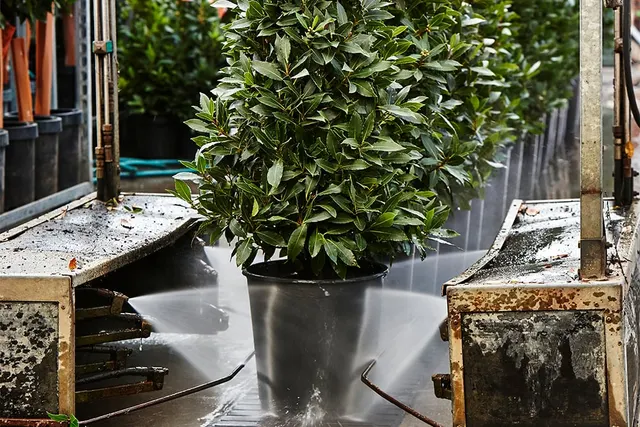
A look around the average Flemish garden reveals that the same plant species are often used. Monotonous beech hedges, ornamental grasses and so-called evergreen alternatives to boxwood dominate the scene. Wholesale suppliers often limit their offer to a standard list of species, leaving little room for variety. Nurseries, too, focus heavily on growing large quantities of these standard species.
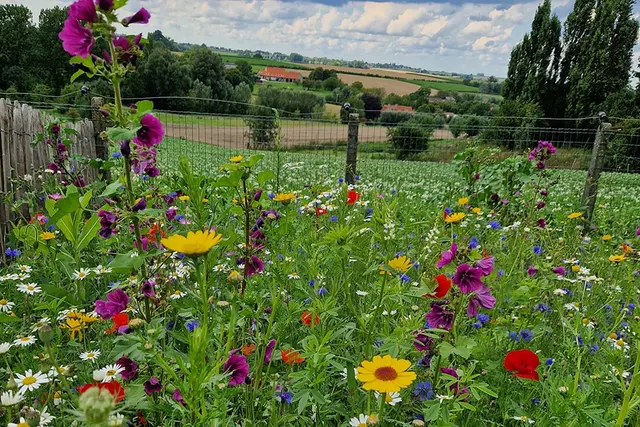
At a time when garden designers, landscapers and consumers apparently aspire to biodiversity, this uniformity is in stark contrast with reality. Moreover, plants are often planted in unsuitable soils, leading to disappointing results.
The call to use native species in almost every garden design also raises questions. In urban settings, native species such as large trees or woodland plants are not always the best choice. These species are adapted to wooded environments with well-aerated soils, conditions rarely found in our cities and village centres.
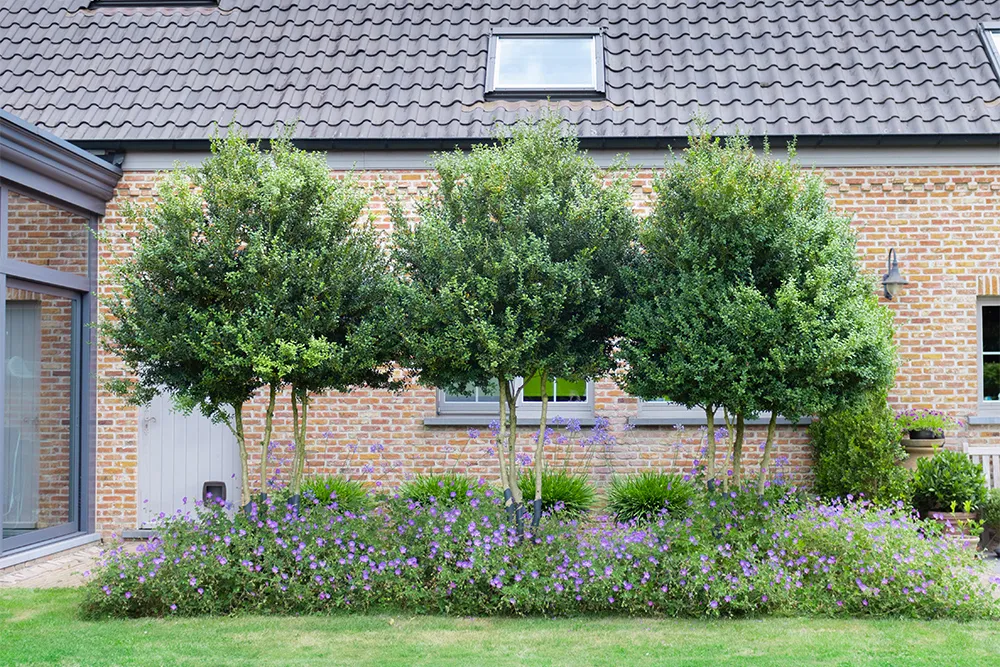
So what is the solution?
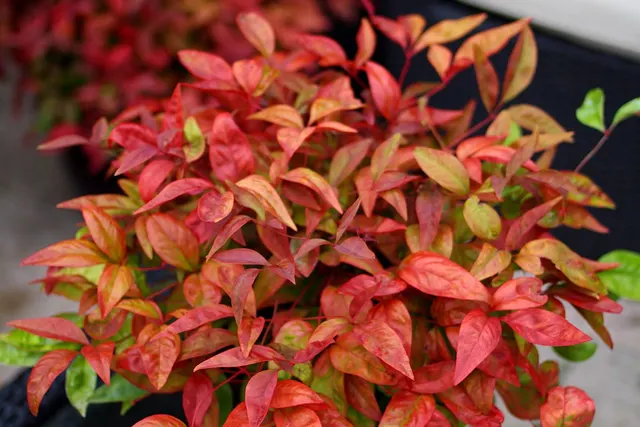
With a little research, hundreds of species and cultivars are easy to find, many with improved or unique characteristics that make them better suited to our cities and gardens. Many of these new plants are the result of breeding and selection, and offer genuine added value. Many are also particularly attractive to bees and other beneficial insects, thanks to their long or unusual flowering periods.
Many breeders and growers are active in Flanders and the Netherlands, developing these new plants. Flemish breeders, for example, have produced successful selections such as Best Select from ILVO, Betterbuxus® resistant boxwood varieties, planted in numerous well-known castle gardens, and countless ornamental horticulture creations in Rhododendron, Helleborus, Agapanthus and other plants.
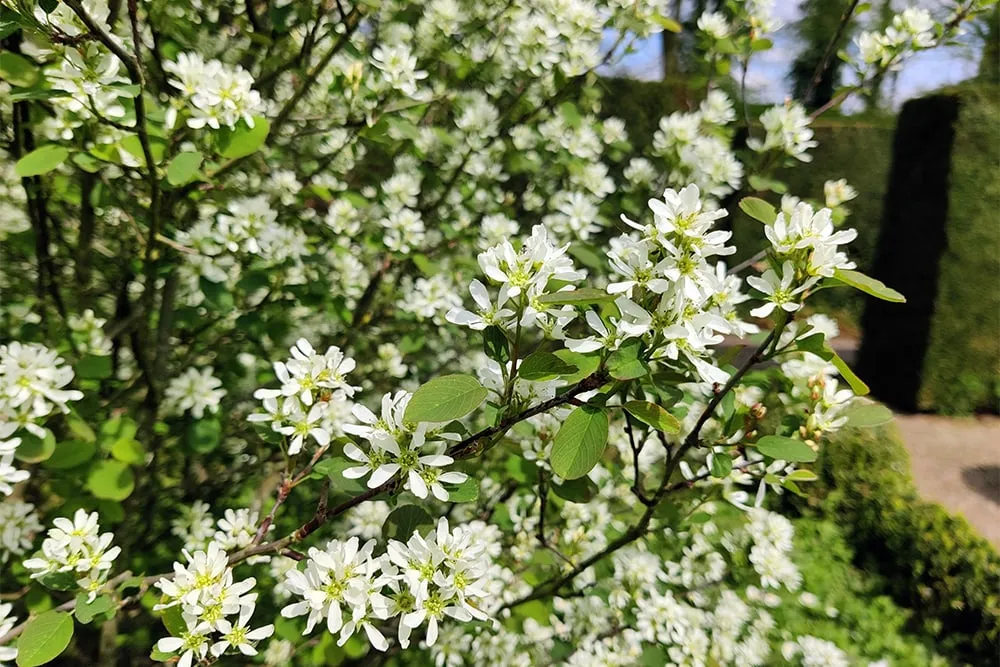
Complacency or lack of knowledge?
Yet these innovative plants struggle to find their way into the average garden, and many landscapers show little interest in this high-quality range. It is unclear whether this is due to complacency or a lack of knowledge.
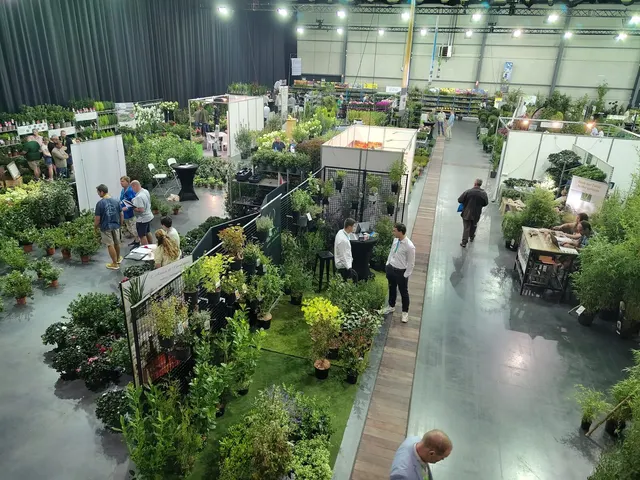
However, it is easy to keep up to date with these new plants by visiting the various trade fairs. Grootgroenplus in Zundert (the Netherlands) showcases a very extensive contemporary range. Florall in Waregem is Belgium’s only ornamental horticulture trade fair. It recently celebrated its 30th anniversary, but attracts few landscapers. The biennial Greenexpo in Ghent, the leading event for landscaping, also showcases a wide range of plants. These fairs offer excellent opportunities to build botanical knowledge and find inspiration for future projects.
A modern, biodiverse garden calls for a better and more varied plant range than the one often used today. Landscapers can draw on their professional expertise to stand out and help consumers enjoy a unique and distinctive garden.
Question about this story? Ask your question
Keep following this
Get an email when a new story is published. No account needed.
- SubjectTrees & plants