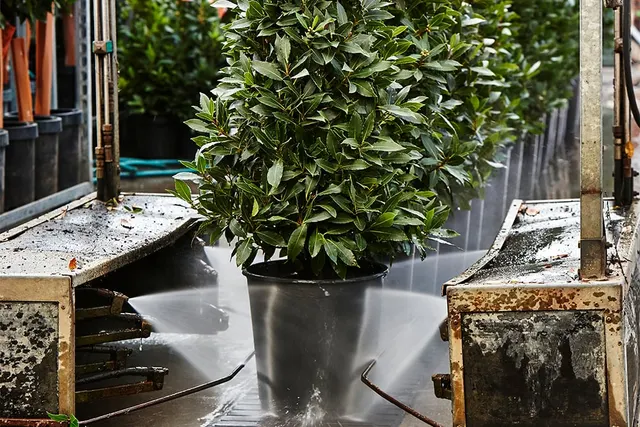
Plants that embrace autumn
Text Didier HermansImage Buxus: Herplant – Leucothoe en nandina: Plantipp – Liquidambar en Acer: Bömer David
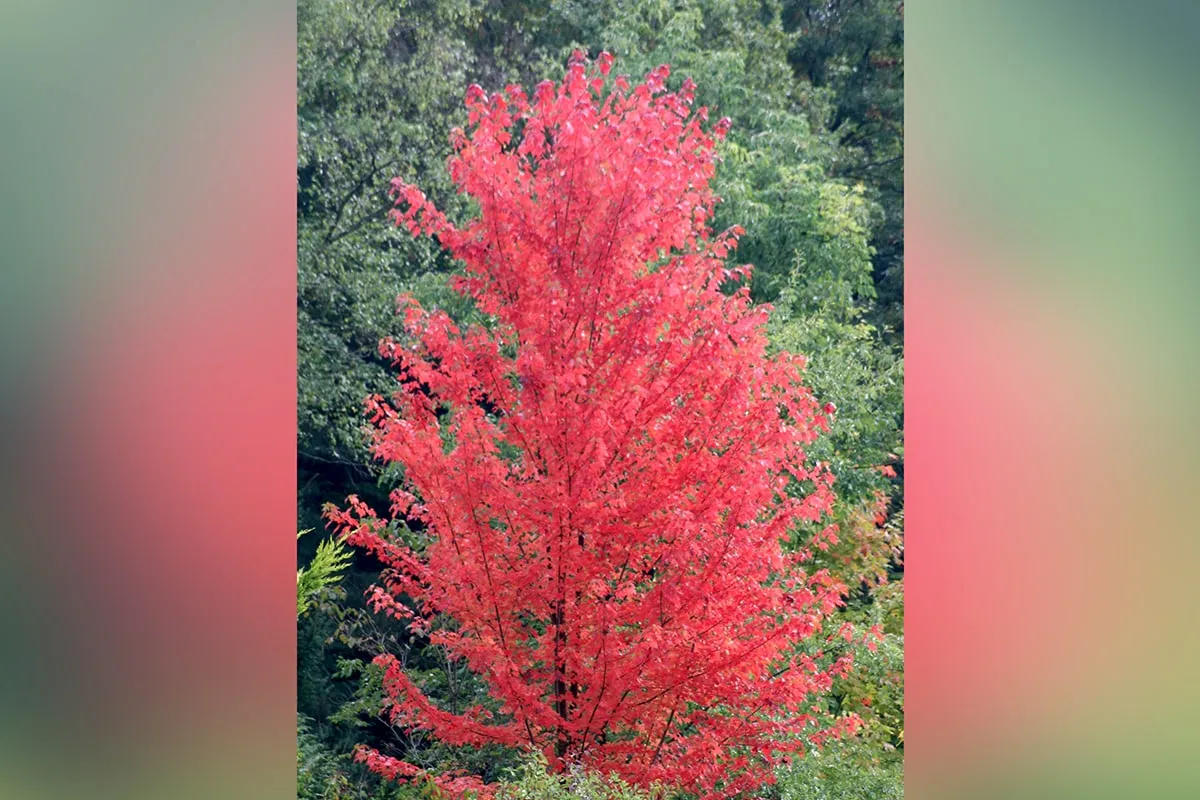
Summer is over, and autumn brings beautiful foliage colours. Sometimes they are spectacular, ranging from yellow and brown to red, bright orange and every shade in between. Think, for example, of the beautiful autumn colours of Acers or Liquidambars. After this colourful period, deciduous plants shed their leaves and enter winter dormancy. But now we turn our attention to another group: ‘wintergreen’ or evergreen plants.
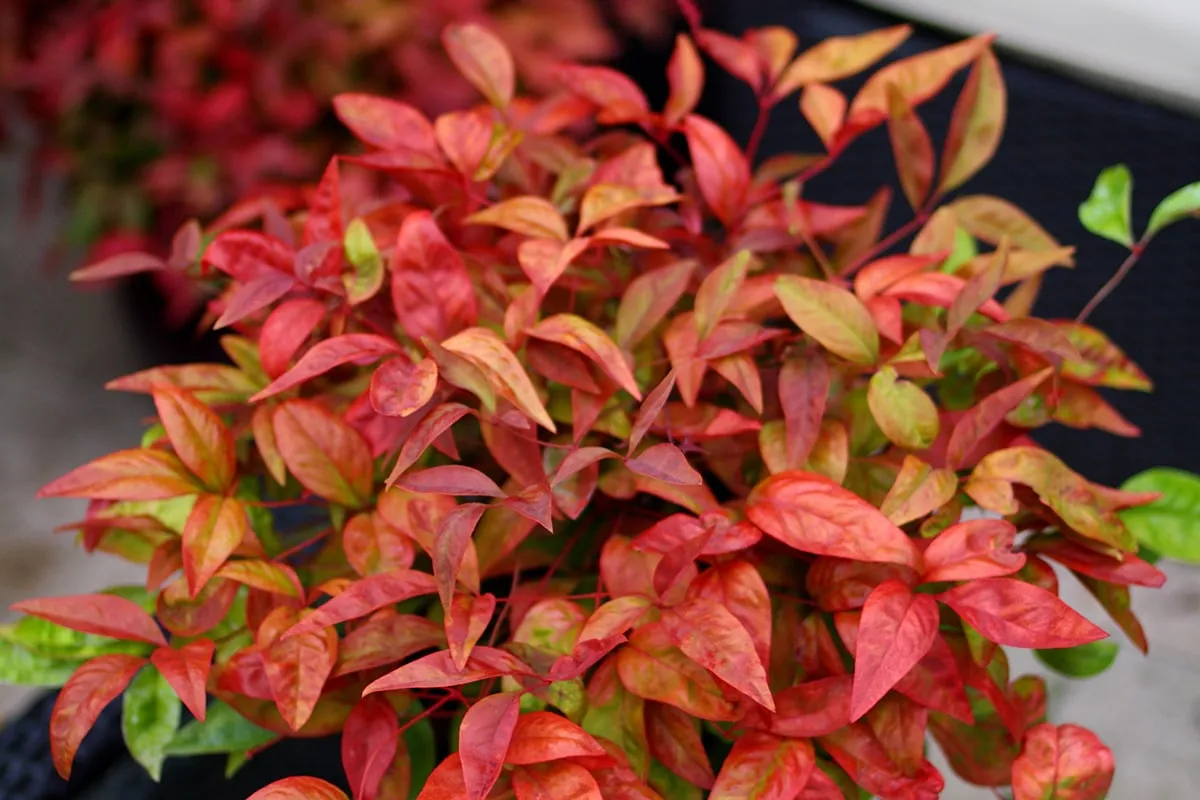
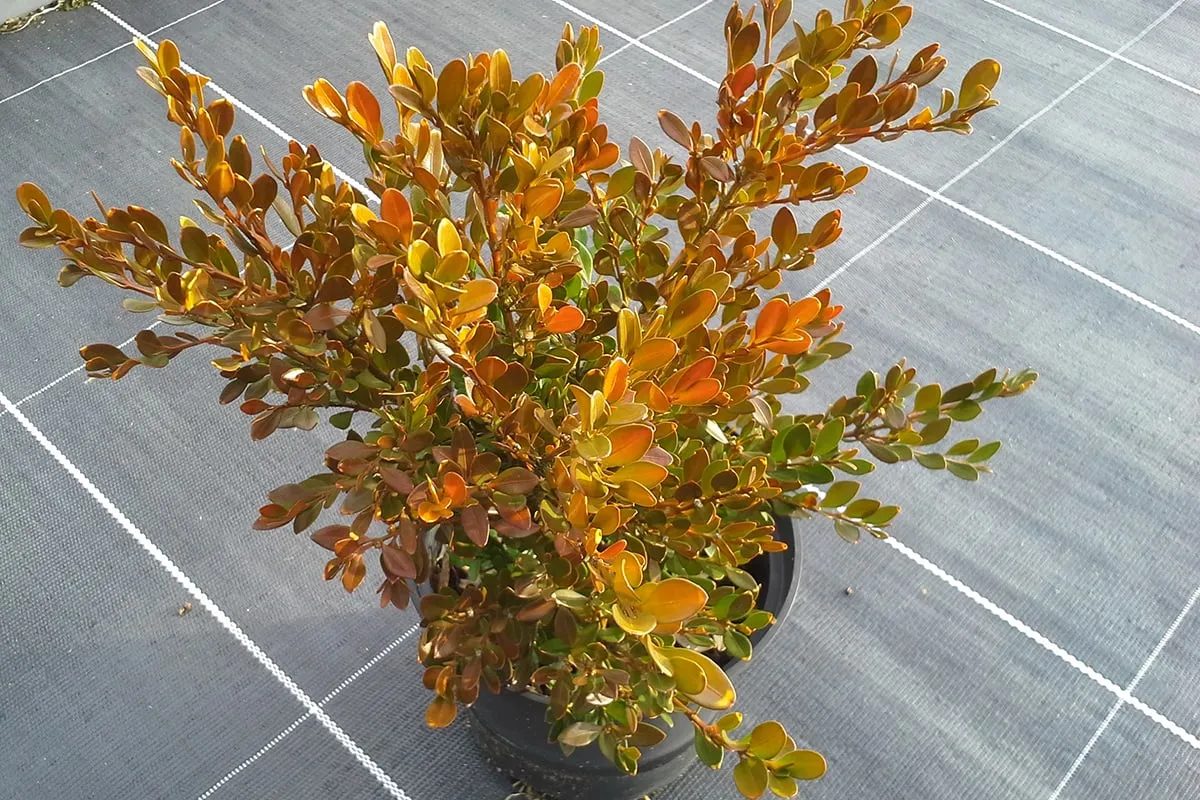
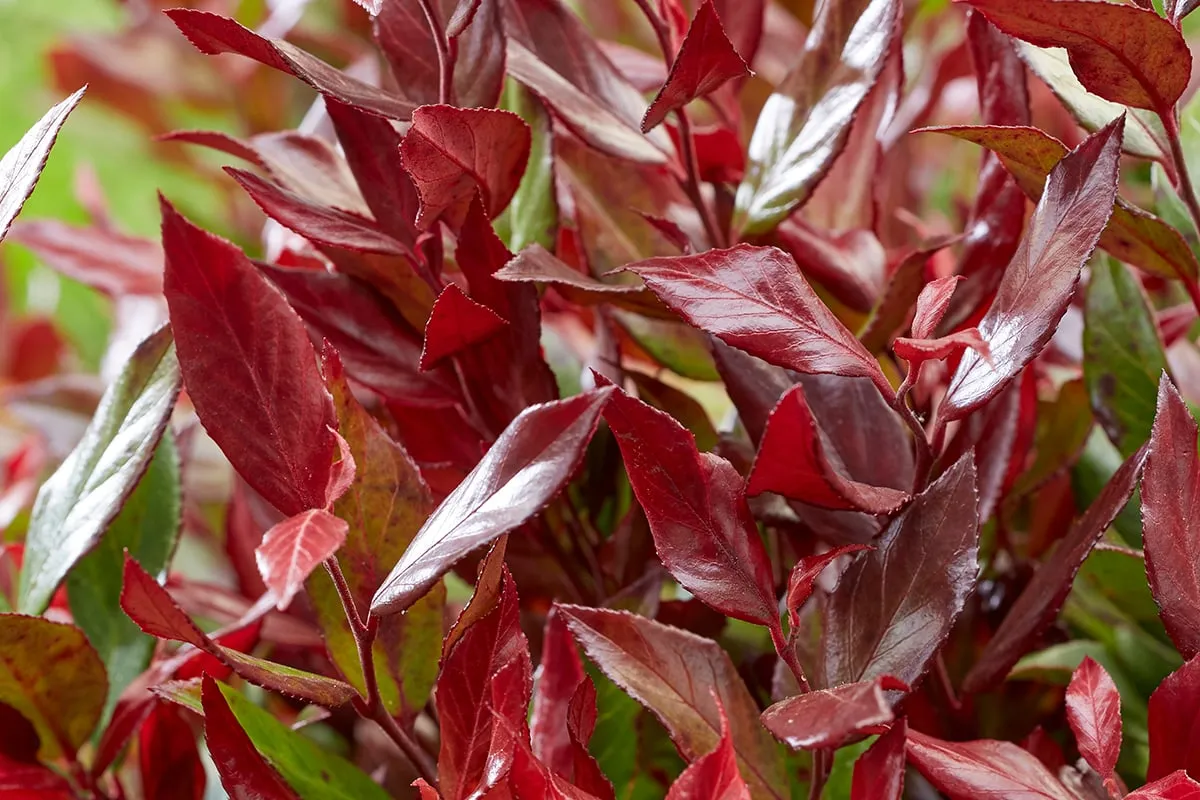
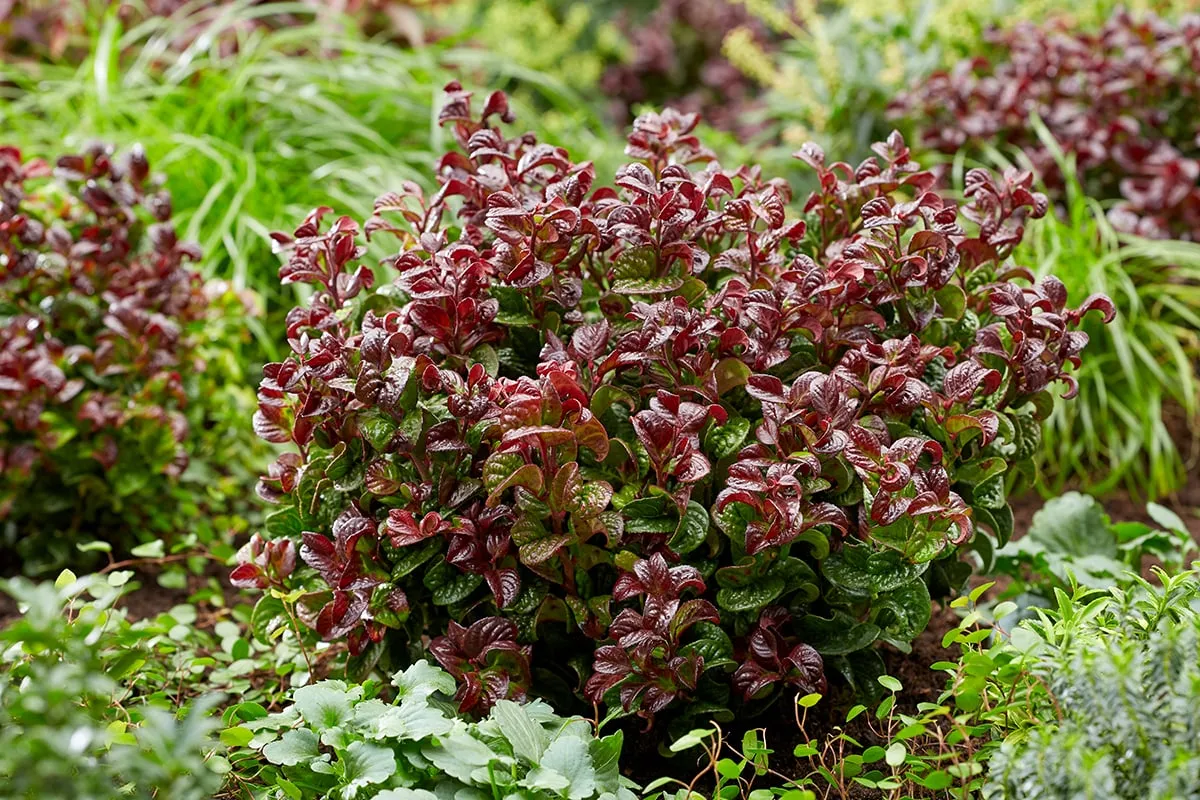
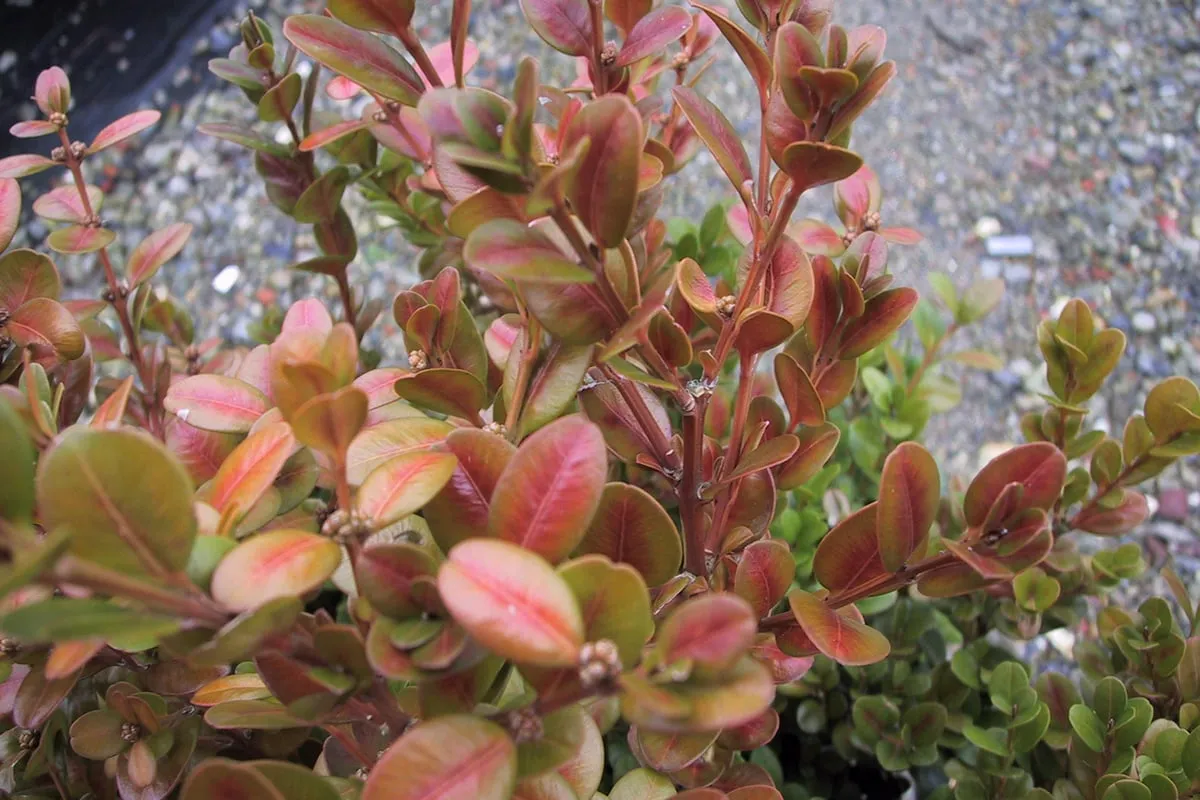
Some evergreen plants do not change colour and retain their green appearance, although their leaves may look slightly darker in autumn than in summer. Other species undergo an impressive transformation. The green foliage changes colour as chlorophyll levels fall and anthocyanins take their place, producing the beautiful autumn colours. This biological process, influenced by shorter days and lower temperatures, protects the leaves from the cold and prepares them for winter conditions.
These colour variations are seen as a major asset and add an extra dimension to our planting schemes. They provide a welcome break from monotone green. Many breeders are therefore working to develop an ever wider range of varieties, with new introductions launched every year to expand this colourful selection.
Here is a selection of plant genera often praised for their beautiful autumn colours.
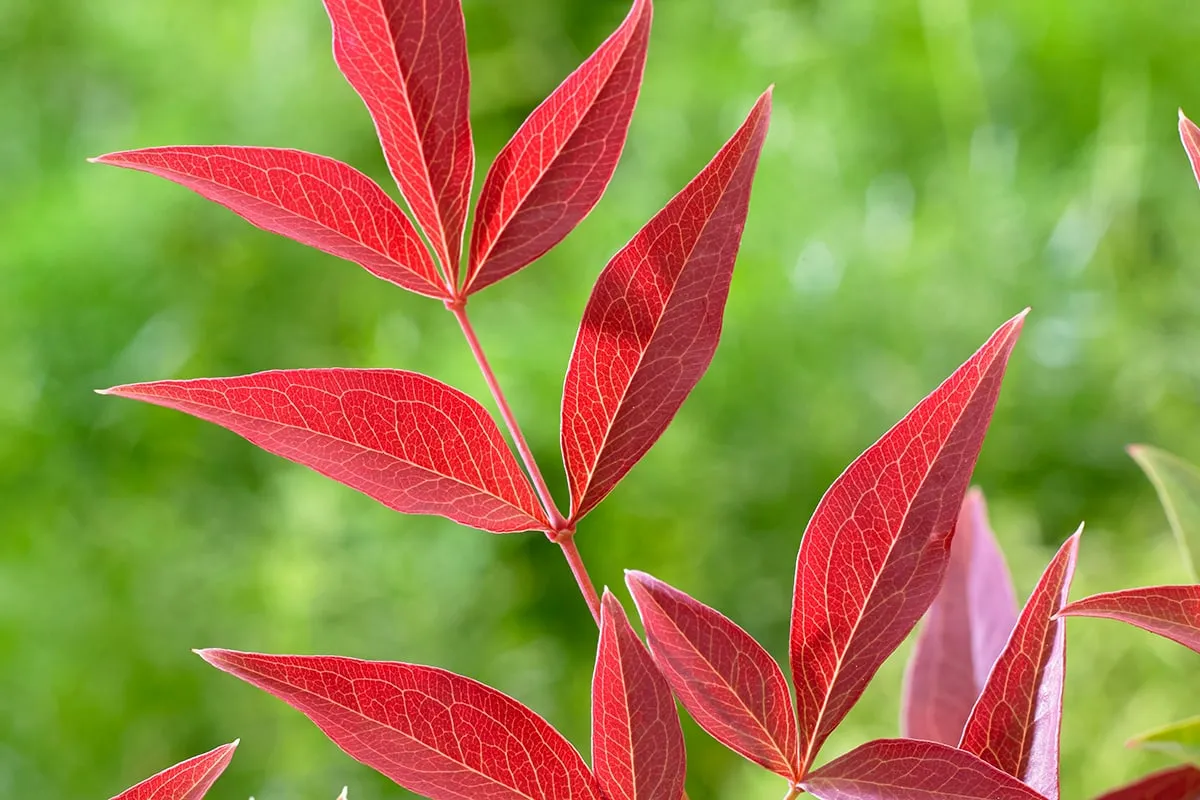
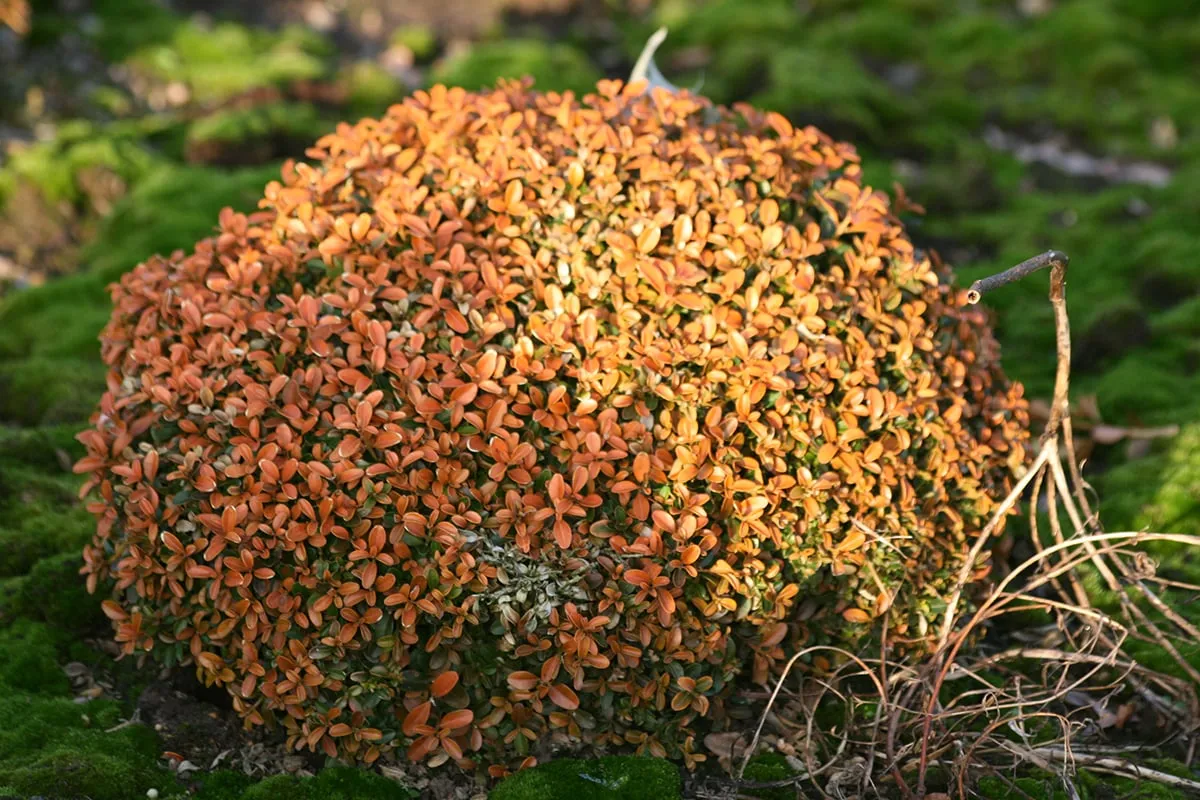
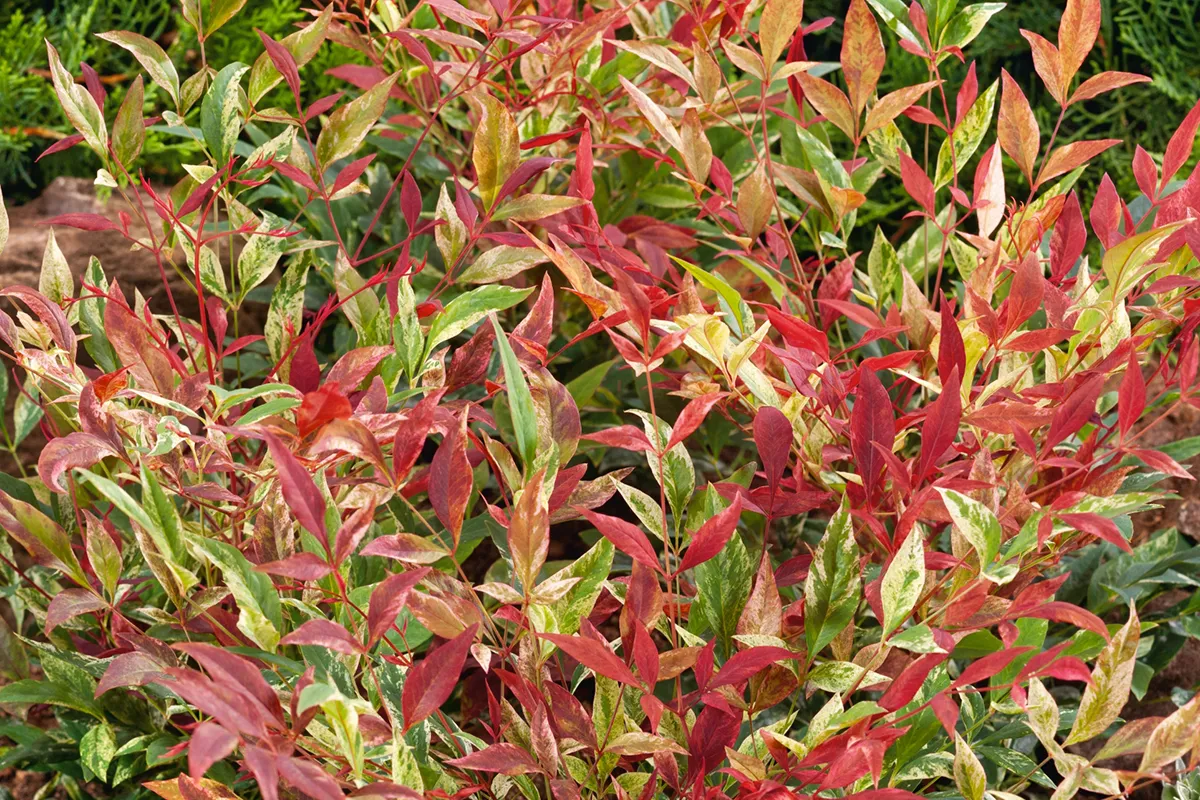
1. Leucothoe
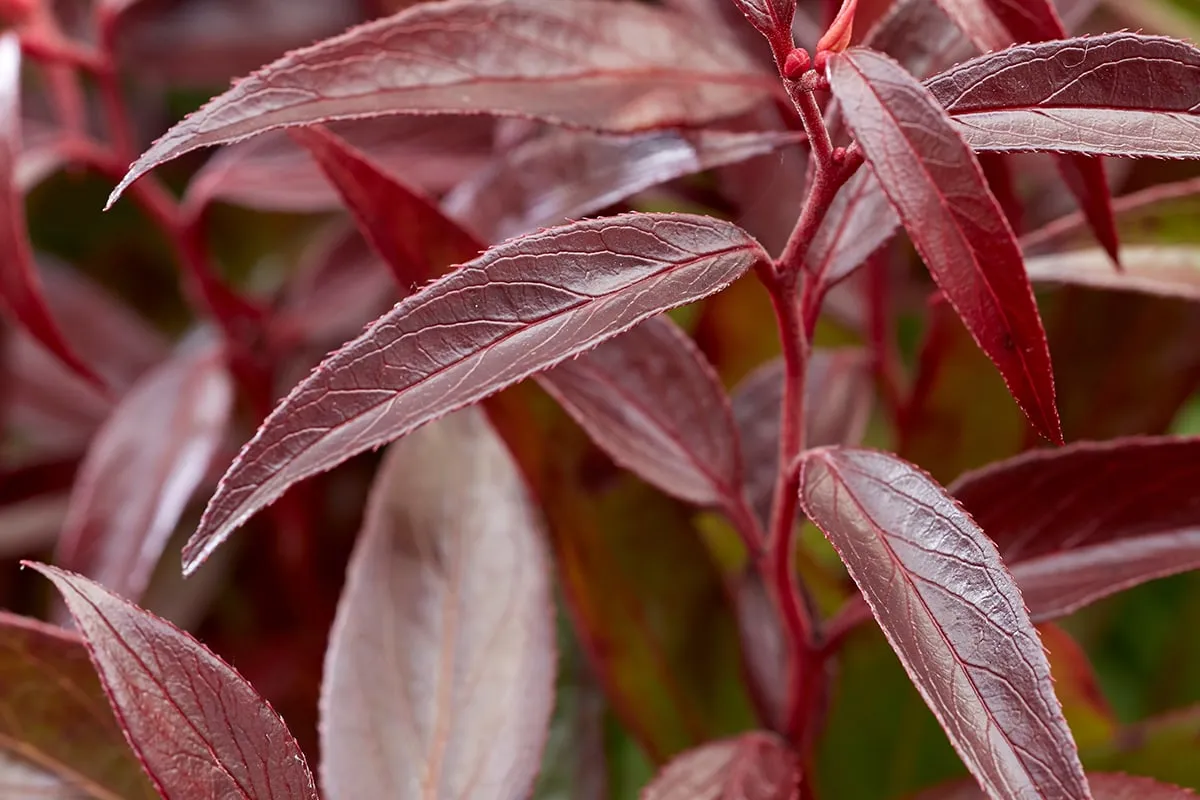
Leucothoe is a genus of ornamental shrubs in the heath family (Ericaceae), known for their decorative foliage and elegant growth habit. These plants are popular in gardens thanks to their versatility, low maintenance and striking foliage colours, which change throughout the seasons. Leucothoe is fully hardy and retains its leaves as temperatures fall, bringing colour to the colder months.
2. Nandina
Nandina is also known as heavenly bamboo. It is a versatile, elegant shrub native to East Asia. Despite its name, it is not a true bamboo, but a member of the Berberidaceae family. The plant is prized for its decorative foliage and striking berries in autumn, which are edible only to birds. They are bright red, ornamental and remain on the plant into winter. The dwarf form does not produce berries.
3. Buxus
There are also plant genera whose colour changes are less well known and therefore often less appreciated. Several Asian boxwood species, for example, display beautiful colour variations in autumn and winter. What makes boxwood special is that its winter colour disappears naturally: as temperatures rise in spring, the discoloured leaves turn green again. Soil nutrients also affect this colouration.
It is striking that many garden designers and landscape contractors do not fully appreciate the beautiful autumn and winter colours of plants and rarely experiment with them in contemporary gardens. Yet these colours could bring life to often monotonous green gardens, with the added benefit of increased biodiversity.
Question about this story? Ask your question
Keep following this
Get an email when a new story is published. No account needed.
- SubjectTrees & plants