Ecoflora supplies seed mixes tailored to every municipality
Text Trees AccouImage Geert Merlevede / Zeis en Bijl
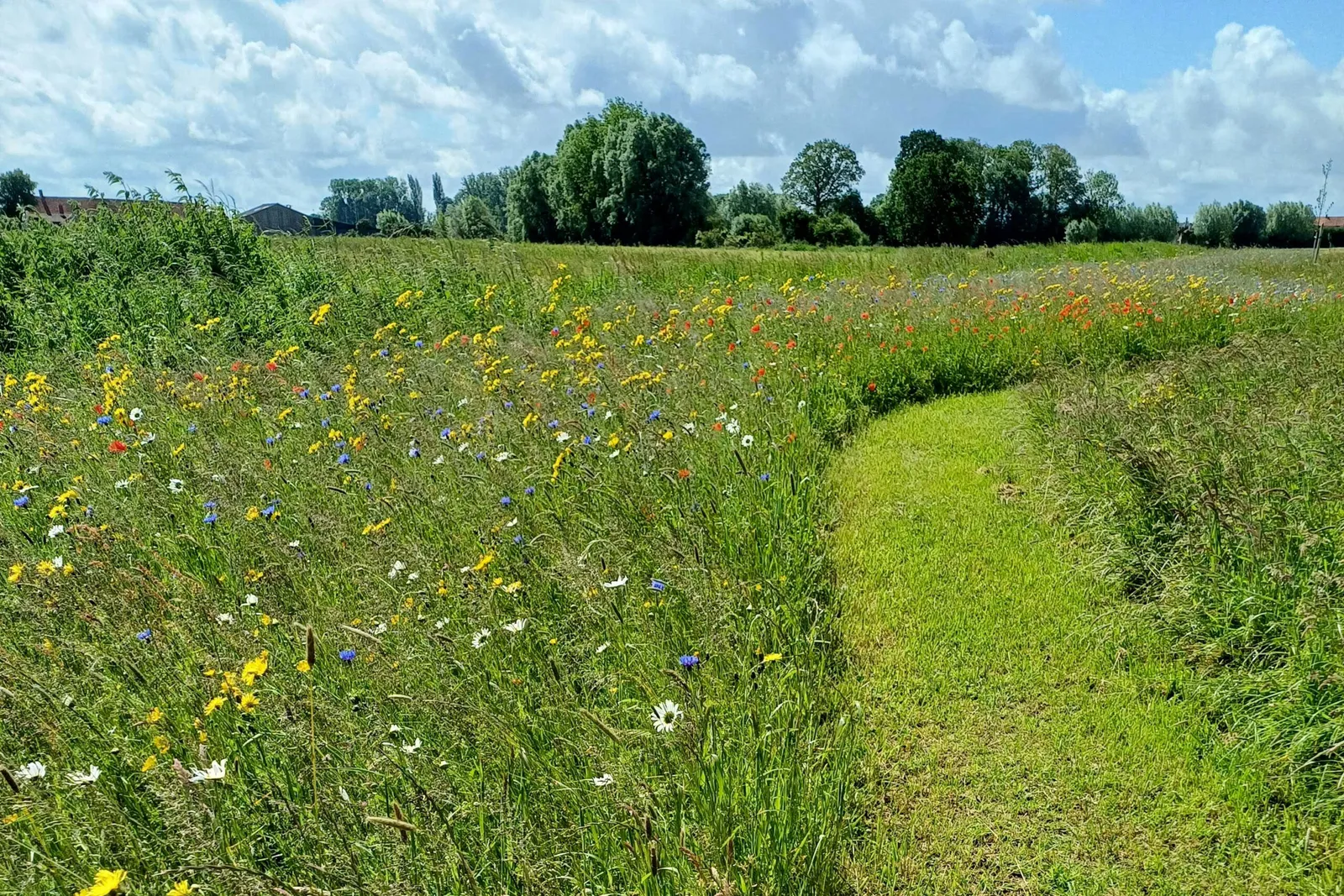
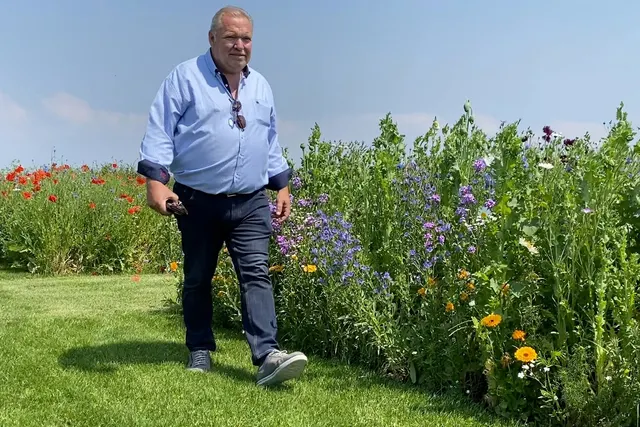
Ecoflora is an established name in the green sector. Thirty years ago, it became Belgium’s first wild-plant nursery, and it remains a pioneer today. In May, Ecoflora launched seed mixes tailored to municipalities in Flanders and Brussels, compiled by Cruydt-Hoeck. This enables every municipality to sow grasslands with locally native species and enhance natural biodiversity. Biodiversity adviser Kris van Ingelghem explains.
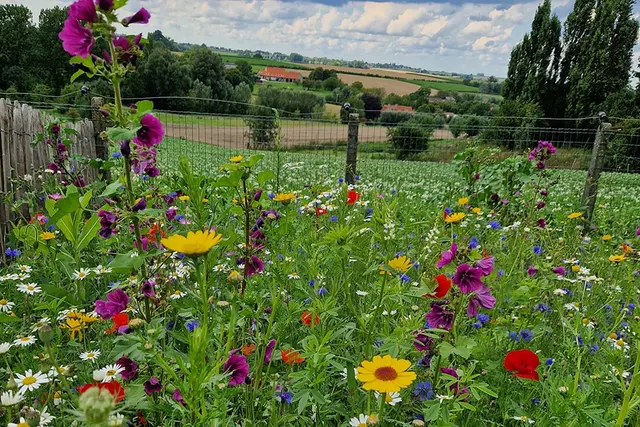
Seed mixes come in all shapes and sizes. They often focus on colourful annuals and non-native species, which are unfortunately unsuited to their surroundings and past their best after one season. Ecoflora is proud of its mixes of wild, native and autochthonous species. “They support insect life and biodiversity in the region, and are adapted to our climate,” explains biodiversity adviser Kris van Ingelghem.
Tailored mixes
In May, Ecoflora launched a first: working with Dutch company Cruydt-Hoeck, it made seed mixes tailored to every municipality in Flanders and Brussels available. “We based these on the ecodistrict, abiotic soil characteristics and past observations in each municipality. The mixes are therefore ideal for the soil and surroundings.” Each municipality can order its mix from Ecoflora and even request changes. For example, if they want lower-growing plants, such as for roadside verges, the composition can be changed in consultation. Each mix has its own number, making it easy to reorder later, with a minimum order of one kilogram. That is enough to sow an area of one thousand square metres.
“Because the seeds are so well adapted to their surroundings, you can sow them at a low density,” explains Van Ingelghem. “We are seeing a lot of interest from municipalities and green-space departments, and have already received several orders. Biodiversity is a live issue in Flanders.” Heist op den Berg’s green-space department agrees, having been one of the first to place an order. “As a bee-friendly municipality, we choose locally native plants to boost biodiversity, even in small spaces,” it says.
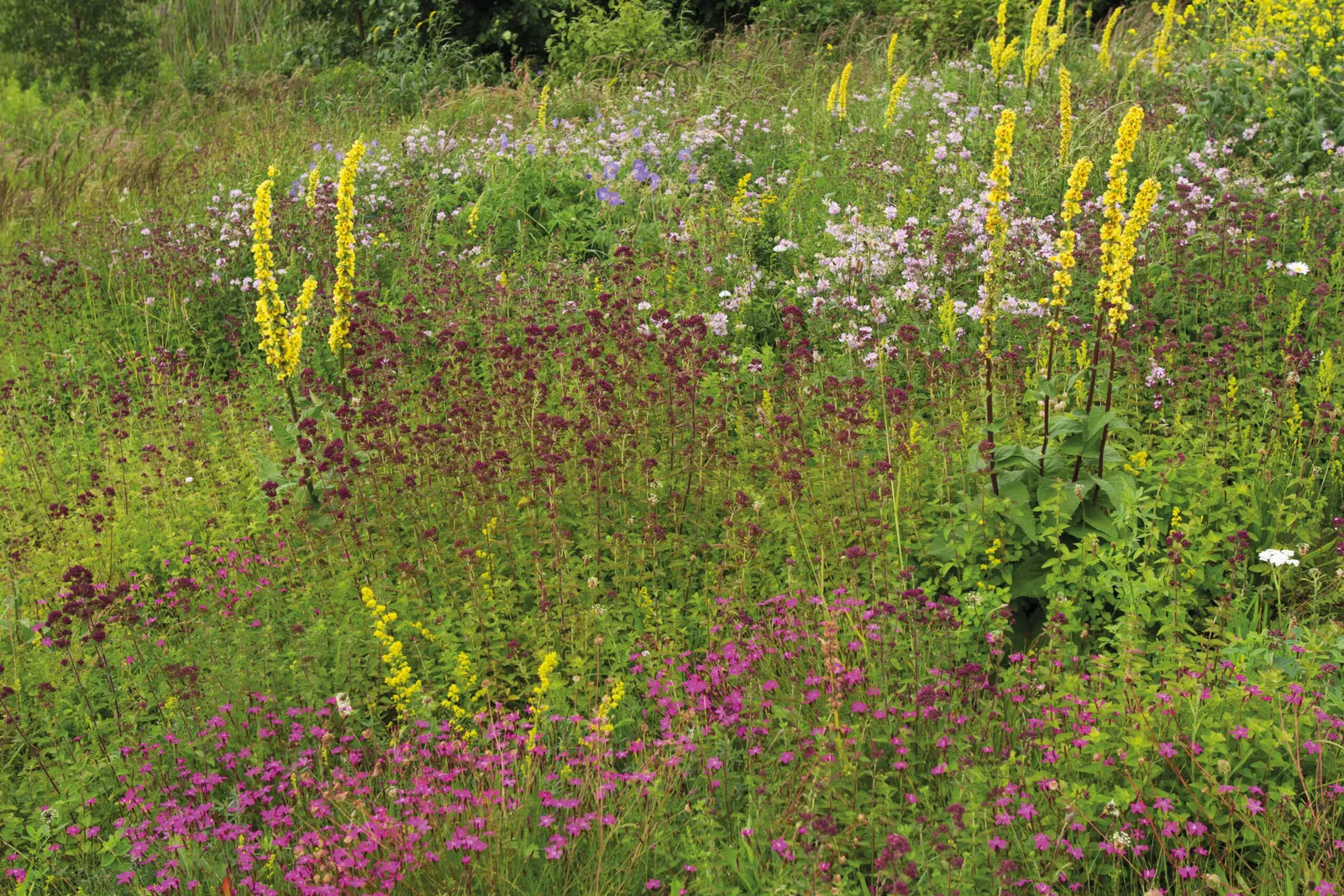
The importance of poor soil
Ideally, the seeds should be sown from August onwards. The weather is still warm then, rain promotes germination, and the cold-germinating species in the mix can start growing in spring. Spring sowing is another option. The soil must of course be prepared first. This is where cities and municipalities encounter the effects of over-fertilisation: the soil contains too much phosphate and nitrogen deposition in the air is too high. As a result, grass grows too quickly and outcompetes other plants.
The solution is to impoverish the soil before you start sowing. “The best way is to strip off the existing turf, by hand or with a turf cutter. Large areas can be tackled with an excavator. Ploughing the turf before winter is an option, although it is very disruptive to soil life. Once the soil has been impoverished, loosen it so that fragile seedlings can take root more easily,” explains Van Ingelghem.
Mowing brings flowers
An information section on establishing and managing grasslands will soon be added to the Ecoflora website. Even after sowing, this planting needs an appropriate mowing regime to thrive, with two to three cuts a year. Mowing and removing the cuttings further impoverishes the soil and optimises the balance between grasses and flowering plants. The advice is based on decades of experience and findings from the HerBioGras project. Since 2017, this practical field trial by HOGENT research centre AgroFoodNature has been investigating how to restore biodiverse grasslands. Ecoflora and Cruydt-Hoeck’s seed mixes were among the best performers in the trial.
“Our seed mixes are designed for sustainable biodiversity restoration. That is why they contain not only annuals but also a substantial proportion of perennial plants. With the right mowing regime, the grassland will thrive for years,” concludes Van Ingelghem.
Question about this story? Ask your question
Keep following this
Get an email when a new story is published. No account needed.
- ThemeGreen space for everyone
- SubjectTrees & plants