How to increase the chances of success for every landscaping project
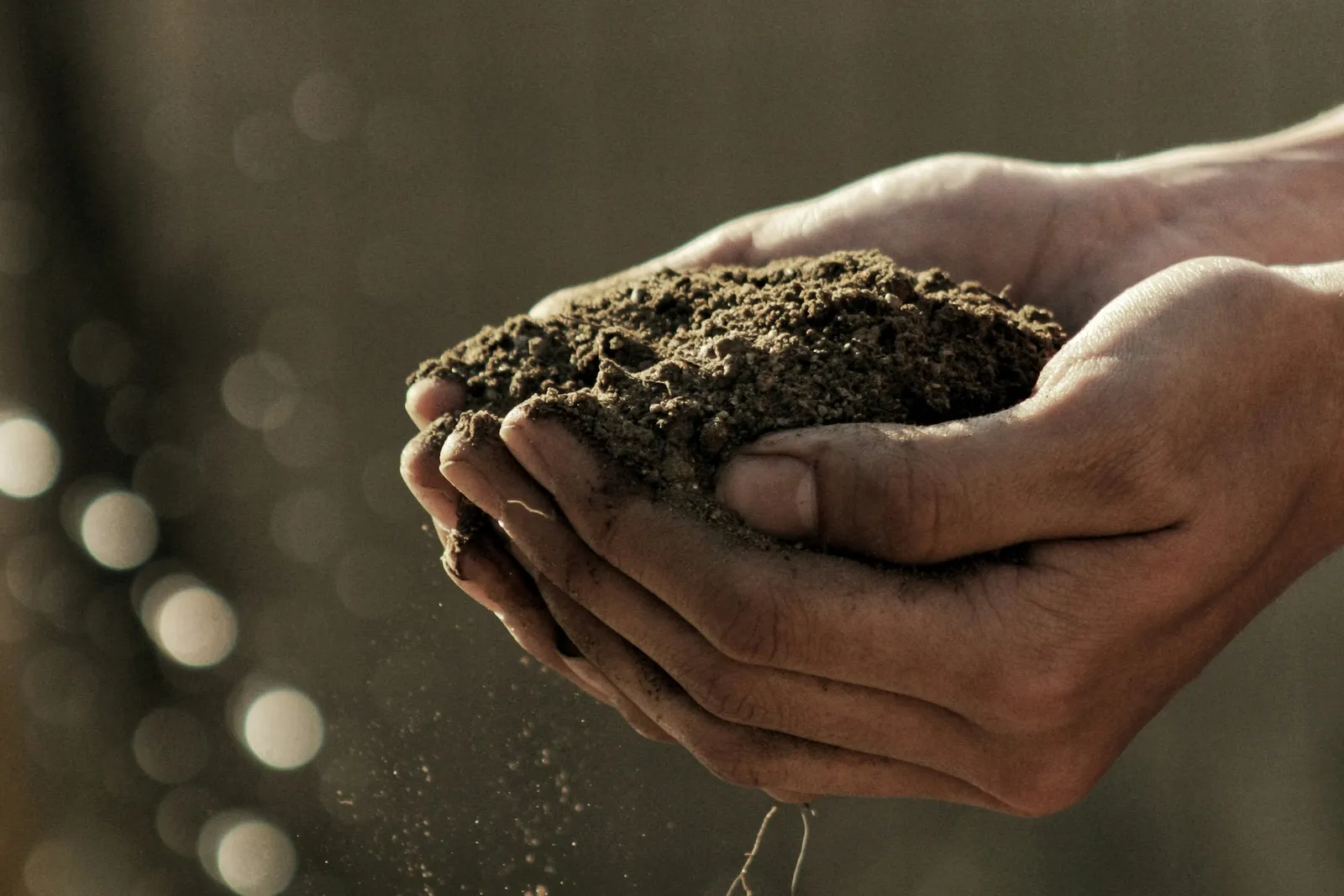
Unfortunately, it still happens all too often: landscaping projects, both private and public, where new planting simply fails to establish. Or where keeping plants alive becomes a battle every season, involving all kinds of tricks and treatments. Sound familiar? Then you’ll probably agree with me that in three out of four cases, the problem can be traced to what lies beneath our feet: the soil. Follow these tips to significantly increase the chances of success for any landscaping project.
Tip 1: Think before you start, and have a soil sample analysed
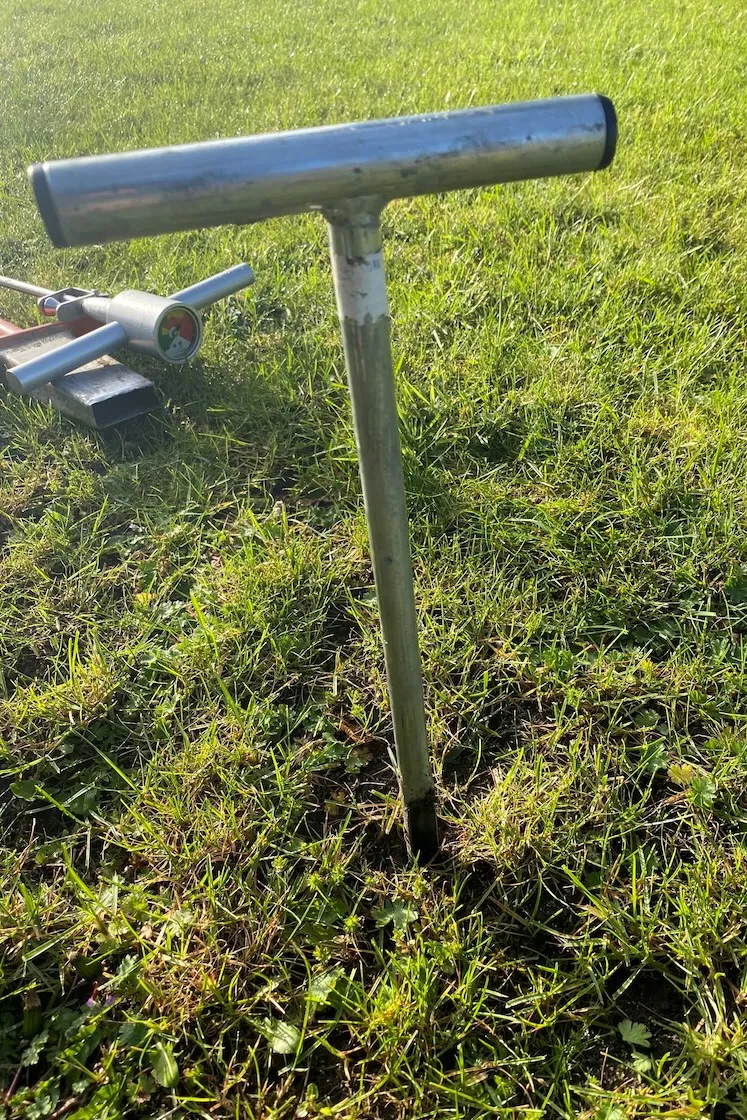
Many problems with landscaping projects could have been prevented by having a soil sample analysed beforehand. Yet this step is still often skipped, particularly on installation projects. Taking a soil sample costs time and money, and in practice, everything has to move quickly. That’s true, but this small investment will save you much more time and money later on.
A soil analysis provides insight into important parameters such as texture, acidity (pH), organic matter content and nutrient levels. Only once you know these parameters can you make informed decisions about soil improvement and planting. If you’re not familiar with this kind of analysis, ask a specialist or your supplier of soil improvers and fertilisers for guidance. That way, you can be sure of taking the right approach and creating healthy, fertile soil.
Tip 2: Don’t use green compost indiscriminately, and leave that bag of lime on the shelf unless it’s really needed
Green compost is a valuable soil improver thanks to its humus-rich constituents, abundance of beneficial micro-organisms and wide availability at a reasonable price. But take care: it’s no miracle cure that works everywhere and every time. Green compost raises soil pH, making the soil less acidic. This can be beneficial, but some plants prefer acidic to neutral soil. If the pH is already high, too much green compost can do more harm than good.
The same applies to lime. It is useful if the soil is too acidic and the planting requires neutral to alkaline soil. But be careful: correcting a pH that is too high is much more difficult and costly than raising a pH that is too low. In short, use green compost and lime with care, and tailor their use to the soil’s actual needs.
Tip 3: The three pillars of soil health: humus, structure and soil life
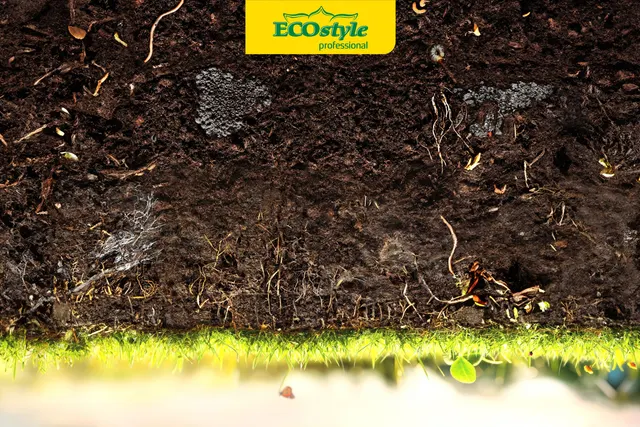
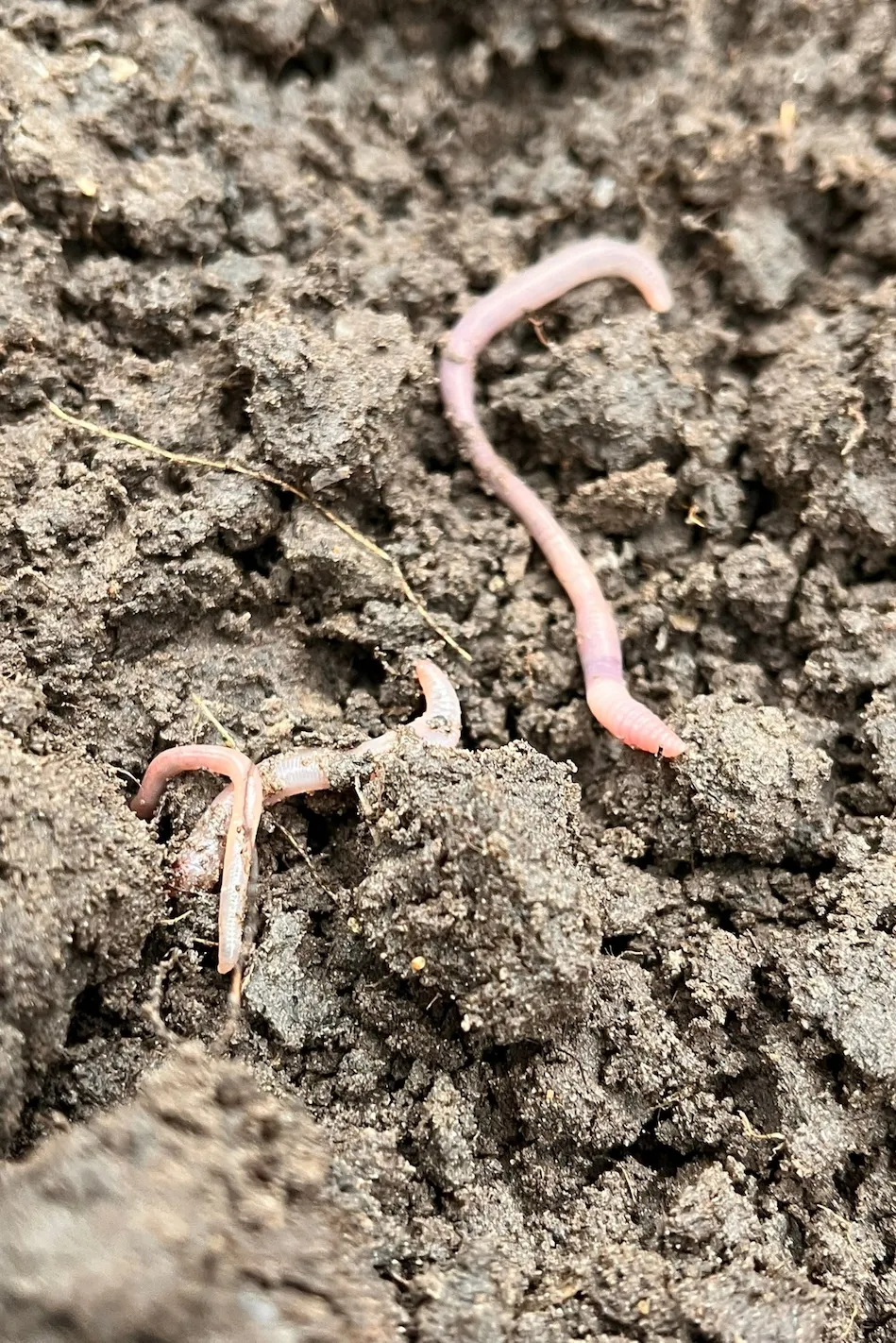
Healthy soil consists of four components: mineral particles (clay, silt, sand), air, water and organic matter. This organic matter consists mainly of humus, but also includes decomposing and dead material, plant roots and soil life. Three key pillars are essential for creating fertile, balanced soil: humus, structure and soil life.
Humus is the driving force behind healthy soil. It improves nutrient uptake and soil structure, and helps maintain an optimal balance of air and water around the roots. Humus levels can be increased with soil improvers made from plant-based raw materials, such as green compost or Karisol®.
Soil structure also plays an important role alongside humus. Well-structured soil allows water and oxygen to circulate freely, which is essential for healthy root growth. This can be encouraged through appropriate soil cultivation and minimal disturbance of the subsoil by heavy machinery. Certain soil improvers, such as Karisol® Complex or Agrosil® LR, can help further improve structure and optimise permeability.
When there is a stable humus layer and healthy soil structure, a diverse and active soil community can thrive. Micro-organisms and soil fauna then work together with plant roots, leading to more efficient nutrient uptake and greater natural resistance to disease. Adding soil improvers such as TerraPlus® ReVital can further support this process.
Promoting these three pillars of soil health, humus, structure and soil life, significantly increases the chances of success for any landscaping project. Good luck!
Question about this story? Ask your question
Keep following this
Get an email when a new story is published. No account needed.
- SubjectGarden maintenance