Sustainable overseeding in three steps
Text Elise NoyezImage DLF
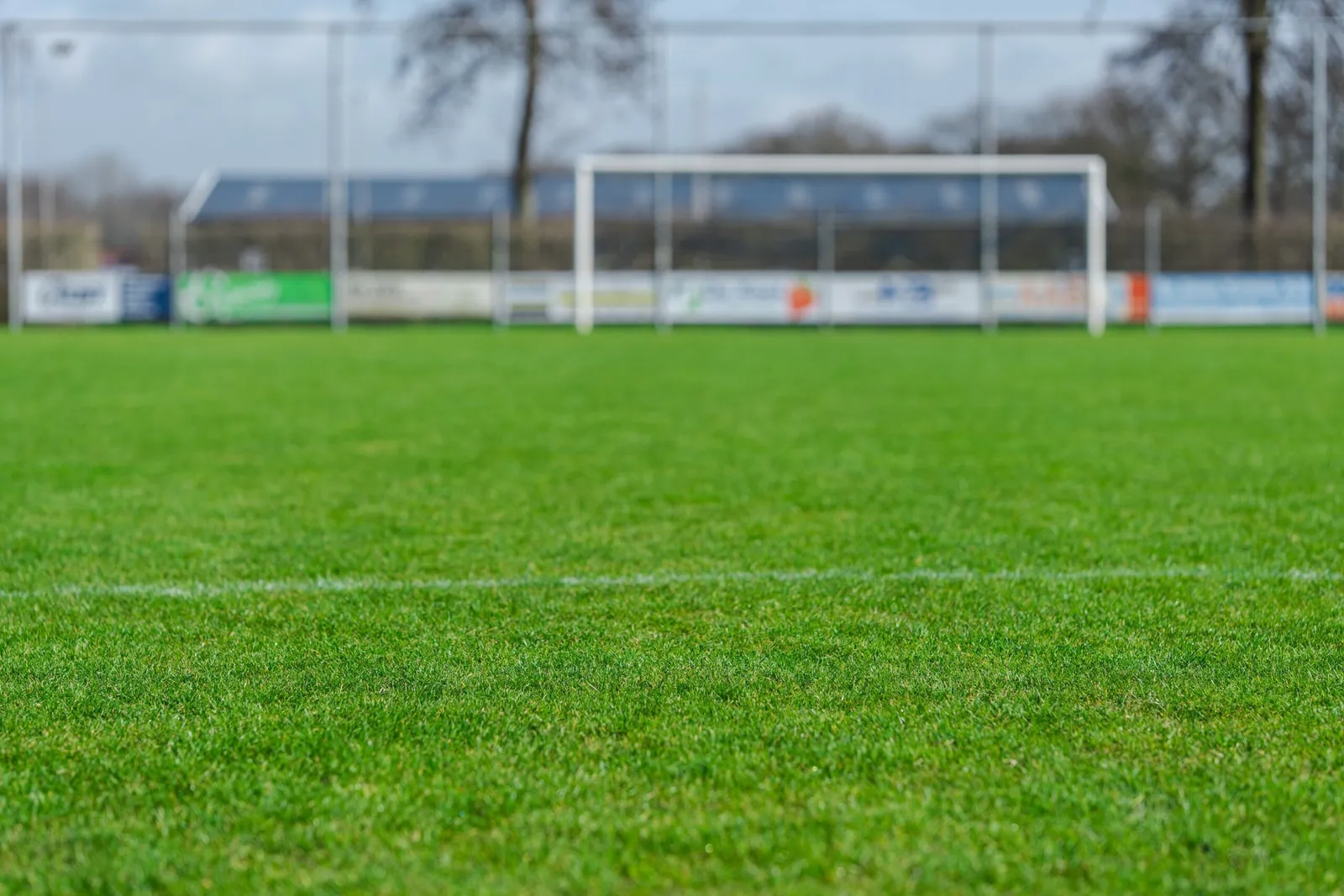
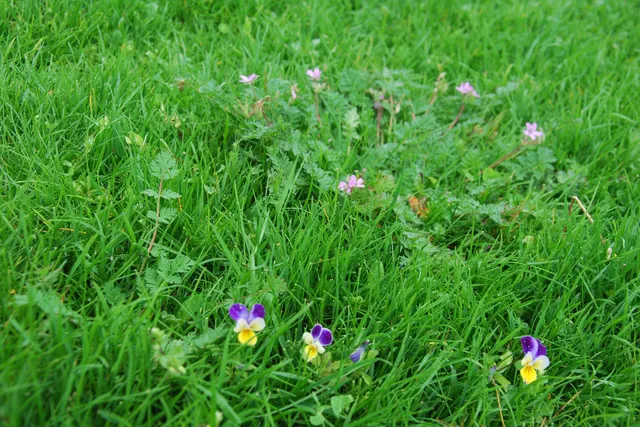
After winter, lawns and sports fields can look rather sorry for themselves. Bare patches and other damage spoil what was once an evenly green sward, and the grass plants that remain are not yet able to take up many useful nutrients. It is therefore best to start overseeding early in spring. “Using the right varieties not only helps the sward recover quickly, but also makes it stronger. You increase its tolerance to heat, drought and disease,” says Erik Dolstra of DLF. “That helps the grass get through the summer in better shape.”
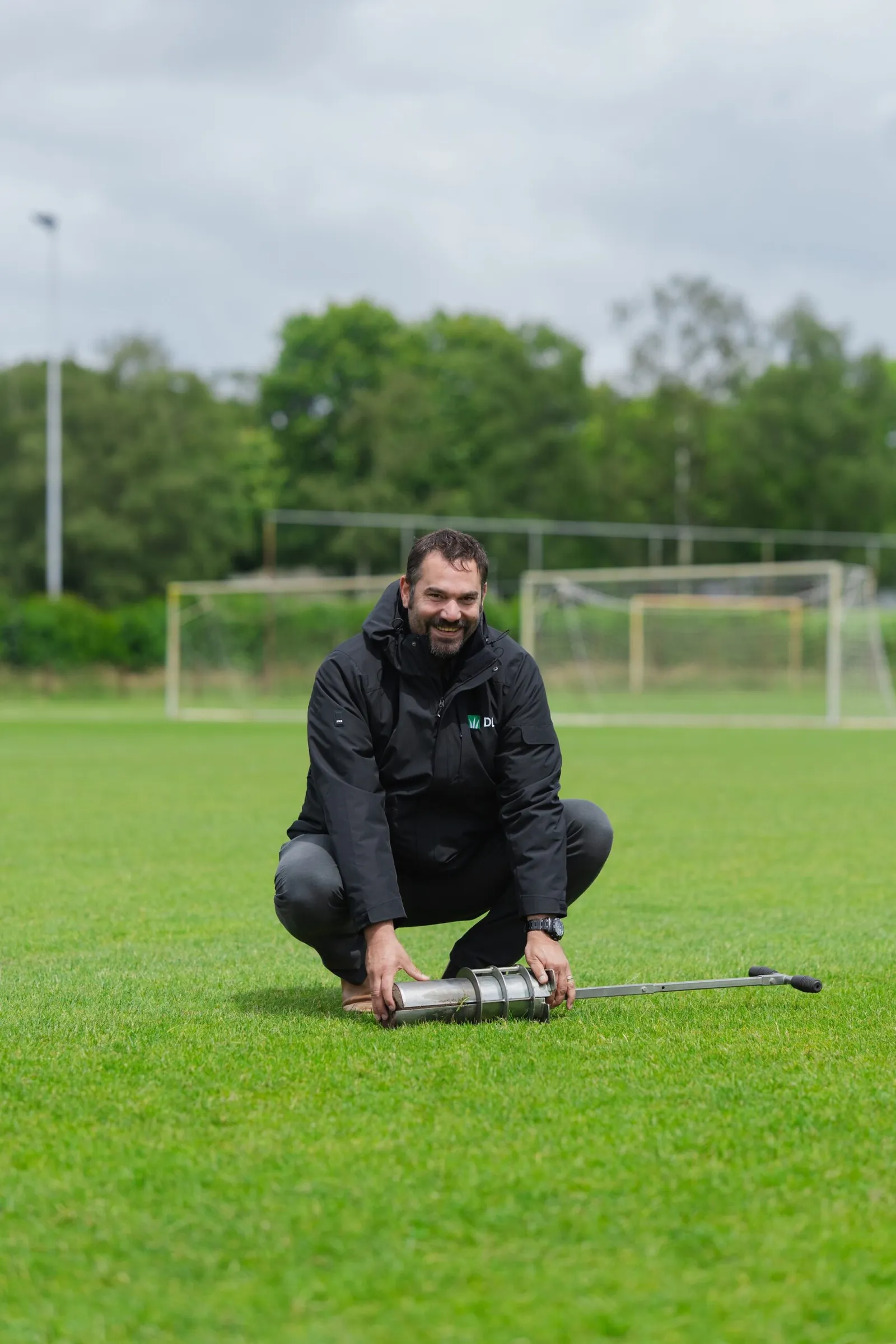
Erik Dolstra is a specialist in amenity grasses at grass seed breeder DLF. Every day, he advises numerous sports and golf clubs in Belgium and the Netherlands on achieving the perfect sward. “What applies to a football club can, in principle, be applied just as readily to public green spaces or a private lawn. It always comes down to the right genetics and building a strong grass sward. The advantage with a traditional lawn is that you generally have more time to do so.”
Step 1: Early recovery
To prepare a sward or lawn for a new season after winter, you can in principle start overseeding as soon as the soil temperature reaches 4 degrees Celsius. Westerwold ryegrass is still often used for this, but Dolstra says it has long ceased to be the best option. “Westerwold ryegrass has the advantage of germinating at low temperatures, so it can help the sward recover quickly. Unfortunately, it does not offer the quality you want in your sward throughout the year. It is also an annual grass species, so it has little to offer in the long term.” As an alternative, Dolstra recommends tetraploid perennial ryegrass such as 4turf. “This also germinates at low temperatures, but has considerably better tolerance to heat, drought and wear. In other words, it not only helps restore your sward, but strengthens it at the same time. It is no coincidence that it is among the very best in the Dutch GrasGids.” When buying a repair or overseeding mix, it is therefore very important to check its composition carefully. “You can learn a lot from a label, such as the Oranjeband logo. It shows that all the varieties in the mix are listed in the latest GrasGids. But you are generally in good hands if the mix contains a large proportion of tetraploid perennial ryegrass and the varieties used are listed in the GrasGids, as is the case with DLF’s Masterline 4-4-2 Master.”
Step 2: A dense sward
When temperatures rise and the soil reaches around 12 degrees Celsius, it is time to start working on the grass sward in earnest. “If you have enough time, I always recommend overseeding with smooth-stalked meadow grass, for example DLF’s Masterline BeemdMaster. Its underground runners create an exceptionally strong sward. For sports clubs, this translates directly into more hours of play. The drawback of smooth-stalked meadow grass, however, is that it is slow to germinate, so it takes a while to produce that strong sward. This is generally not a problem for private lawns, but it can take too long for a football club. In that case, mixes such as Masterline 4-4-2 Master, which contains both tetraploid and diploid perennial ryegrasses with high wear tolerance and good recovery capacity, are the best alternative. That said, in my view, perennial ryegrass can never replace smooth-stalked meadow grass.”
Step 3: Aftercare
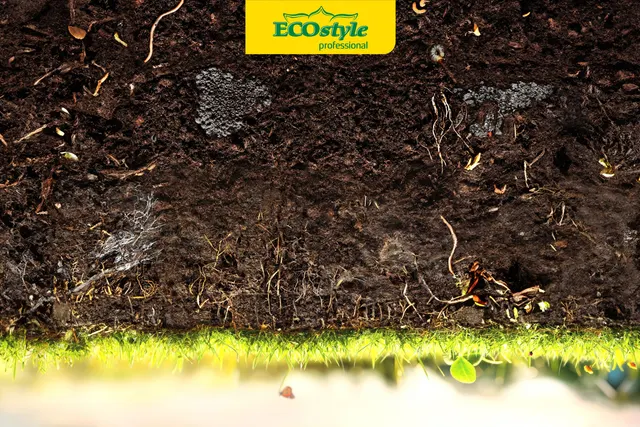
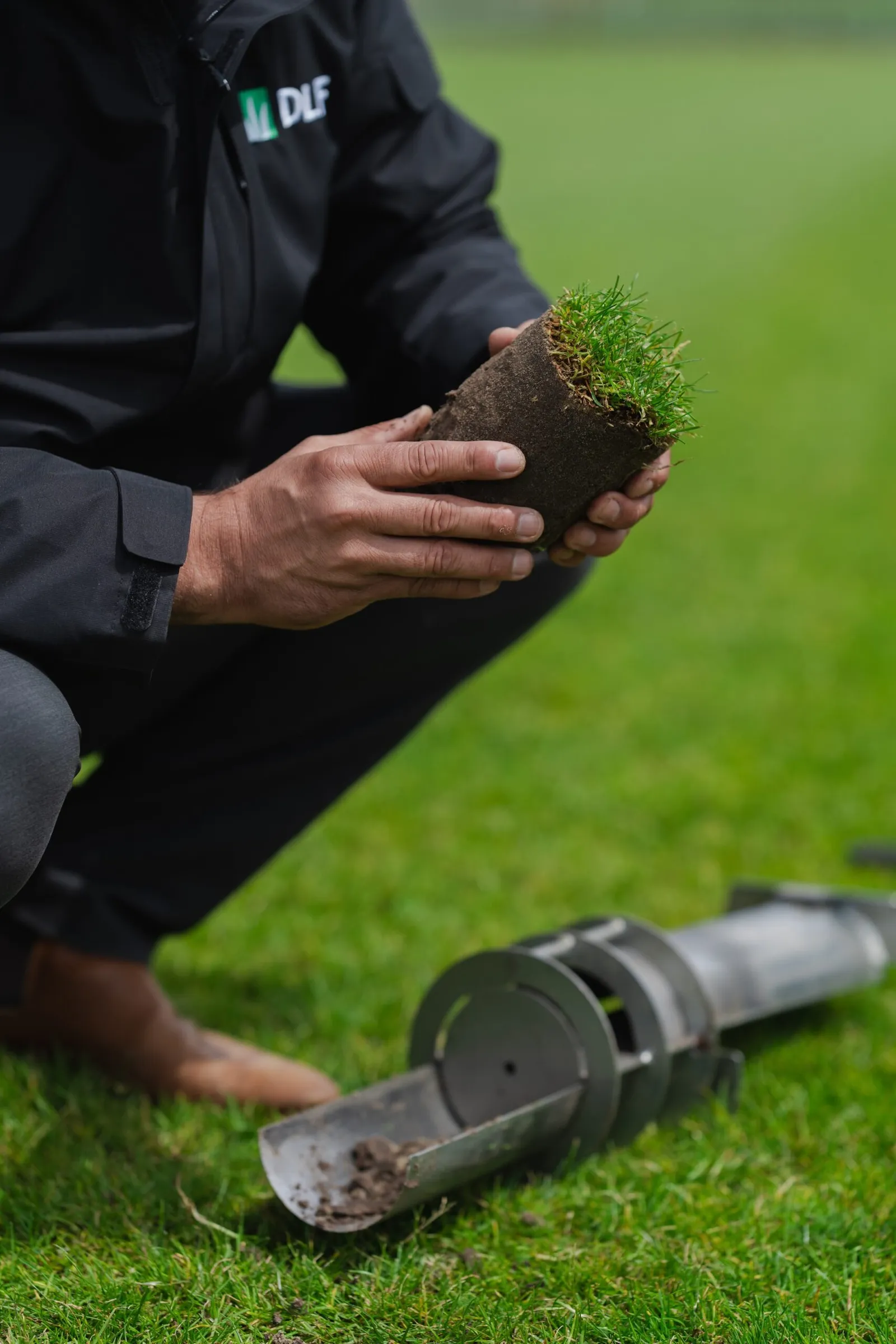
Good aftercare is, of course, also essential after overseeding. For the occasion, Dolstra highlights two aspects: irrigation and fertilisation. “Measuring is knowing,” he says. “In principle, you want to maintain a soil moisture content of between 15 and 25 per cent. Also check the root system from time to time, and avoid reducing irrigation too quickly, especially if you have overseeded with both perennial ryegrass and smooth-stalked meadow grass. It is quite common for people to stop irrigating as soon as the perennial ryegrass comes through, but smooth-stalked meadow grass takes longer. It can easily need around six weeks of irrigation, compared with three to four weeks for perennial ryegrass. For the same reason, it is best not to start applying nitrogen too early.”
Een zakelijke vraag aan DLF BV? Get in touch
Companies in this story

Keep following this
Get an email when a new story is published. No account needed.
- ThemeHard-wearing turf
- SubjectGarden maintenance
- CompanyDLF BV