GreenPro Vlaanderen is part of Louwers Mediagroep: 45+ trade platforms in the Netherlands, Flanders and Wallonia. Trade magazines, websites, newsletters, video and podcasts, since 1987.
After years of development, Savic Group has launched the Drainjet. Its vertical drainage system allows water and oxygen to pass through the soil without damaging it.
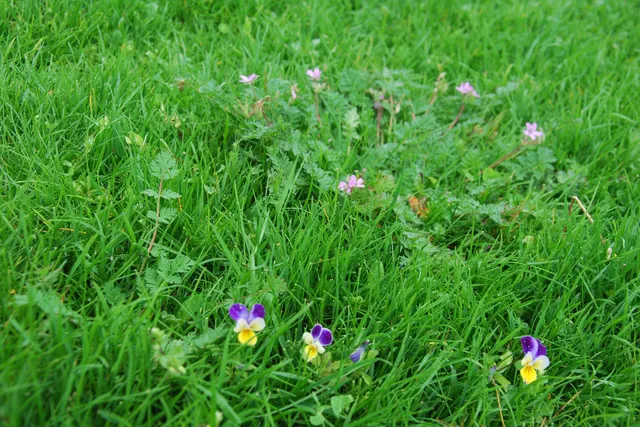
The Drainjet was developed to break through disturbed and compacted soil layers, allowing rainwater and surface water to flow back towards the water table in the deeper soil structure. The machine can be used in a wide range of situations: on lawns that remain waterlogged for long periods, where plants inexplicably die after a while, on car parks where large puddles fail to drain, on muddy horse arenas, in fields with standing water, on waterlogged farmland and on soggy industrial sites.
Equipment
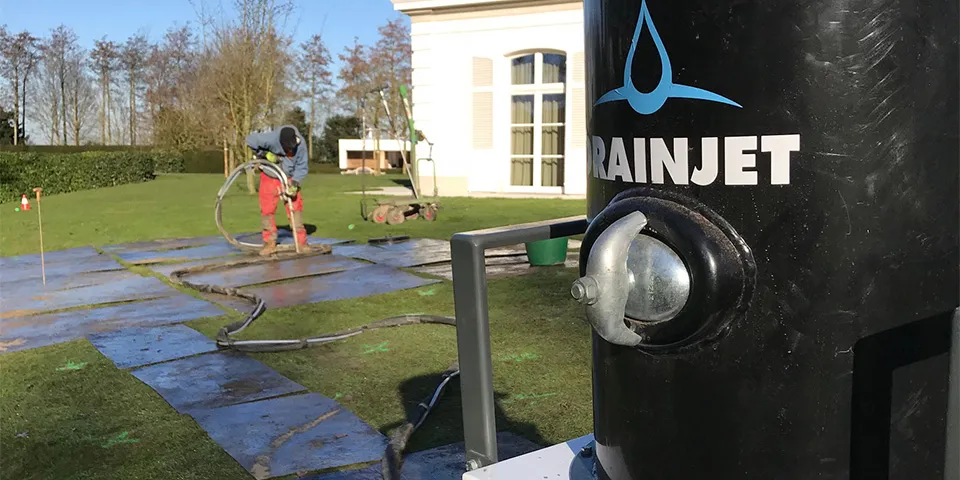
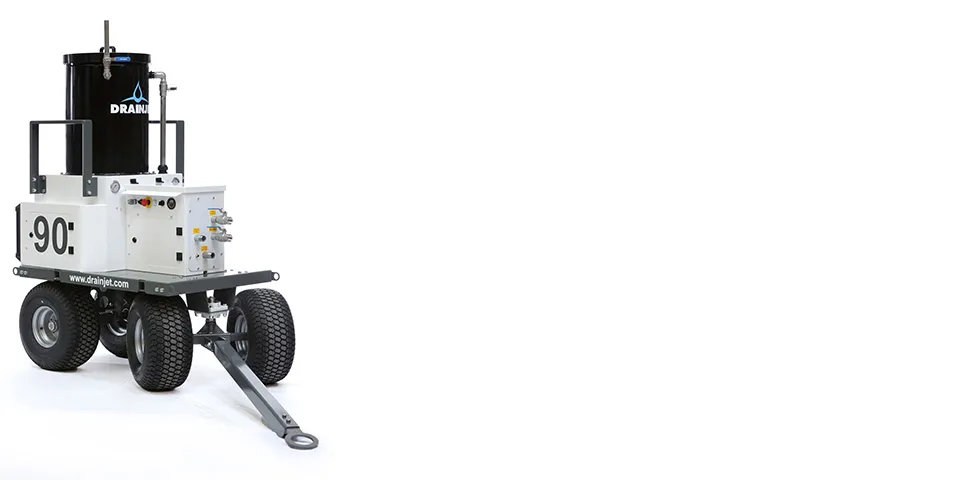
The Drainjet 90 is an extremely compact machine designed specifically for the landscaping and contracting sectors. “Its small size allows it to pass through narrow openings without damaging existing landscaping or structures,” says inventor Robin Uzeel. “The machine has its own power supply, so no external cables are needed. Wide turf tyres on a lightweight machine also mean it can be driven over the lawn without damaging it.”
How it works
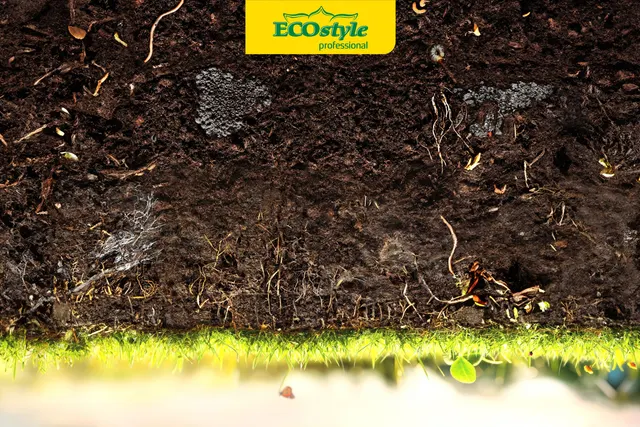
The Drainjet can drain the soil vertically without disturbing its structure or existing landscaping. “The water seeps back towards the water table rather than simply being discharged,” says commercial manager Jurgen Van de Walle. A hollow granulate probe is manually driven into the ground using compressed air. “Air channels form as the probe is driven in,” says Van de Walle. “These channels can be created to a depth of three metres and branch extensively, both vertically and horizontally, through the soil structure. They are then filled with water-permeable, porous granulate, pneumatically conveyed from the machine’s hopper. The hopper is connected to the granulate probe by a wear-resistant hose.”
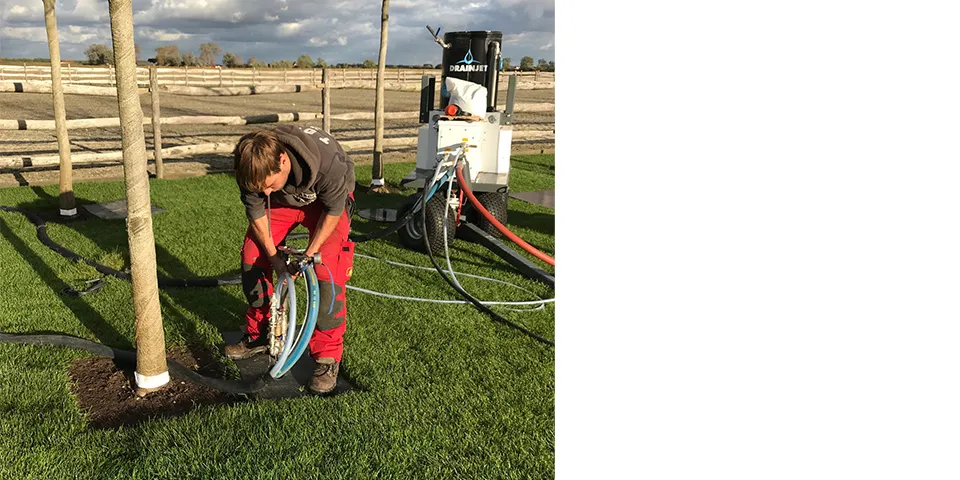
Drainjet tree root-zone improvement.
For very hard ground, an optional vibratory hammer is used to make a pilot hole up to one and a half metres deep. The vibratory hammer drives a hollow probe into the ground, and compressed air is forced through it to break up the layers and create air channels.
Autonomy
The machine is operated using a remote control carried by the operator.
Key points
• The machine can be used all year round in almost any weather.
• The underground injection has a permanent effect, preventing the channels from closing up and allowing them to retain their drainage function.
• The existing ground surface is not damaged during the work.
• Excess stagnant water is not discharged, but returned to the deeper water table.
We use cookies to keep the site working properly. With your consent, we also use cookies for statistics and third-party banners. Read more in our privacy and cookie statement.