Cities are brimming with green and blue potential
Text Elise NoyezImage Ecoworks, Olmo Peeters
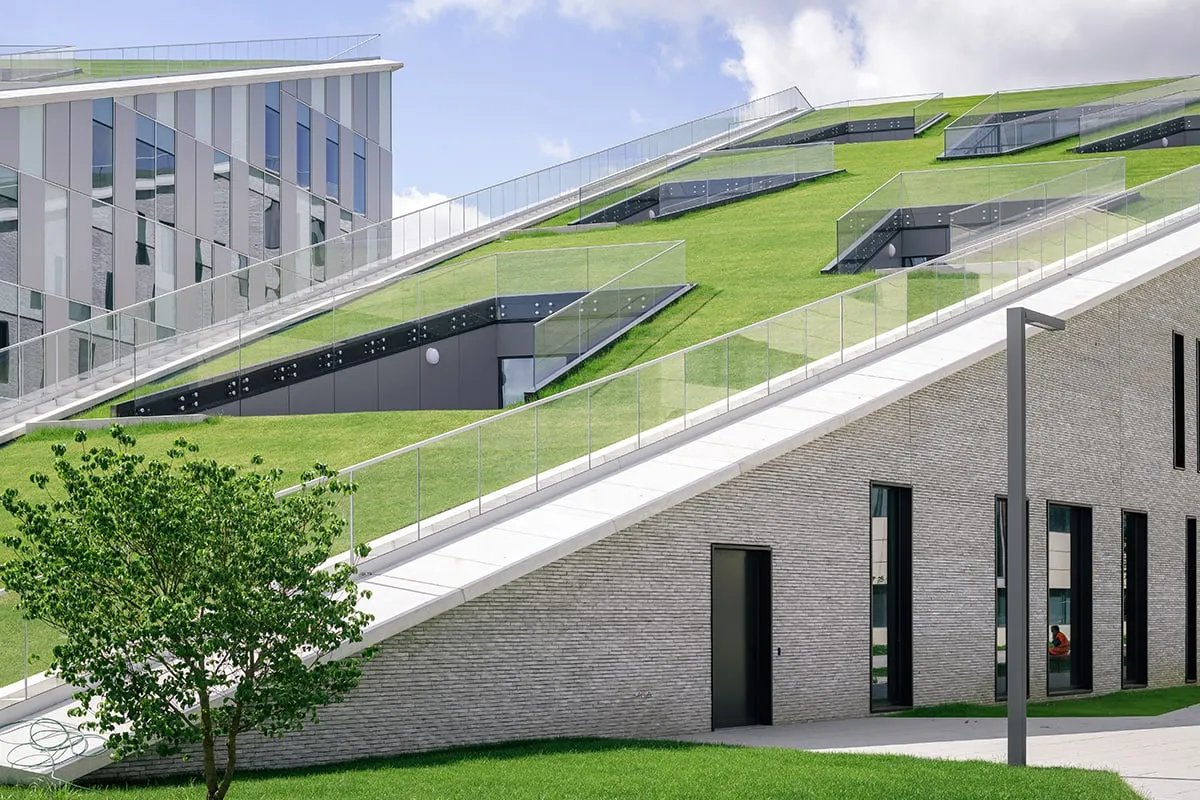
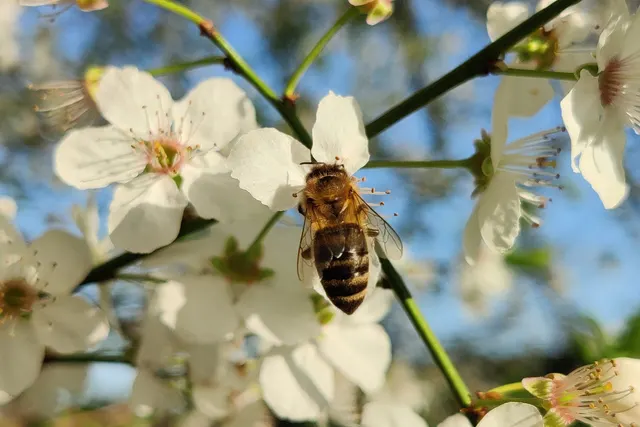
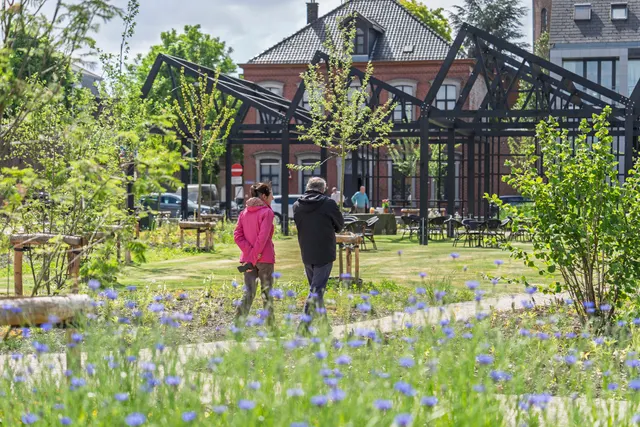
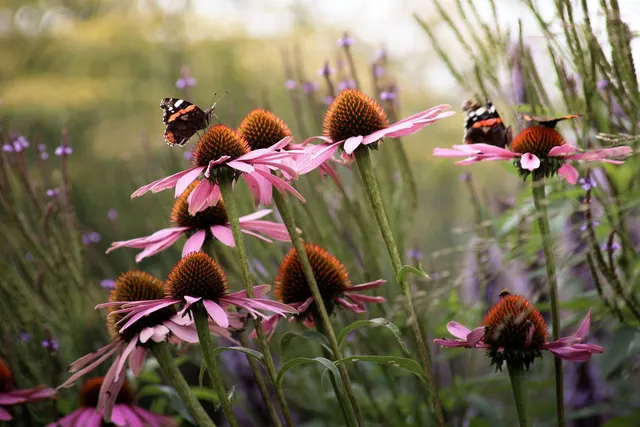
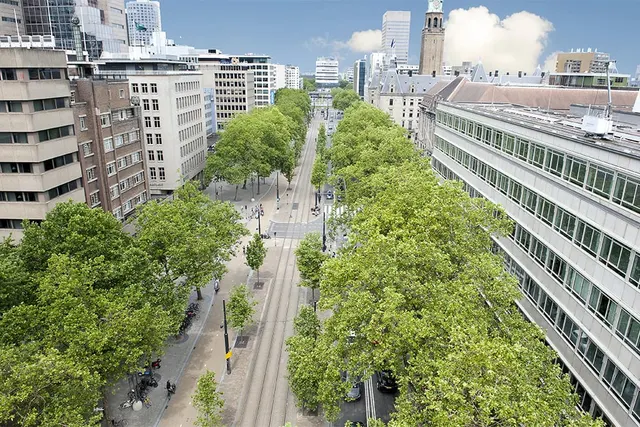
After several bone-dry seasons, the wet 2024 has once again reminded society of the importance of green and blue spaces in cities. Plants, trees and water features make urban areas more liveable, reduce the urban heat island effect and contribute to biodiversity and climate resilience. But where is there still room in densely built-up Flanders, and how can it be maintained sustainably? Ecoworks is working with architects, property developers, cities and municipalities on a creative, end-to-end approach.
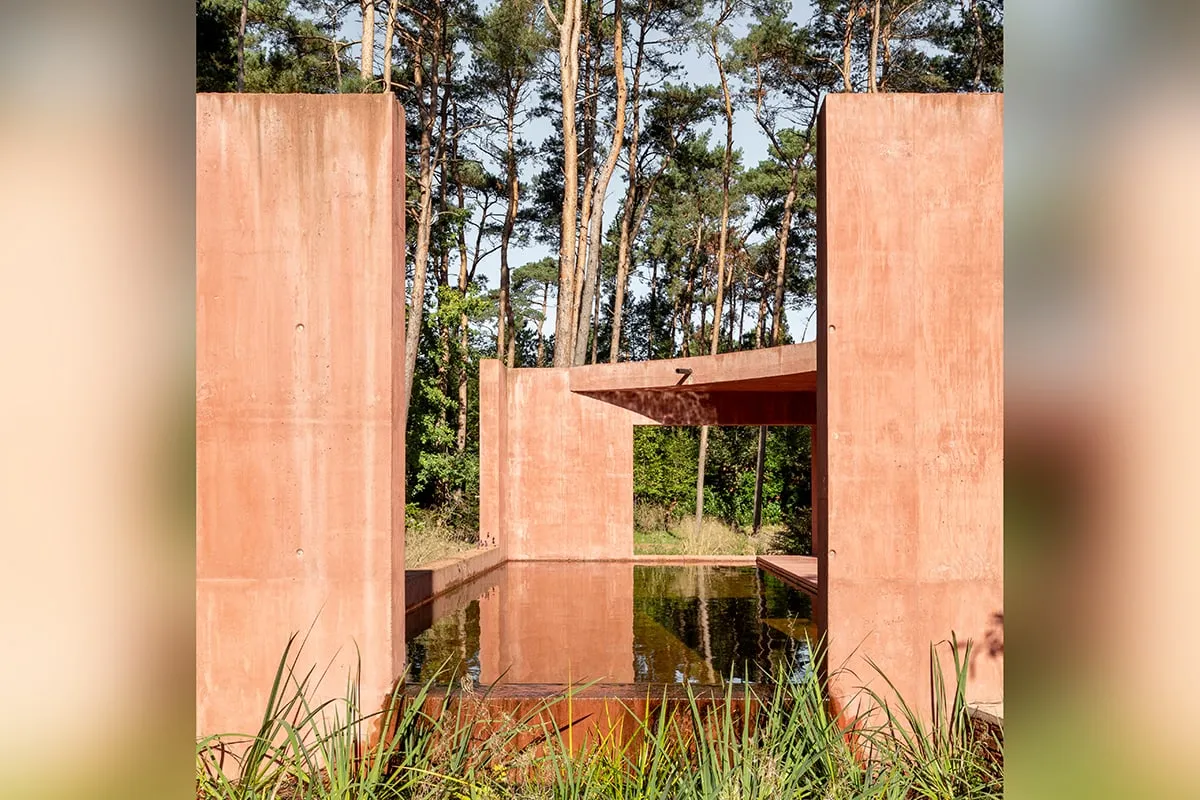
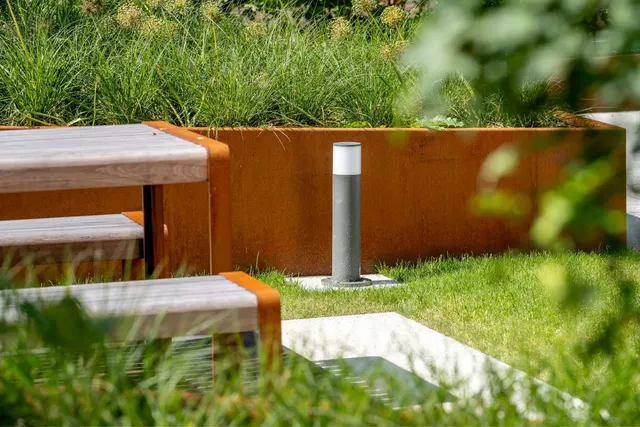
Ecoworks is a specialist partner in the design, construction and management of green and blue spaces. Its mission is clear: to bring nature back into our living environment. “But if you only look at open spaces, you miss out on many opportunities,” says managing director John Kinnen. “Space in Flanders is extremely limited. We need to create biodiversity in places where it has previously been pushed out. Reducing hard surfaces is a major priority in this respect, but there is also plenty of potential in, on and against our buildings. That is why we specialise in a wide-ranging approach to technical greening, including green roofs, green façades, natural swimming ponds and nature-inclusive landscaping. Even challenging office planting, such as a winter garden, is within our expertise.”
Green at every level
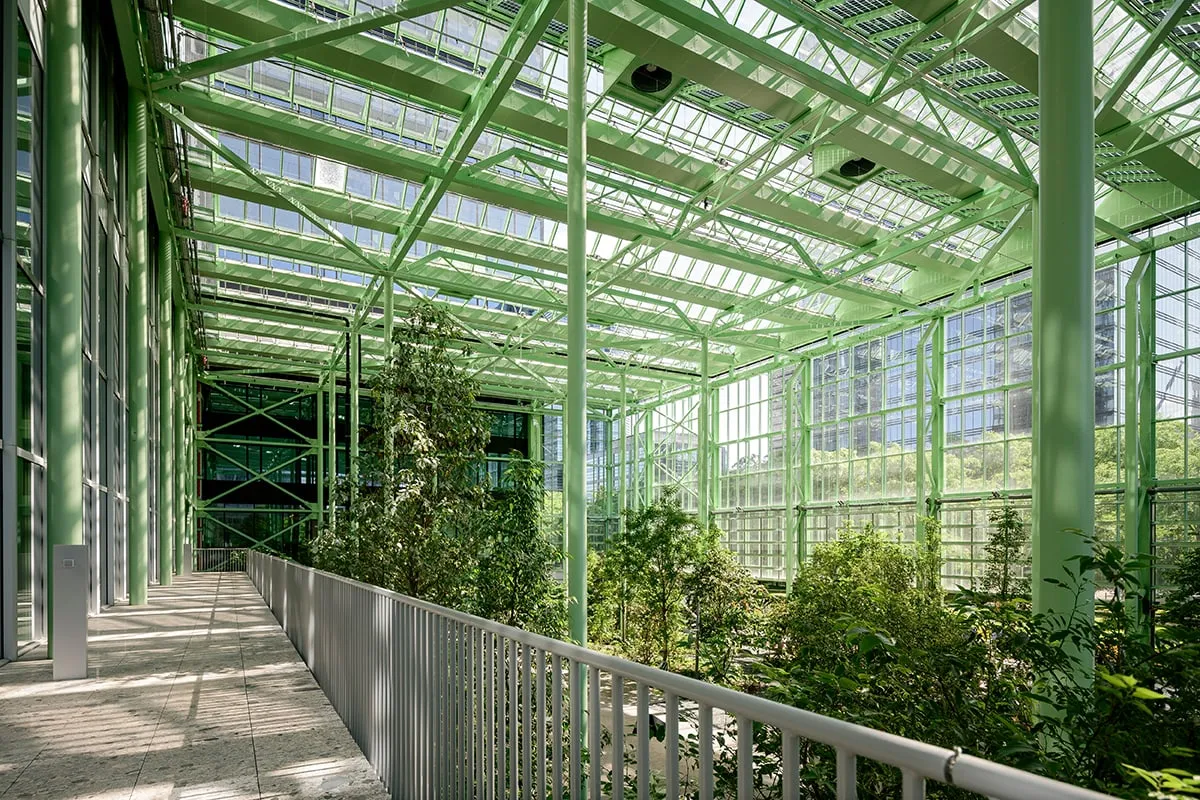
Ecoworks is responsible, among other things, for the green façade on the Renson building along the E17 in Deinze and the planting in the Marie-Elisabeth Belpaire building of the Flemish Government. “The conversion and extension of the former WTC towers in Brussels North into offices, flats and a hotel is a showcase for our ambitions. In addition to the extensive office planting we have already installed, the ground floor is being turned into a large public greenhouse, the 29th floor will have a fully fledged roof garden, also open to the public, and we are effectively planting a vertical forest of 300 trees against the tower.”
A green-blue balance
To maintain all that greenery in, on and against buildings, John stresses the importance of getting the design right. “There is little point investing in planting if you do not give enough thought to how it can be sustained over the long term. Water and light are essential. That is why we take an integrated approach to our projects wherever possible. When we design a green roof or green façade, we also provide smart water storage and a tailored irrigation plan. Take Renson: the green façade there is irrigated with locally stored rainwater. We also focus on ecological management, monitoring the planting plan over time and taking a broader view of the actual impact on fauna and flora.”
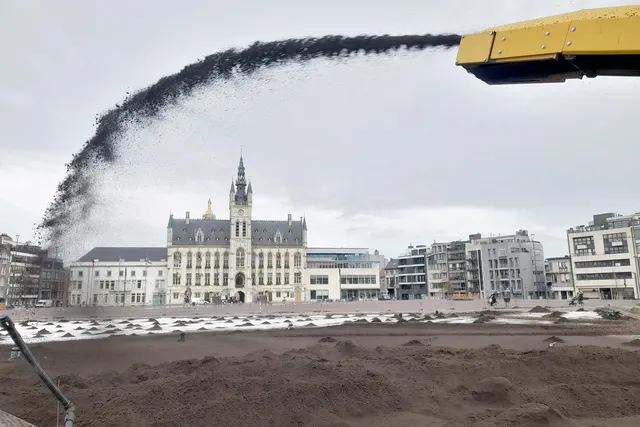
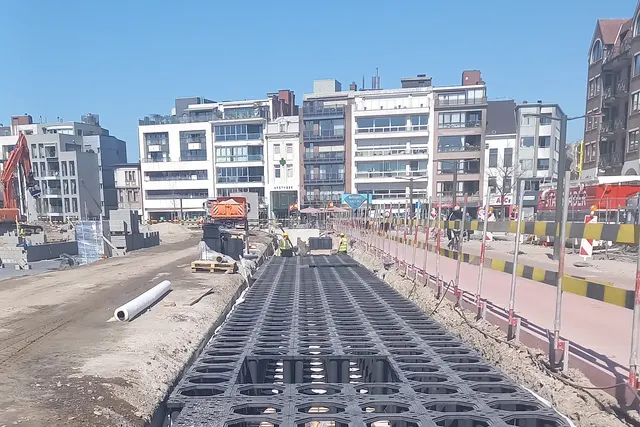
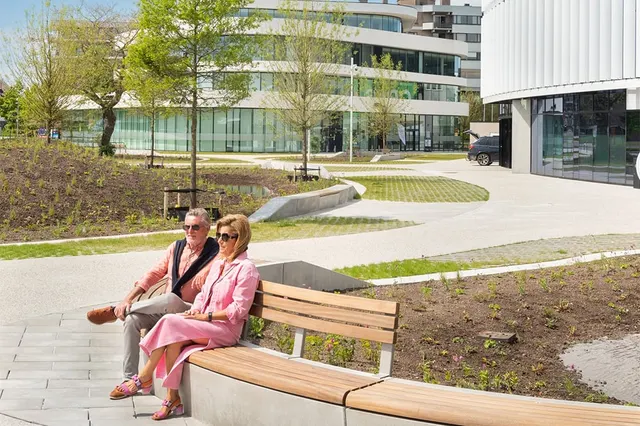
The more greenery we introduce into cities, the more important good water management becomes. “In this respect, we have made a mistake in how we have approached our cities in the past. Everything is designed to discharge water, often through combined sewers, as quickly as possible. Yet we should be retaining and slowing it down as much as possible. The good thing is that green spaces can play an important role in this. With the right design for urban green spaces, you can contribute to both biodiversity and climate resilience.”
More blue in our streets
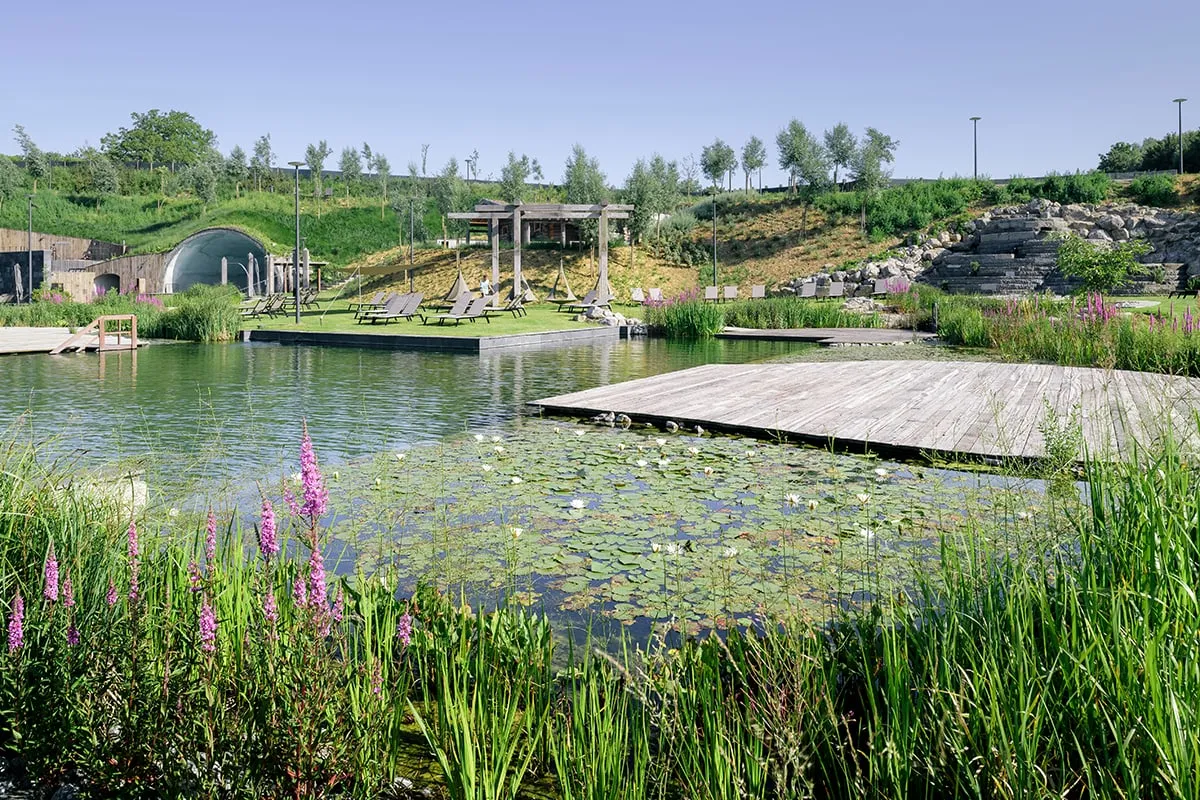
Green and blue are inextricably linked, John concludes, although more will undoubtedly be needed to balance water management in our cities and municipalities. “That does not have to be a burden. Swimming ponds, for example, are a natural way to integrate water into our society. They not only provide extra storage capacity, but also support biodiversity, cooling, recreation and visitor appeal.”
John believes a project such as the conversion of the fishing ponds in Aarschot into a public urban swimming pond sets an example. “We hope to be able to invite you for a spring swim in a few months’ time. In the longer term, we dream of a public natural swimming pond in every village centre.”
Question about this story? Ask your question
Keep following this
Get an email when a new story is published. No account needed.
- ThemeGreen space for everyone
- SubjectPublic green spaces