Why public green space is essential for local authorities
Text Trees AccouImage OMGEVING, Bloesem
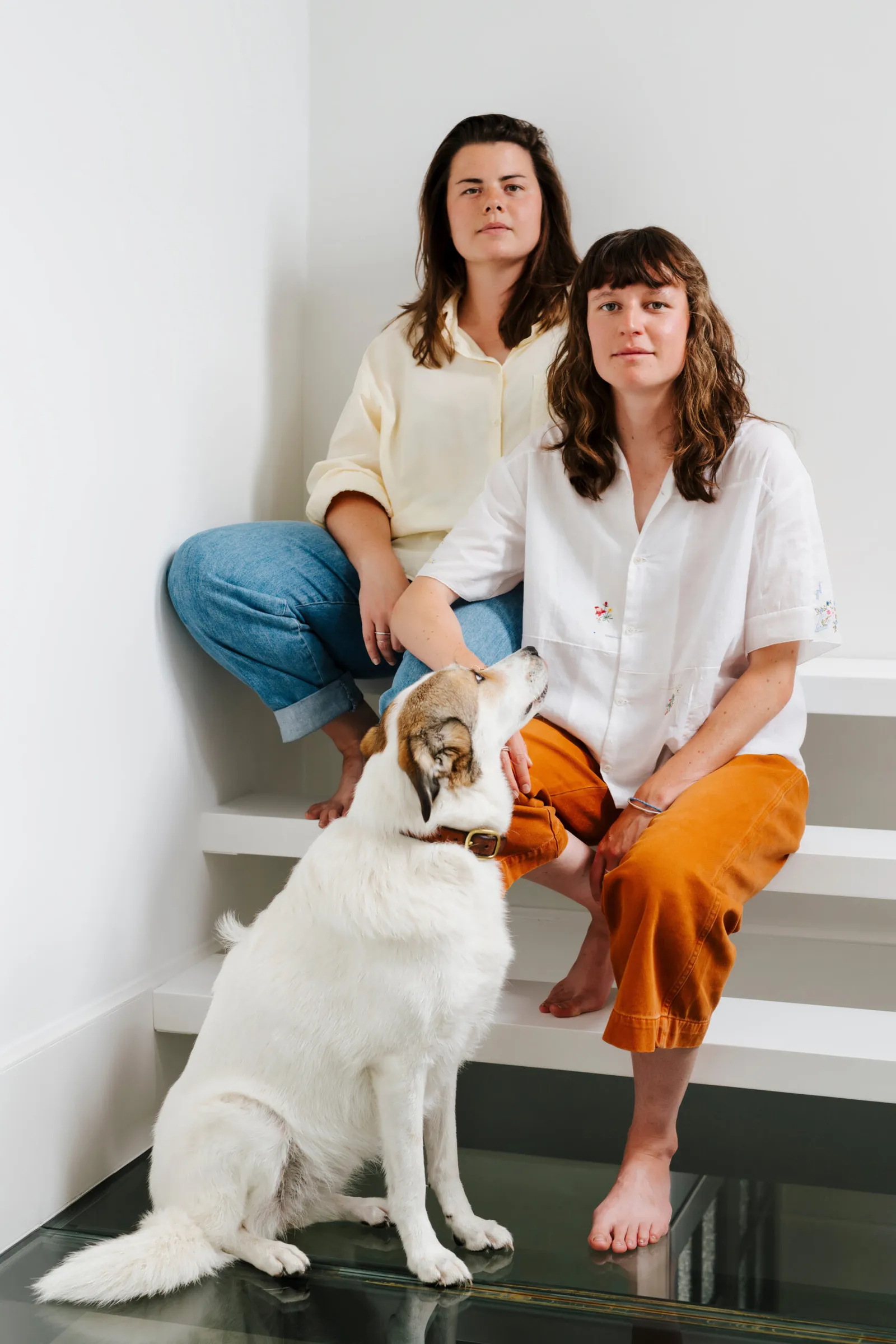
Where parks and green verges were once closely mown, a wilder, more diverse approach is gaining ground. But what does that mean for management and plant selection? GreenPro spoke to Hans Druart, landscape architect, lecturer in landscape architecture at KASK-HOGENT and creative director at design practice OMGEVING, and Eveline Vekemans, garden and landscape architect representing De Bloeimeesters, a cooperative of planting specialists who pool their expertise and knowledge.
The design of public space, such as a park, is fundamentally different from that of a garden, explains Hans Druart of OMGEVING: “In a garden, you choose plants for people with a passion for gardening and (usually) green fingers. Public spaces often need to be designed for low-maintenance management, requiring as few resources as possible. Ambitions are sky-high, but budgets for maintenance do not always match them today. Local authorities often have to make savings and want planting to remain attractive in the long term with limited maintenance. That is why we consider what we want the site to look like in five, ten or even fifty years, and adapt the planting plan, or rather, the planting strategy, accordingly.”
Eveline Vekemans, who works on public spaces and vibrant, future-oriented gardens through Bloesem and De Bloeimeesters, adds: “I’m pleased to be sitting round the table with Hans. His practice has the standing to bring about real change in how we approach planting in public spaces. Their experience and status make it easier for them to convince clients of the importance of good planting. It matters not only aesthetically, but also contributes to a healthier ecosystem, with greater biodiversity and less heat stress. The importance of proper soil surveys is another example. They can make a convincing case for this and really make a difference.”
A green oasis in Roeselare
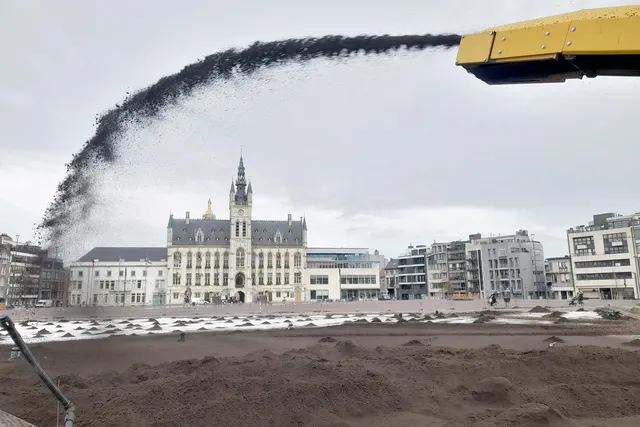
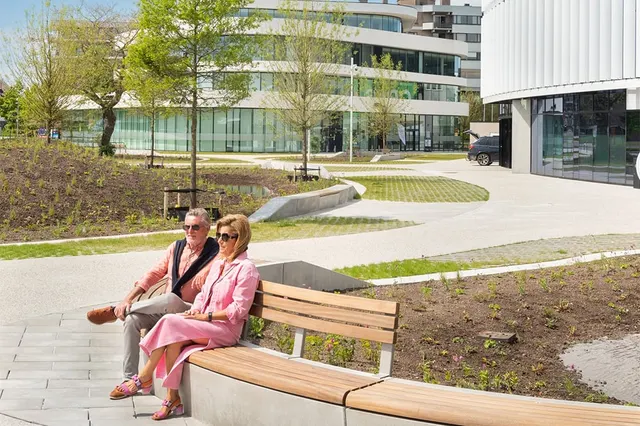
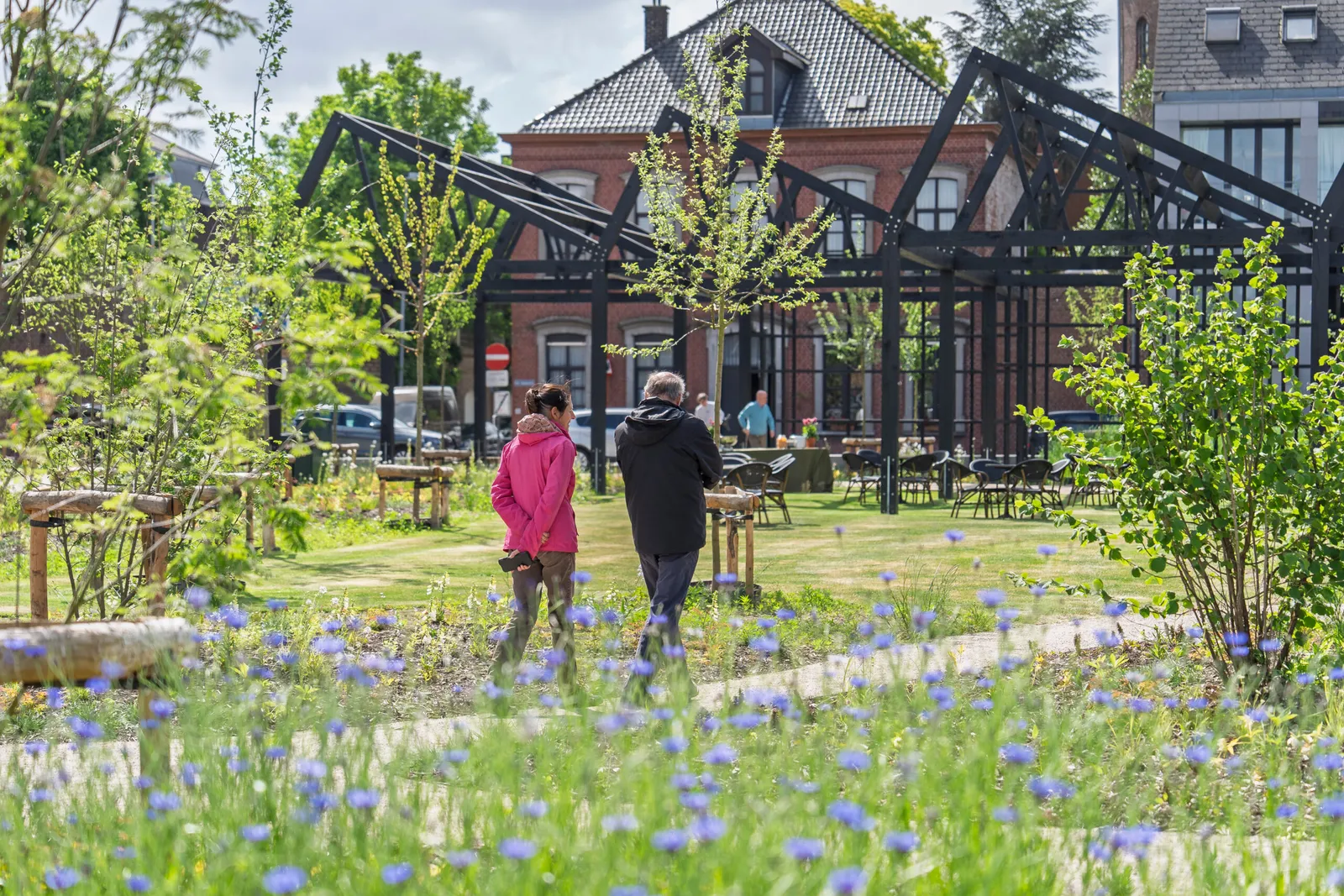
Roeselare was long known as one of the greyest city centres in Flanders. But the development of Moermanpark is changing that image. A former car park has become a green meeting place. “We planted around 130 trees in the park. In about ten years, this will be a shady place,” says Druart. “The other planting needs to evolve too. We have been open about this with the city: what you see now is not the final picture. The soil, some of it brought in and some relocated from the site itself, also needs to recover, and the soil life needs to become active again. A building is handed over when it is finished. With a park, handover is the starting point.”
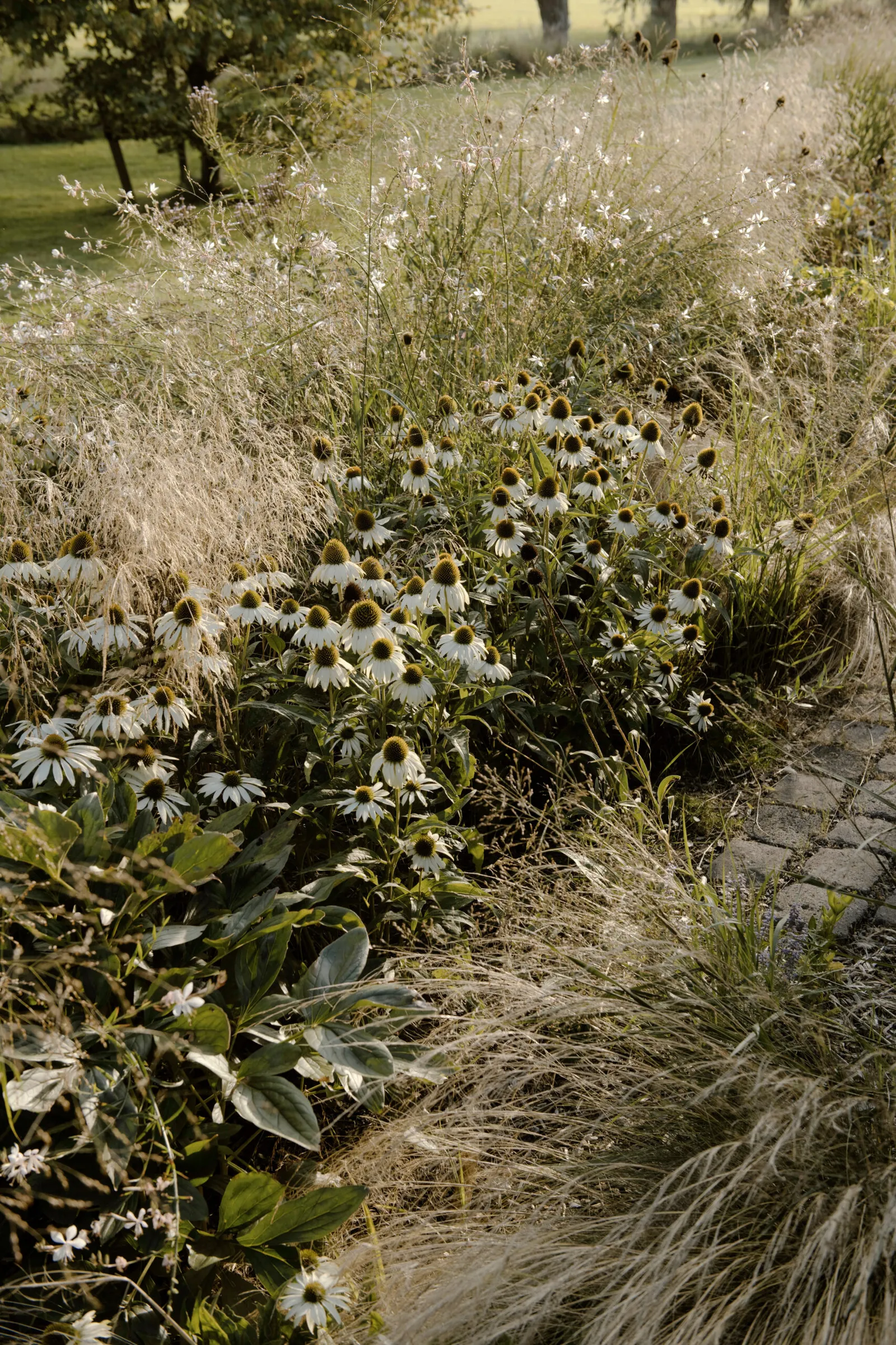
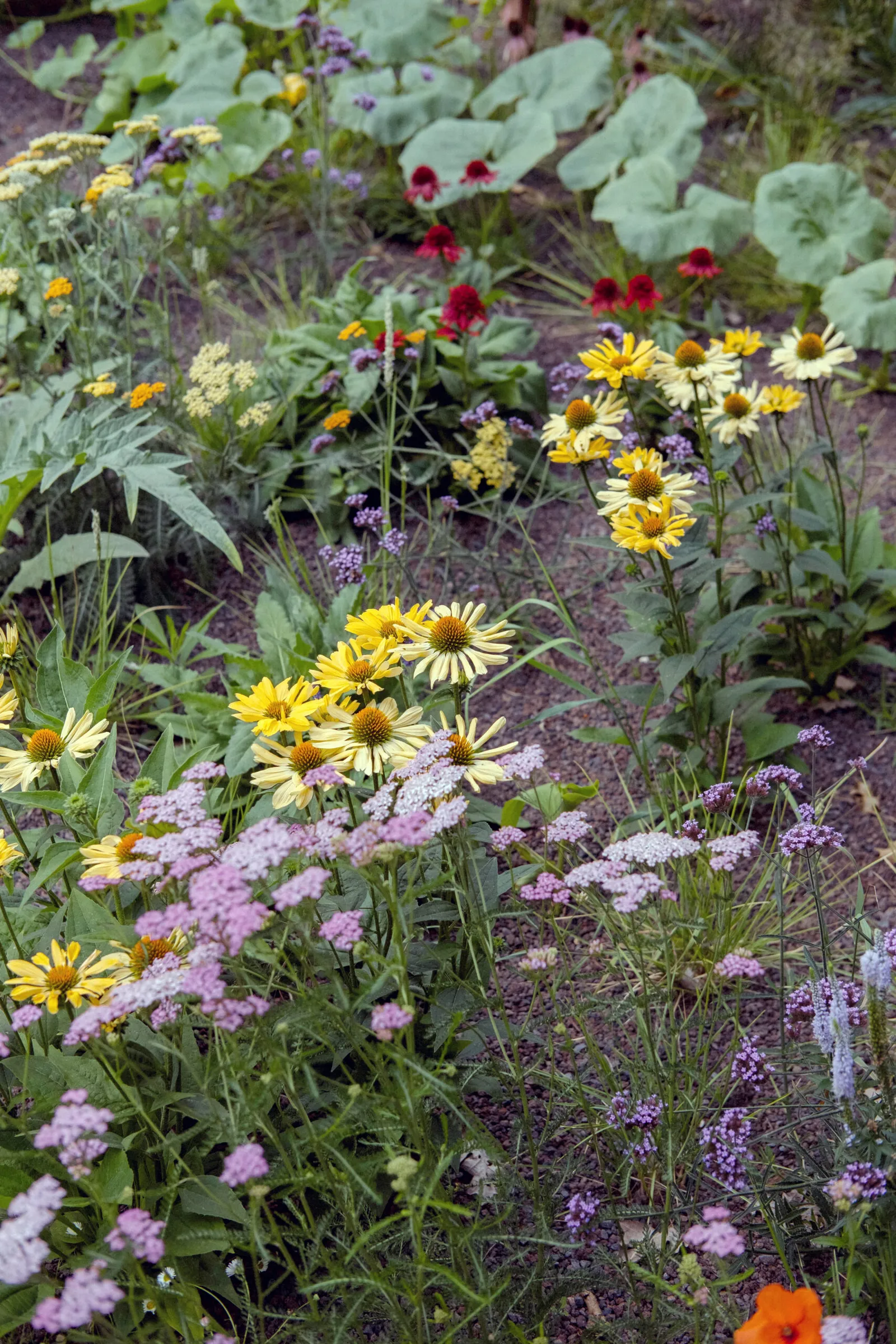
In Roeselare, OMGEVING is experimenting with borders up to two metres wide, filled with sun-loving plants, where shrubs and perennials find their place. Some species will disappear, while others will become more robust. “Aesthetics matter, but they are certainly not the only factor,” Druart stresses. “Most clients are on board with this idea of evolution, but of course it depends on who you are dealing with.”
Form follows function
Public green space serves a range of functions. In the countryside, biodiversity often takes priority, while in cities aesthetics carry more weight. History can also play a part. “For example, we are working on a project in a historic city centre where people experiencing burnout or depression grow plants for seed production. The project has a strong social dimension.” In Moermanpark, some of the contaminated soil, a legacy of the city’s former textile dye works, was dealt with by bringing in soil. OMGEVING also chose plants that help to clean the soil through phytoremediation.
“Investing in public green space means investing in health, biodiversity, young people and older people. It combats loneliness and makes a municipality more climate-resilient by capturing and retaining water,” Druart explains. “More research is needed into the return on investment of public green spaces, but local authorities need to understand that every euro invested in green space ultimately delivers many times that amount in value. Combining policy objectives, for example those of youth services, sport and health, builds broader support. Street trees lower temperatures in summer and promote public health. The functions of green space help determine its form.”
Dare to plant
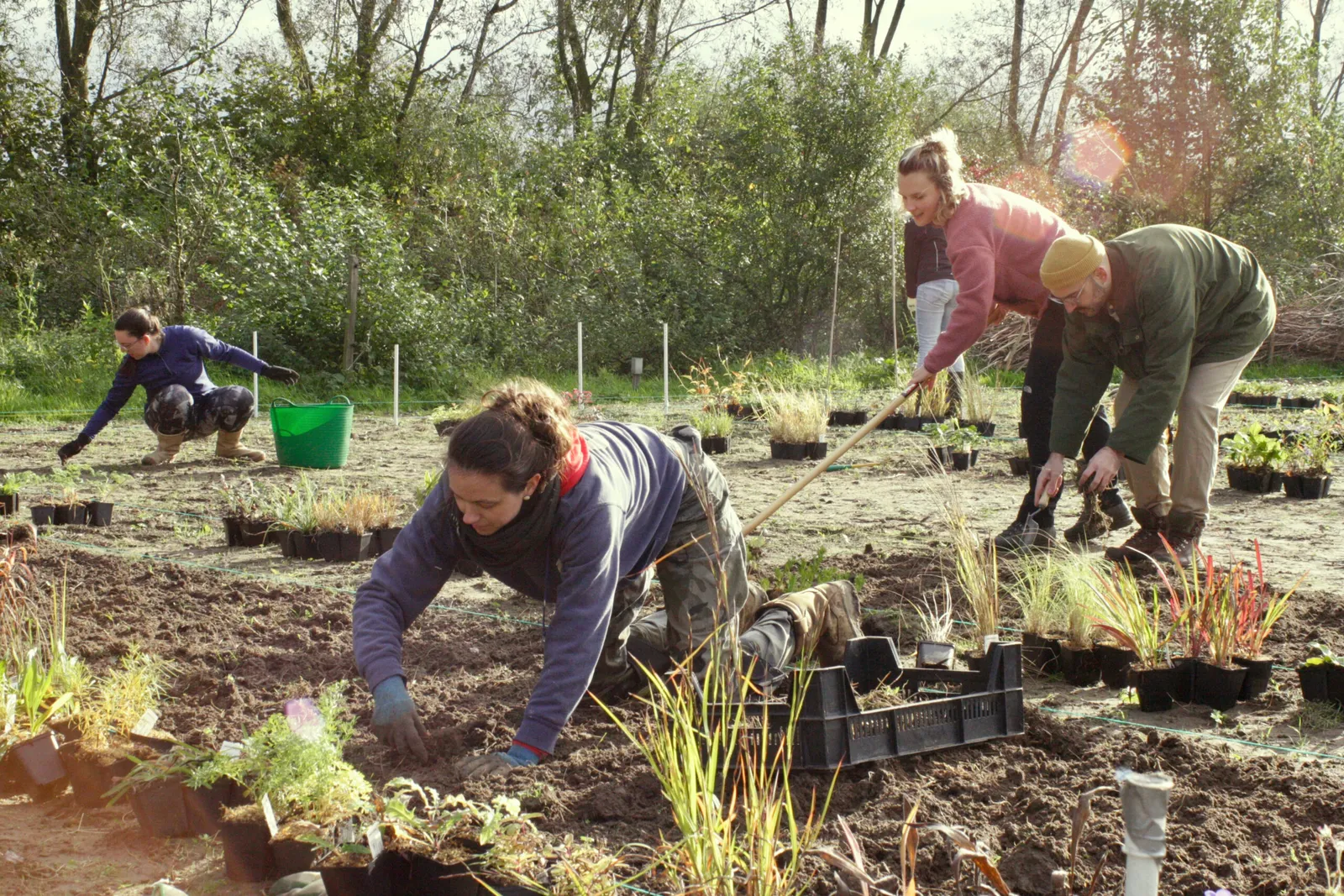
To draw up robust planting plans and better anticipate how they will evolve, OMGEVING set up an experimental garden in 2004. “We monitor the growth of around 150 species there,” says Druart. “We planted the trees ourselves and sowed the plants. That experience enables us to give our clients even better advice. This year, we planted the mother plant beds. From next year, we will test combinations, as well as different approaches to soil cultivation, mulching, weed control and mowing.”
When it comes to planting, there is no ignoring the changing climate. Over the past two years, we have felt the extremes of drought and rainfall. “You can no longer predict what will happen,” says Eveline Vekemans. “When conditions change, plants may thrive or die. So you have to be willing to experiment. Fortunately, ecology is increasingly becoming part of aesthetics.”
Native or exotic?
Knowledge of plants needs to broaden. Alongside native species, exotic or neo-native species can also have a role to play. “Certain species, such as beech, are struggling badly today,” says Vekemans. “When half your planting fails, you have to look for alternatives.” Druart adds: “The debate about native versus non-native is often too black and white. We need to open up the conversation about neo-native species and use species that can withstand drought and heat. But who knows which plants will do well in twenty years? Time will tell.”
Question about this story? Ask your question
Keep following this
Get an email when a new story is published. No account needed.
- ThemeGreen space for everyone
- SubjectPublic green spaces