Why every garden professional is now a climate coach too
Text and images Didier Hermans
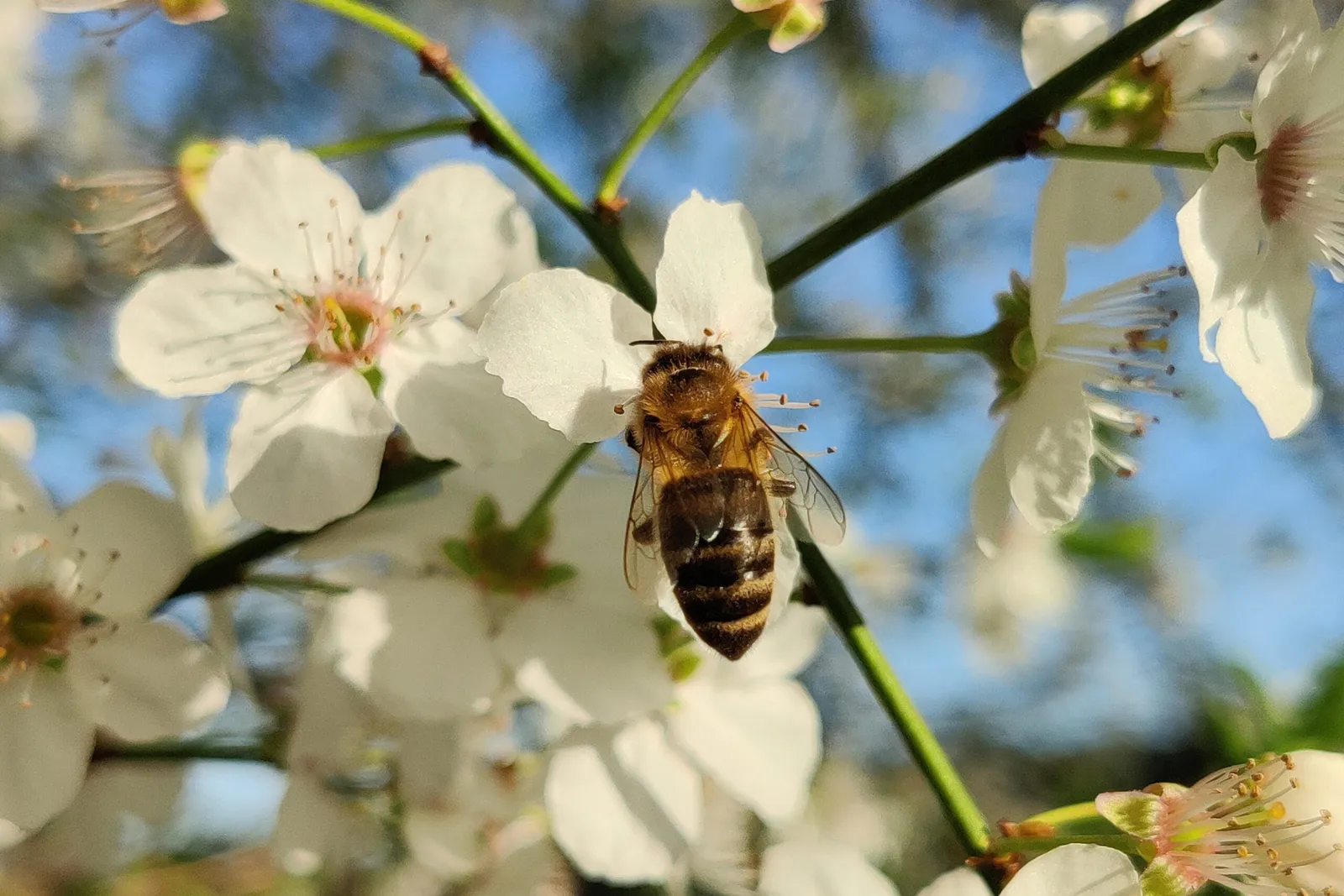
Biodiversity is a term we have been hearing more and more in recent years. It sounds scientific, but the concept is broad and means different things to different people. Essentially, biodiversity refers to the variety of life forms within an ecosystem, a geographical area or even the entire planet.
Yet this diversity is relative. Some plants are deliberately excluded, for example invasive alien species that outcompete native species. At the same time, other non-native species also end up on ‘blacklists’, even though they could make a valuable contribution to our biodiversity.
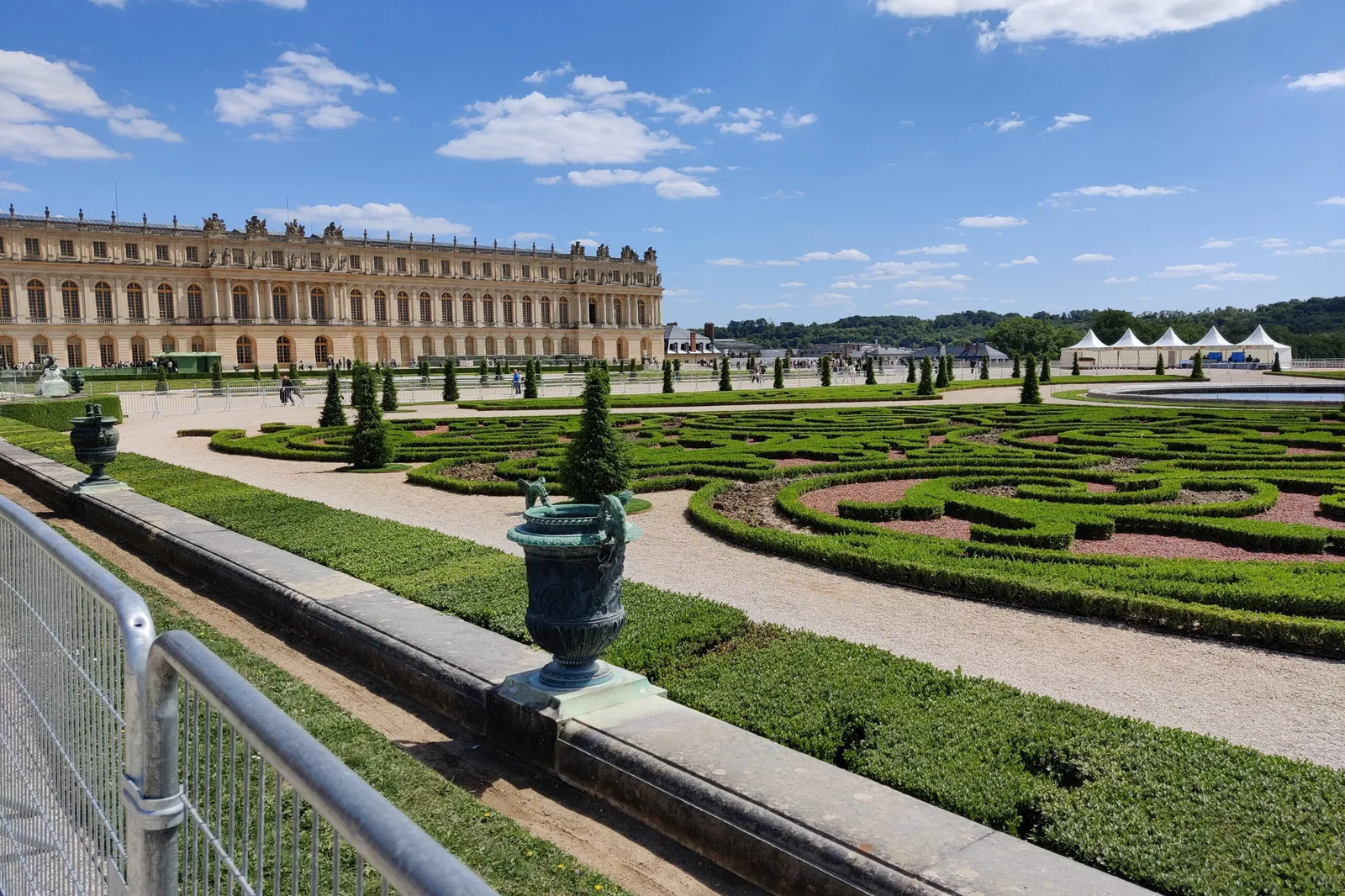
The garden as a climate engine
Our natural world is constantly changing. Global trade, climate change and shifting microclimates mean these changes are happening much faster today than in the past. Species that once had little chance of thriving in our climate can now establish themselves with ease, particularly in cities, where temperatures are noticeably higher than in the countryside.
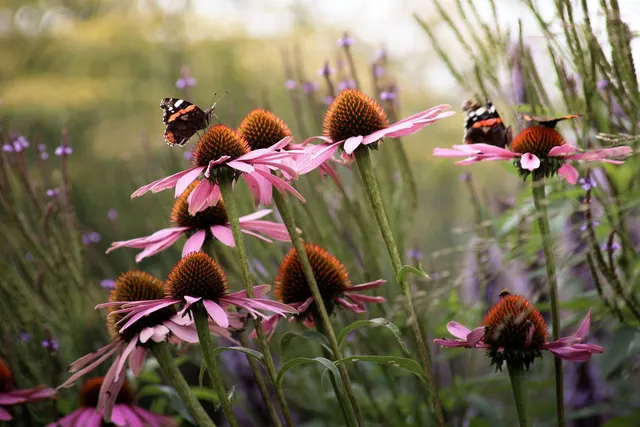
Our gardens also play an important role in this. In Flanders, they cover almost 10% of the land area, giving them enormous potential for biodiversity. By making informed planting choices, we can extend the flowering season and increase the supply of nectar and pollen. This benefits not only bees, butterflies and other pollinators, but also helps create a resilient living environment.
Garden designers and landscapers can make a real difference here. Their knowledge of the plant range and practical experience enables them to recommend species that are not only attractive and functional, but also ecologically valuable. Trade fairs such as GrootGroenPlus and visits to nurseries help professionals keep up to date with new trends and plant species.
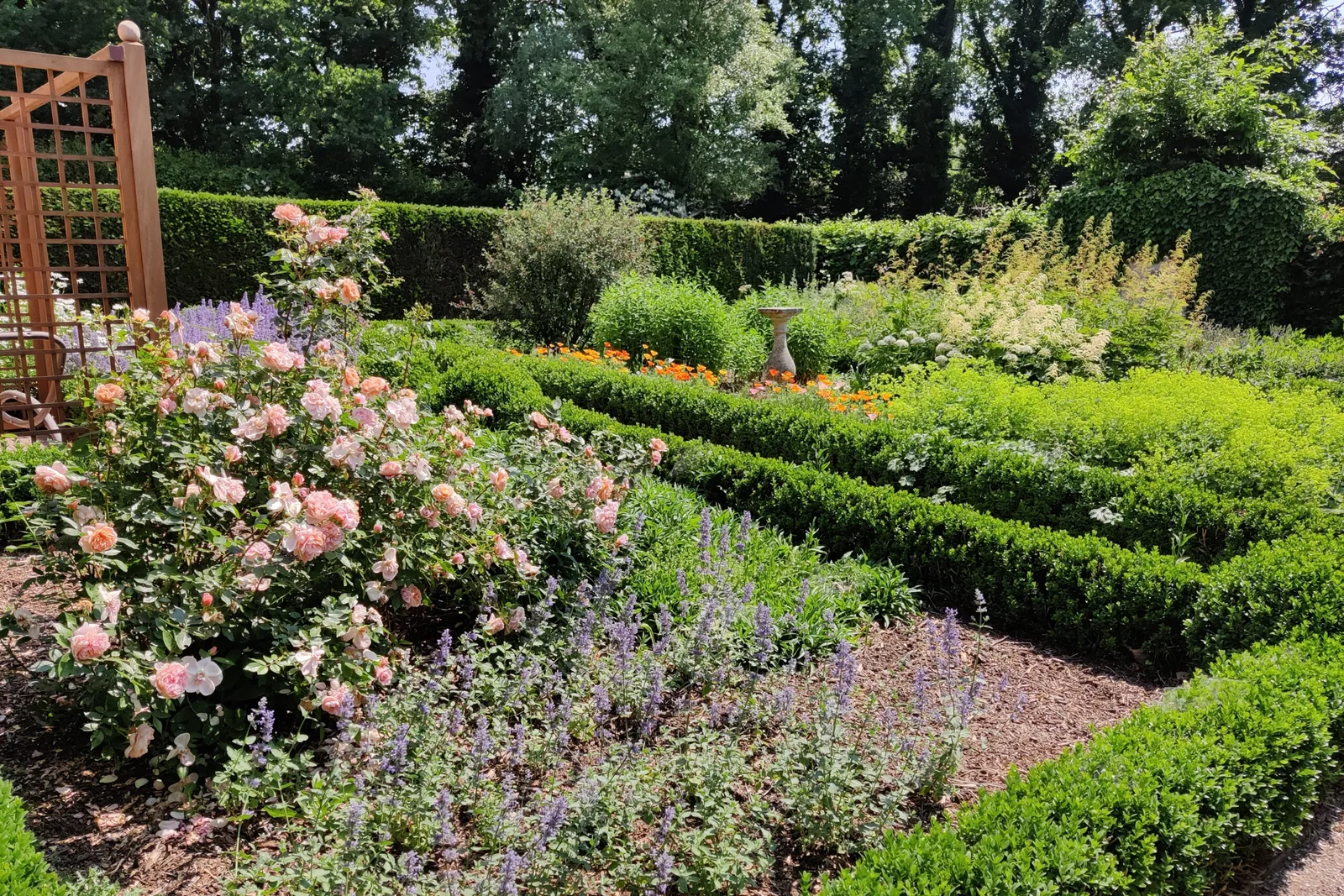
Boxwood reborn
One notable development is the rise of disease-resistant plants. A good example is the Betterbuxus® varieties: resistant forms of classic boxwood, which are reclaiming their place in gardens and historic parks after years of disease and pest problems, including at Versailles, Villandry and Paleis Het Loo.
Boxwood was shunned for years because of its susceptibility, but its value is gradually being rediscovered. This brings us to another widely used term: sustainability. According to the 1987 definition by the Brundtland Commission, sustainable development means “development that meets the needs of the present generation without compromising the ability of future generations, both here and in other parts of the world, to meet their own needs”.
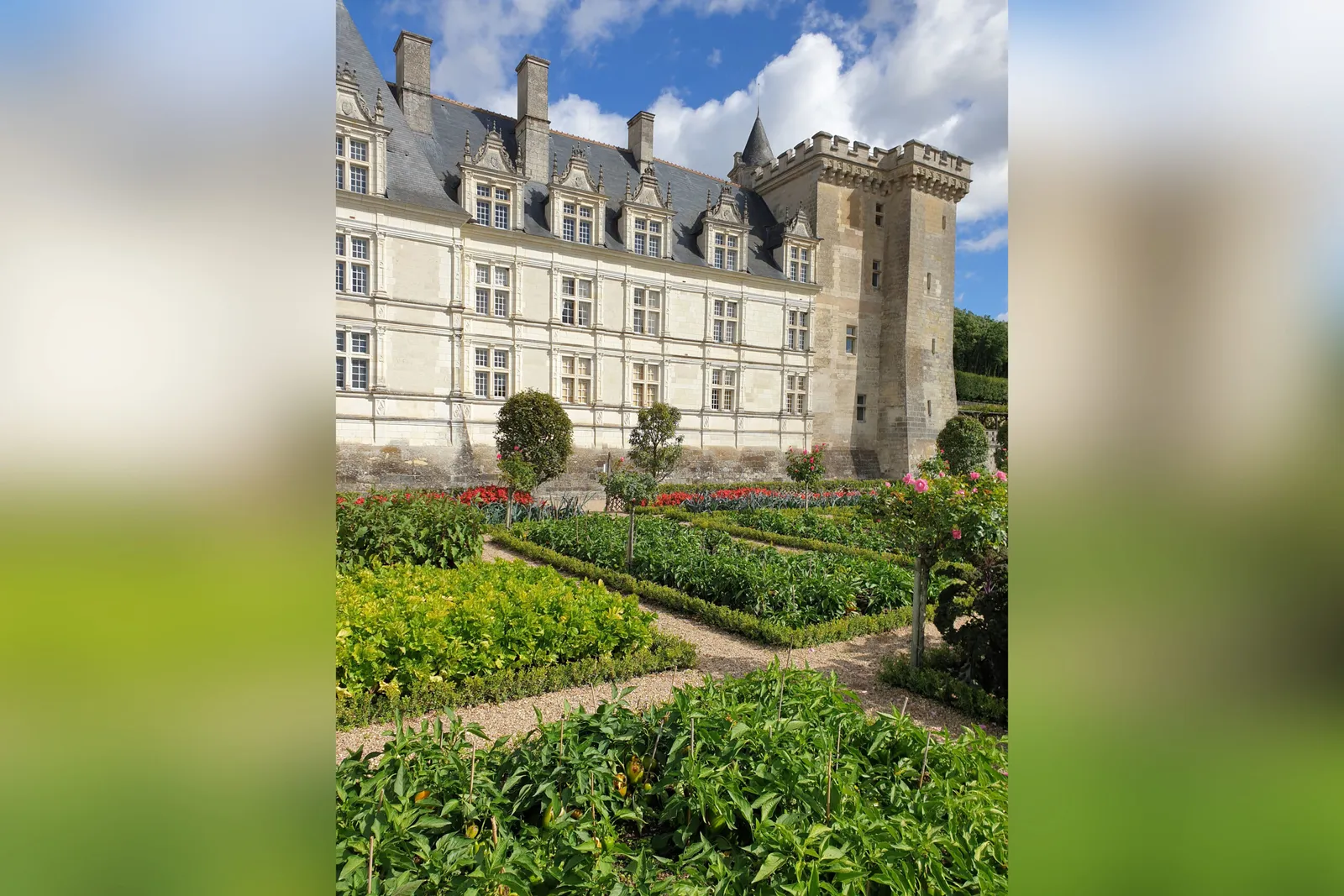
Every plant counts, if you understand it
In horticulture, this means choosing plants that are grown responsibly, last a long time, require little maintenance and have ecological value. Resistant varieties fit the bill perfectly.
Ultimately, any plant can be valuable, as long as it is in the right place, in the right design and properly cared for. Unfortunately, gardening is often seen as difficult or time-consuming. Yet it can also be a relaxing hobby that brings great satisfaction.
With knowledge, care and a well-considered approach, our gardens can become places where biodiversity and sustainability come together, even in a changing world.
Question about this story? Ask your question
Keep following this
Get an email when a new story is published. No account needed.
- ThemeGreen space for everyone
- SubjectPublic green spaces