Restoring green public spaces that are sustainable and accessible to all
Text Luc OphalsImage O2D ENVIRONNEMENT
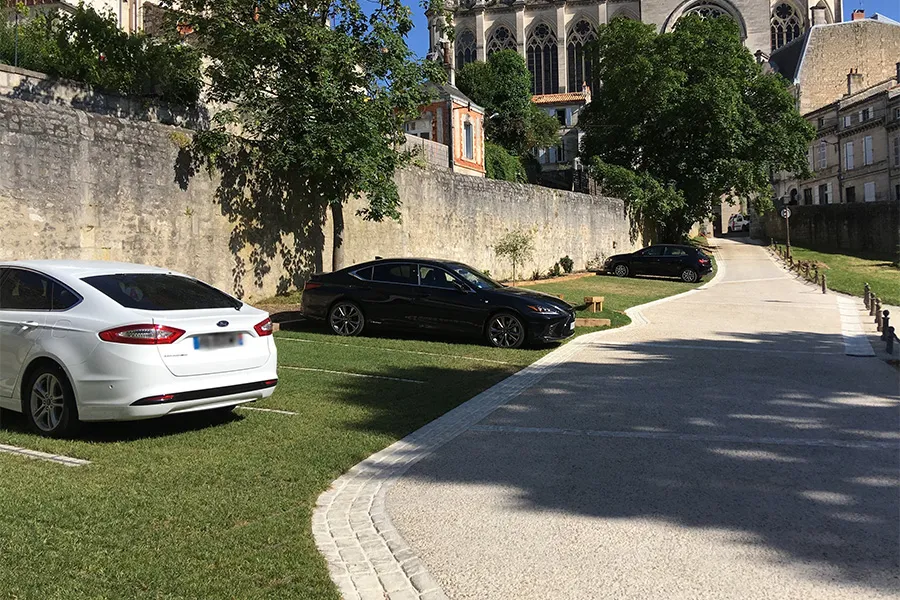
Encouraging soil de-sealing and greening in our cities
The weather is becoming increasingly extreme on our blue planet. Floods, storms and fires are raging everywhere. Belgium, too, is not spared global warming and its dramatic consequences. With one of the highest levels of urbanisation in Europe, Flanders experiences intense rainfall and prolonged periods of heat and drought from April to October, resulting in overflowing water systems, flooding and heat stress. It is no surprise that attention is now turning to sustainable and efficient solutions for ground vegetation.
Uncontrolled urbanisation is making public spaces increasingly impermeable. As a result, rainwater can no longer infiltrate the soil naturally, and existing drainage systems quickly become saturated. On the other hand, hard, impermeable paving heated by the sun retains heat for longer than a permeable, vegetated soil system. This is known as the urban heat island effect.
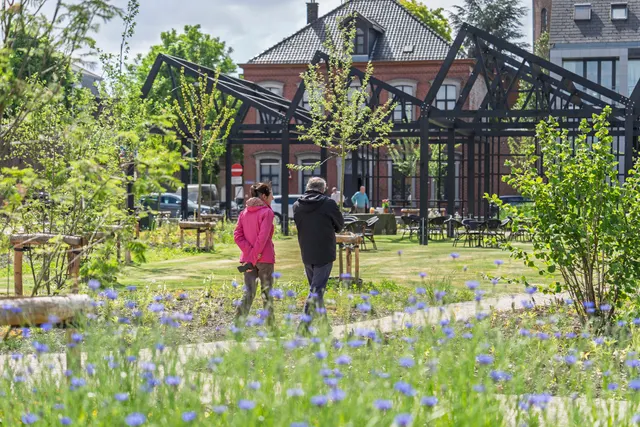
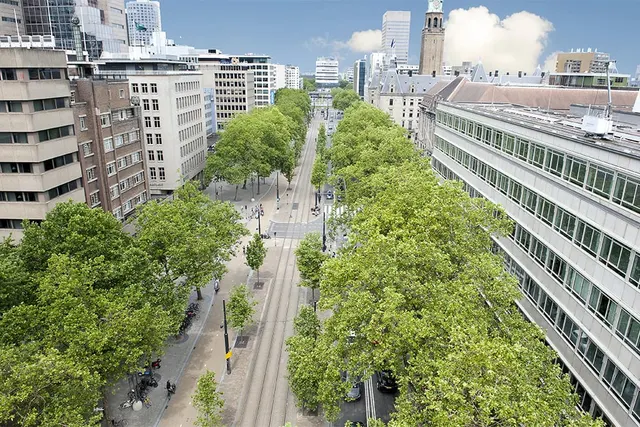
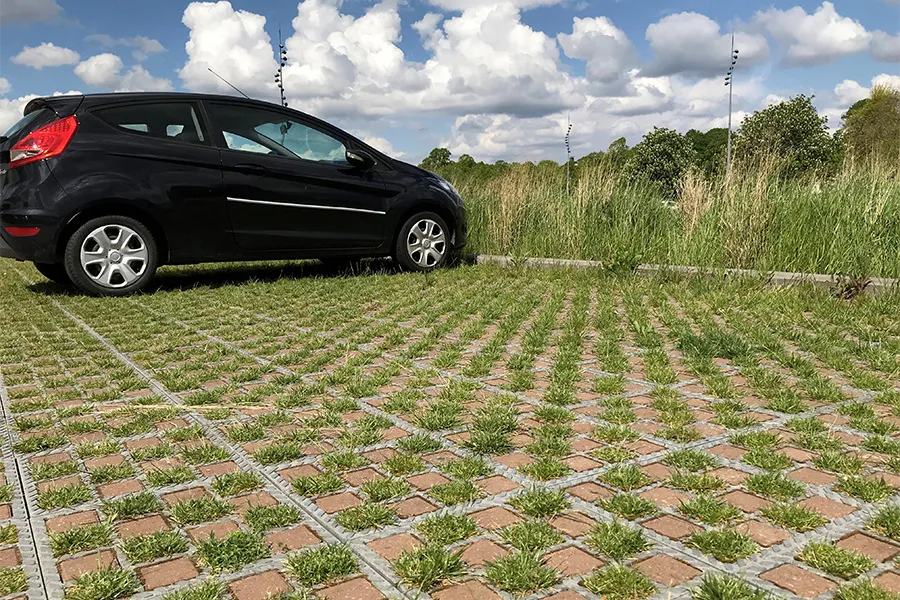
Whether for car parks, access roads, squares and paths or cemetery lanes, public initiatives to tackle concrete are gradually being launched, and there are more and more of them. Examples include the Het Vlaams Kampioenschap Tegelwippen campaign, which runs from 21 March to 31 October and aims to turn ‘grey Flanders’ into a ‘green paradise’; and the Canopée 2020-2030 plan in Brussels, which seeks to preserve the existing tree stock. The desire to breathe new life into urban spaces and encourage nature to return to our concrete cities is shared by both citizens and politicians. Everyone has a stake in this: every individual, every city resident, every user and every pedestrian.
Permeable solution for green public spaces
Since 2004, O2D ENVIRONNEMENT® has specialised in developing sustainable, permeable ground systems, which are incorporated into ecologically designed projects that promote the natural infiltration of rainwater and the greening of urban spaces. In response to urban planning challenges, its solutions combine technical performance, landscape integration and clear environmental benefits.
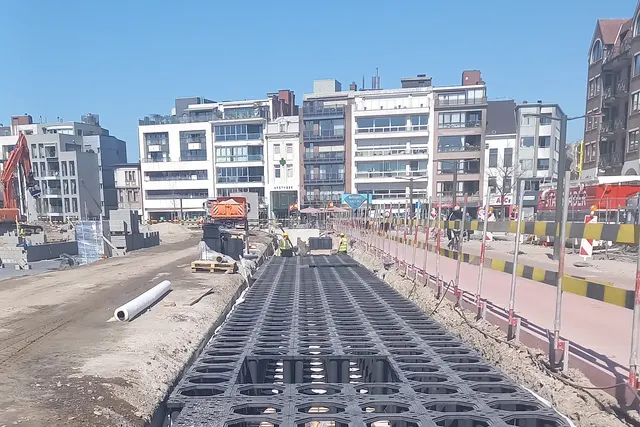
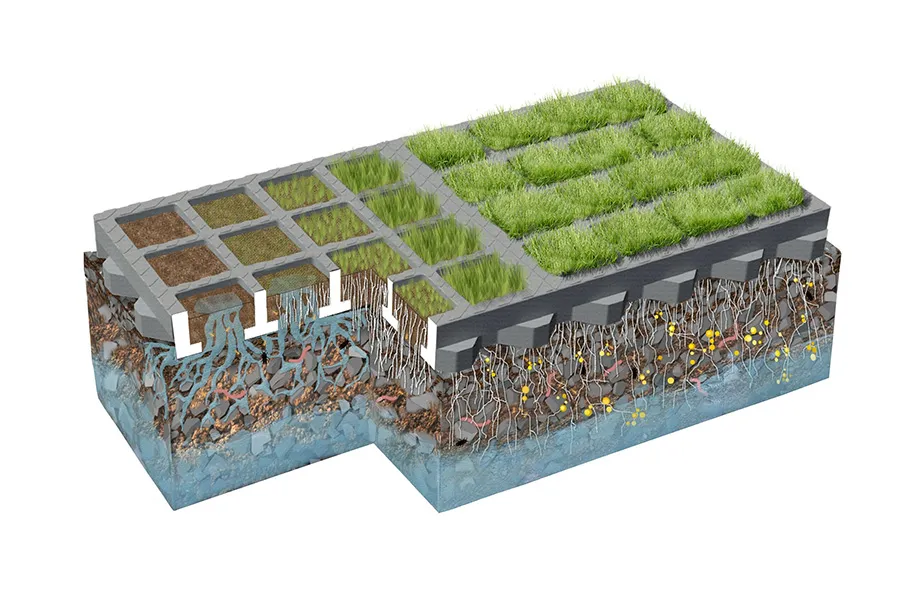
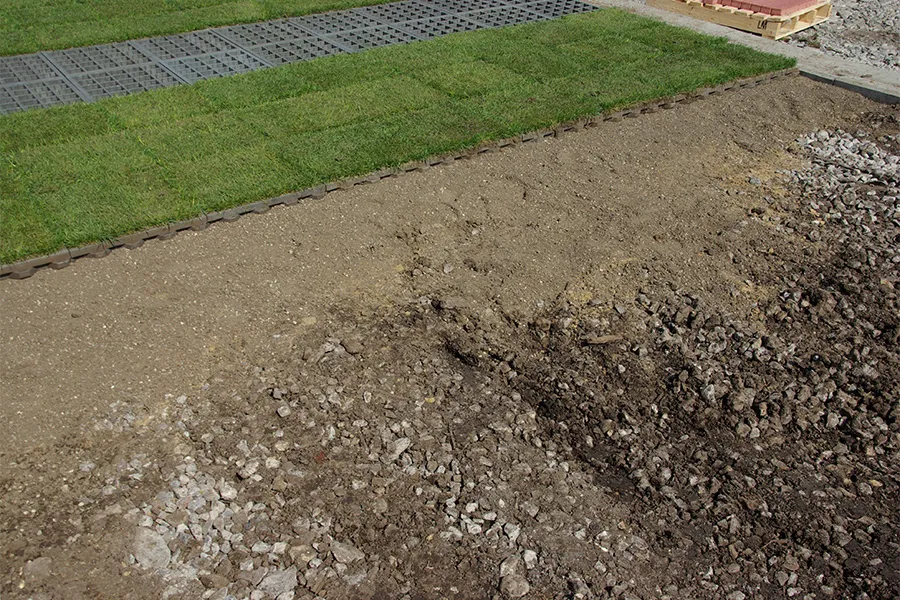
The O2D GREEN® grid provides an effective solution for the sustainable management of rainwater through infiltration. It allows each raindrop to infiltrate where it lands, with no run-off. The solution is based on three inseparable elements: the fertile, load-bearing foundation system (soil/stone and fertile bedding); the TTE® grid, made from a genuine eco-material based on recycled plastic; and the infill, a pre-seeded substrate, O2D® SR GREEN, MEDIGREEN or VIVACE, selected according to the climate and maintenance requirements.
The fertile foundation is crucial to the long-term health of the lawn, ensuring optimal rooting and allowing the root system to develop deep into the ground. This also naturally encourages the return of soil life and the growth of micro-organisms. Vegetation can be established on site or by using pre-grown grids to speed up the process. Another advantage of the O2D® system is its modularity: paving blocks can be placed in the grid cells to create driveways, borders or paths, while PRM components can also be installed to make the vegetated surface accessible to people with reduced mobility. Maintenance is minimal: two mowing sessions and one or two applications of fertiliser per year, collecting dead leaves in autumn, and watering during heatwaves if necessary.
Environmental benefits
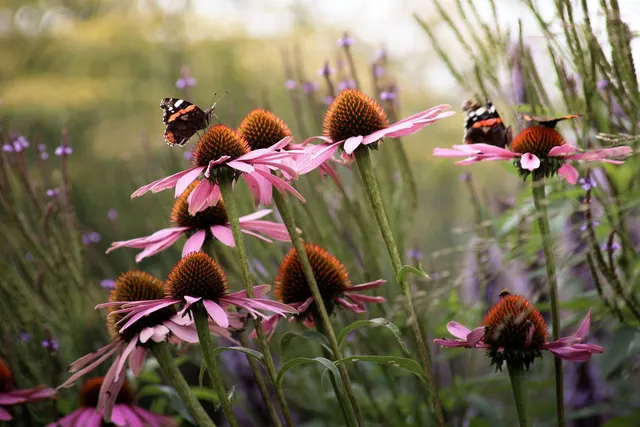
Research projects carried out by O2D ENVIRONNEMENT® between 2017 and 2021 have highlighted the positive environmental effects of the solutions developed, demonstrating excellent rainwater infiltration (no surface run-off), highly favourable thermal performance and improved soil biodiversity. In addition, the TTE® grid is made from 100% recycled plastic eco-material and is produced locally, in Belgium, near Liège.
Question about this story? Ask your question
Companies in this story
Keep following this
Get an email when a new story is published. No account needed.
- ThemeGreen space for everyone
- SubjectPublic green spaces
- CompanyO2D Environnement