The end of standard trees is in sight
Text and images Marc Verachtert
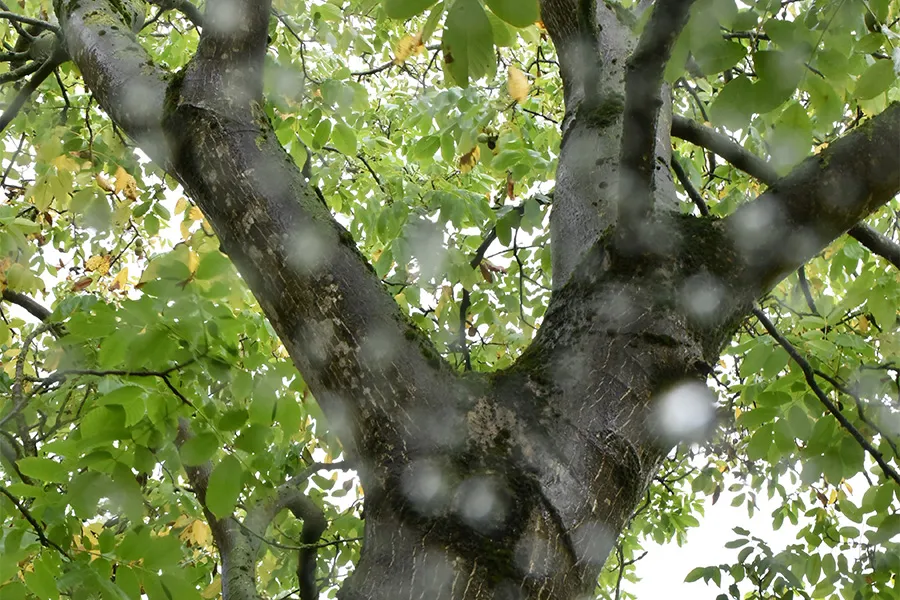
The tree landscape is clearly changing. Traditional trees are increasingly being joined by, or should we say competing with, multi-stem trees, while the range is also changing, and will continue to change even more and at an ever faster pace in the years ahead. The cause, or blame, lies with urbanisation and a changing climate.
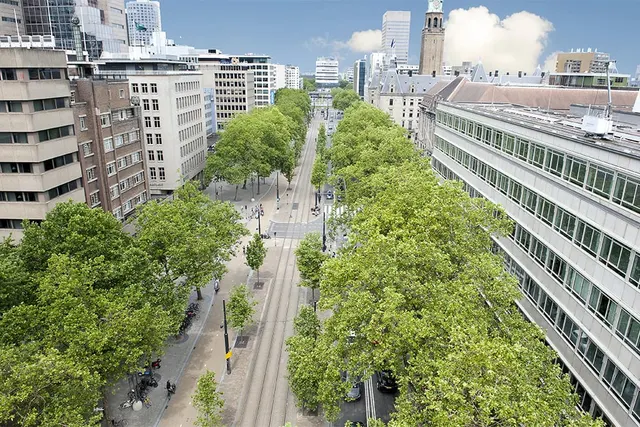
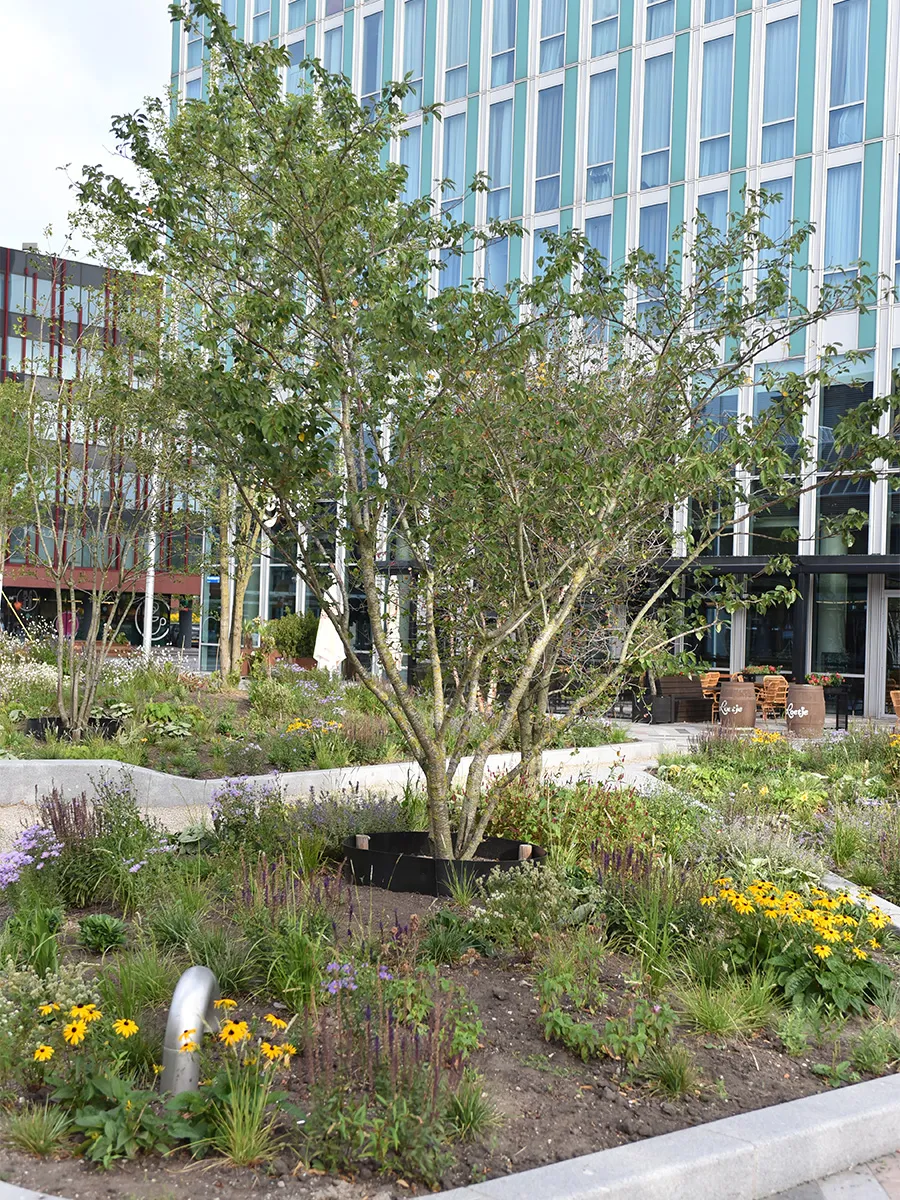
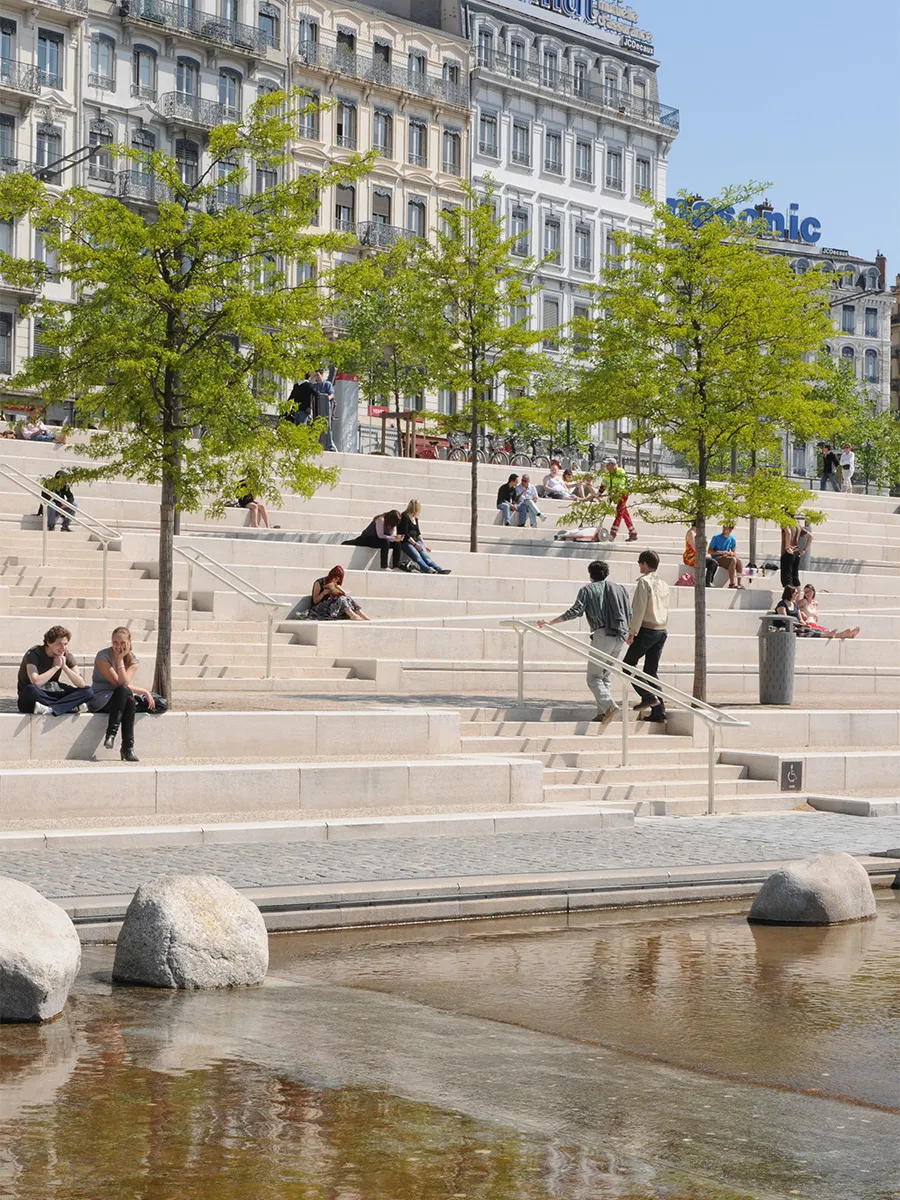
Standard trees, as children draw them, with a perfectly straight trunk and a high, spreading crown, have long since ceased to dominate the tree landscape. They still line our streets and avenues, but elsewhere, and even in squares and shopping streets, they are having to make way for multi-stem trees. The same applies to parks and gardens. Understandably so: they are much more charming and appealing even without leaves, flowers or fruit. They also tie in better with the desire for more natural design and the sense of freedom that most people aspire to. At the same time, the limited space available above and below ground in private gardens and intimate courtyard spaces in towns and cities increasingly favours plants of more modest dimensions. Climate change adds yet another criterion to the equation.
The climate forces us to make choices
Green spaces, and especially trees that we want to live for a long time, now need to withstand heat and drought, as well as the occasional temporary excess of water when it rains. And all of this is happening more and more often. Forecasts from organisations including the Royal Meteorological Institute of Belgium and the Flemish Environment Agency warn of increasing numbers of hot days, even one extra heatwave every two years, and more days without rain. By 2100, there are expected to be 236 such days, compared with around 175 now. However, the amount of precipitation we, and therefore our green spaces, receive will remain more or less unchanged. This means that at times there may be more water than the surrounding area can handle, including water that cannot infiltrate into the soil.
In cities and urbanised areas, the urban heat island effect will also become increasingly pronounced. The abundance of hard materials on both the ground and building façades pushes temperatures even higher and forces plants to transpire moisture at an extreme rate, bringing them close to the limit of how much water they can absorb from the soil.
The drawbacks of an easy choice
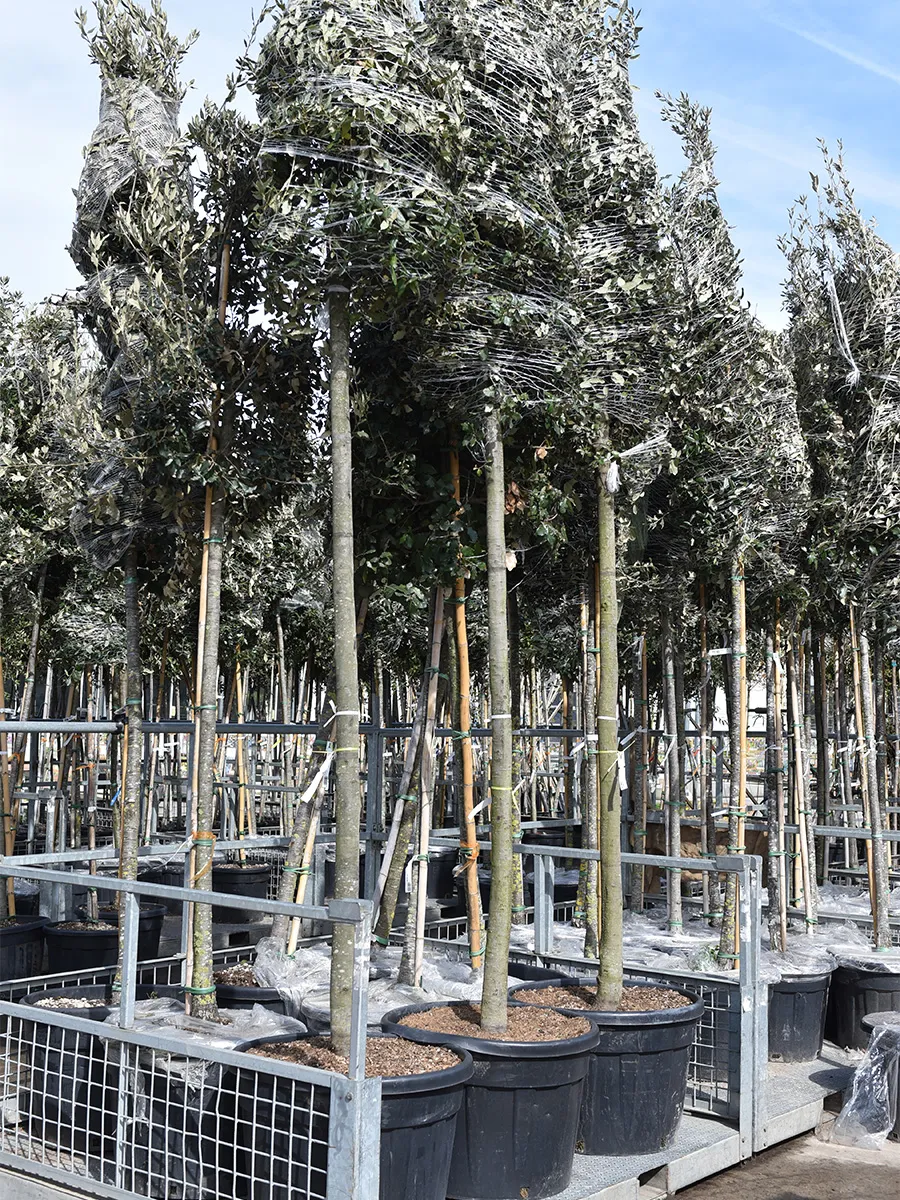
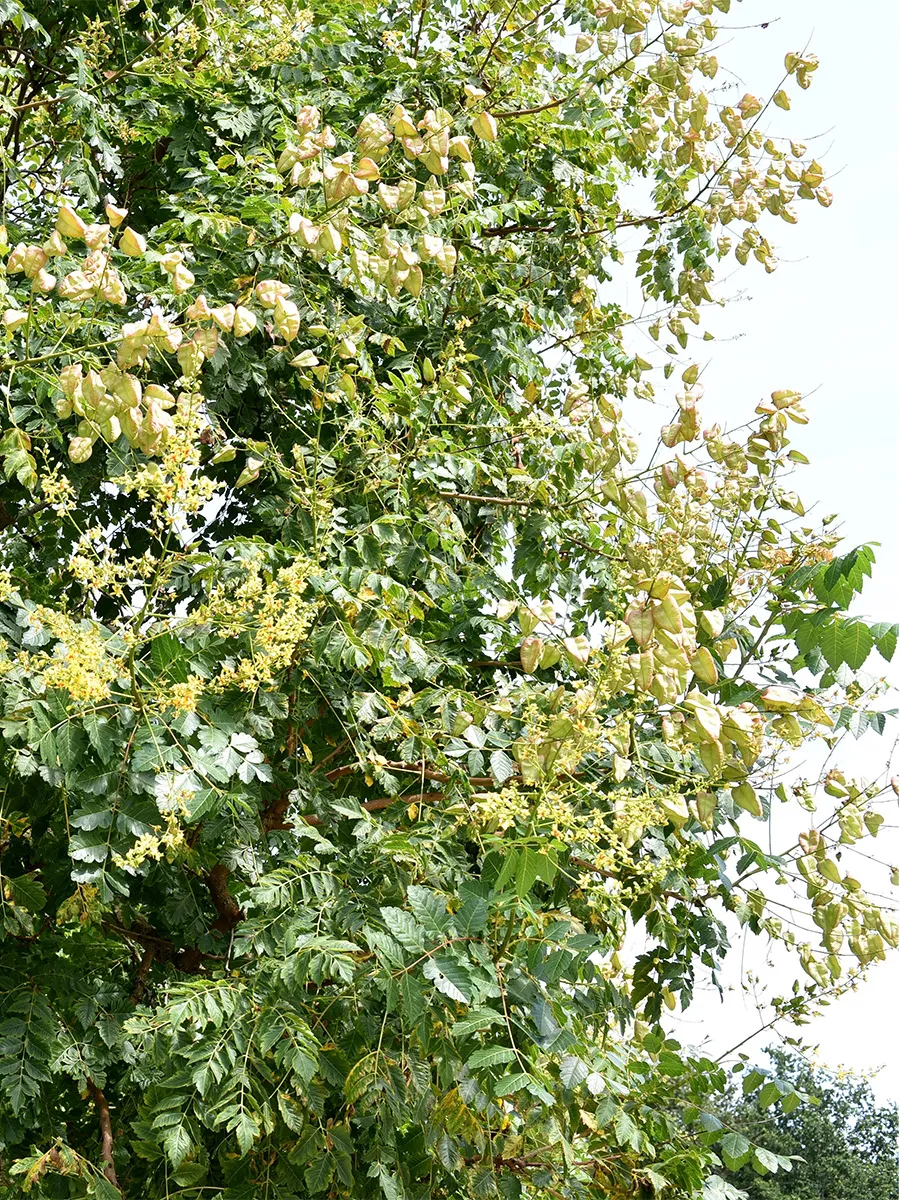
Changing the range of trees seems, for the time being at least, to be a solution. And we are doing just that, in earnest. Take a look at the plants you yourself are planting, increasingly often, and at the range of species nurseries are putting forward as ‘climate trees’. Koelreuteria paniculata (golden-rain tree), holm oak (Quercus ilex), Persian ironwood (Parrotia persica) and serviceberry (Amelanchier lamarckii) are among the most popular.
However, relying on this small group of plants carries risks. Nature may not allow us to indulge these preferences. Just think of what happened, and is happening, with yew and box, to name but two. The widespread use of yew was brought to a halt when the vine weevil ‘blew in’ from south-eastern Europe, particularly the Balkans, while the dreaded enemy of box, the box tree moth, began to feel at home not only in Japan, but also in Europe.
Thoroughly researched
Diversity can help us counter this problem, but the question is which tree species and which greenery to choose. We now know that native greenery is struggling. But what if temperatures continue to rise? Holm oak and other southern species will also struggle, according to Vito Leyssens. He bases this on his own research and the thesis he published after completing his bioengineering degree at KULeuven in 2021: ‘It’s in the air, searching for climate-resilient tree species for urban Flanders’.
In his thesis, he examined the impact of warming scenarios of 1.5 and 3° Celsius, with projections for 2050 and 2100, covering 150 tree species that already form stable, viable populations in Europe and had been put forward as ‘climate trees’ mainly by growers and local authorities. He mapped the limits within which each species forms a stable, viable population against projections of Europe’s future climate, with more detailed maps for Flanders. The logical result is that the climate suitability of most species is shifting northwards, but that shift is continuing and will not stop where it is today. “The tree species of southern European origin currently described as climate-resilient will also struggle here by 2100 under 3° of warming. By then, their climate suitability zones will have shifted towards Ireland and Scotland.”
New choices
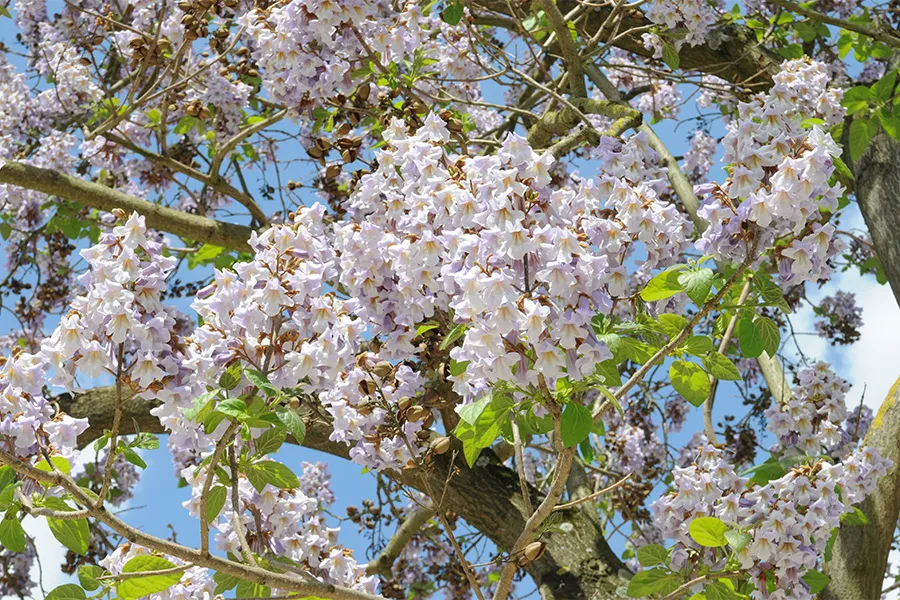
Of the 150 tree species studied by Leyssens, only 16 have future prospects in Flanders. Just five naturally have a traditional tree form: empress tree (Paulownia tomentosa), swamp cypress (Taxodium distichum), Turkey oak (Quercus cerris), paper mulberry (Broussonetia papyrifera) and manna ash (Fraxinus ornus). The other eleven are mainly multi-stem trees, including Cornelian cherry (Cornus mas), smoke bush (Cotinus coggygria), fig (Ficus carica) and holm oak (Quercus ilex). None of the species on this list is considered native. They will have an extremely difficult time.
The small-leaved lime can attest to that, as it was one of the 150 tree species studied. “Even if the temperature rise is limited to the 1.5° we have already more or less reached, its climatic comfort zone will have shifted to Stockholm by 2100. If temperatures rise by 3° by then, it will disappear from the European map altogether,” warns Leyssens. The small-leaved lime therefore has barely any future prospects, at least if you are planting it for the long term.
Nuance is allowed, and necessary
It is fair to ask whether things will really move that quickly. The answer is nuanced.
In rural areas and places characterised by abundant greenery, as well as in forests, larger parks and even groups of green spaces, there will always be a microclimate that has a positive effect on these figures. Native trees and species from the current general range can therefore still be planted there with confidence. In cities, the approach will need adjusting. However, we cannot simply focus entirely on trees expected to thrive in 2100. “The European nettle tree (Celtis australis) is an ideal species under the scenario of 3° C of warming by 2100, but the next thirty years are not expected to be favourable for it.”
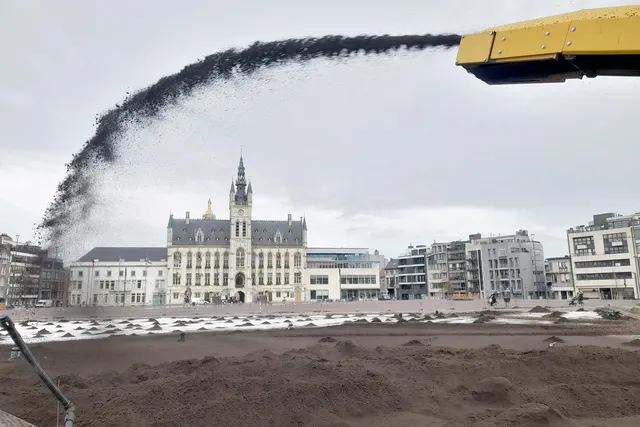
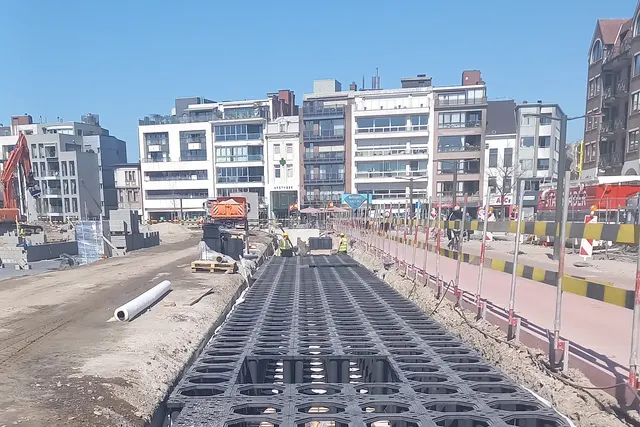
So, whether we like it or not, the answer is to focus on diversity, perhaps combined with systems that are still on the fringes, such as new and improved substrate mixes, irrigation systems and tree pits. Above all, remember to do your part to keep global warming under control, in other words, to slow it down. Planting trees, lots of trees, and giving them the best possible chance of survival is one way to do this. And in that respect, you are already doing everything you can.
Anyone wishing to learn more about Vito Leyssens’ study or submit additional suggestions can contact him at his work address at VVOG (www.vvog.info) and/or ([email protected])
Question about this story? Ask your question
Keep following this
Get an email when a new story is published. No account needed.
- SubjectPublic green spaces